 Blaine Siding
 Building New in Birch Bay Means Getting the Window Install Right the First Time
New-construction windows are installed before the siding goes on, using a nailing flange that gets integrated into the wall's water-resistive barrier as the house is built. That's different from a replacement window, which gets fitted into an existing opening after the fact. On a new build, there's no do-over once the siding and trim are closed up around a bad install — so the flashing, the fastening, and the sealant all have to be right the first time.
Birch Bay sits right on the water, a short drive from Blaine, and that exposed shoreline setting means new construction here has to account for weather that inland Whatcom County builds don't see as often. We work new-construction window installs on homes in this area regularly, and the details that matter most are almost always the ones nobody sees once the trim is up.
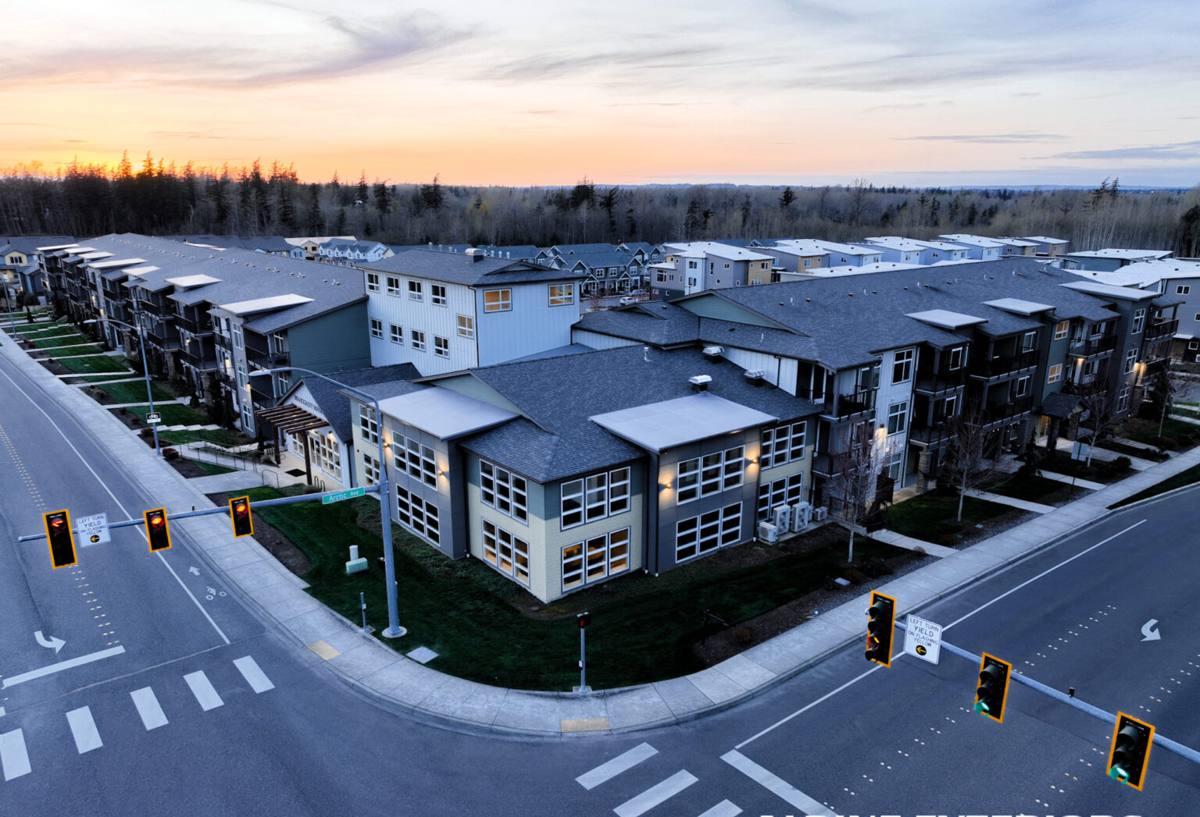
What Birch Bay's Climate Puts Windows Through
Salt Air and Corrosion
Homes near the water pick up airborne salt that settles on hardware, fasteners, and frame components over time. Cheap or mismatched fasteners corrode faster in this environment, and corrosion around a window opening doesn't stay contained — it can compromise the seal long before the glass or frame itself shows any wear.
Driving, Wind-Driven Rain
Storms coming off the water don't just drop rain straight down — they push it sideways into wall assemblies. A window flashing detail that would be fine in a sheltered inland lot can fail on a more exposed Birch Bay site if the water isn't given a clear path down and out, rather than a path in.
A Long Moss and Moisture Season
Whatcom County's wet season runs long, and that means extended stretches where wall assemblies stay damp rather than drying out between rain events. Moss and mildew take hold anywhere moisture lingers, including around window trim and sills that don't shed water cleanly. An opening that traps moisture instead of draining it is a slow, invisible problem until it isn't.
The New-Construction Window Opening: What a Correct Install Actually Involves
A correct new-construction window install is a system, not a single step. Getting one piece right and rushing the rest still leaves you exposed.
- Rough opening checked for square, level, and correct dimensions before the window ever goes in
- Sill pan installed to catch and direct any water that gets past the window back outside, not into the wall cavity
- Flashing tape applied in the correct shingle-style sequence — sill first, then jambs, then head — so water always drains over the layer below it, never under
- Window set, shimmed, and fastened per the manufacturer's specified pattern, not just "close enough"
- Sealants and tapes chosen to be compatible with both the window frame material and the house wrap — mismatched products can fail to bond or degrade each other over time
- Head flashing or drip cap integrated above the window so water is directed around the opening, not down the face of it
Skip or shortcut any one of these and you've built a leak path into the wall — one that may not show up as a visible problem for a year or more, by which point it's no longer a window issue but a framing and siding issue.
Choosing a Frame Material for a Birch Bay Build
Frame material is a real decision on a coastal build, not just a style choice. Here's how the common options stack up for a home in this kind of exposure:
| Frame Material | Coastal/Salt Air Behavior | Maintenance | Typical Cost Position |
|---|---|---|---|
| Vinyl | Does not corrode or rust; performs well near salt air | Low — occasional cleaning | Most affordable |
| Fiberglass | Very stable in temperature swings and moisture; strong long-term coastal performer | Low | Mid to upper range |
| Wood or Wood-Clad | Warm appearance, but exposed wood is vulnerable to moisture and needs a well-maintained exterior cladding or finish | Higher — finish upkeep matters more near the water | Upper range |
| Aluminum | Can corrode without a quality finish; also conducts heat and cold more readily | Moderate to high | Varies |
We don't push one material on every job — the right call depends on your budget, your home's design, and how exposed your specific lot is. What we won't do is set an unclad wood frame in a fully exposed, salt-air location and call it a long-term solution without being upfront that the finish will need real attention over the years to hold up.
Glass and Performance Packages Worth Considering Near the Water
For new builds in this area, the glass package matters almost as much as the frame. A few things worth discussing before your windows are ordered:
- Low-E coatings help manage heat loss during our cooler, wetter months and reduce interior condensation risk
- Argon or krypton gas fills between panes improve insulation performance, which matters when a home sits exposed to steady wind off the water
- Condensation resistance ratings are worth asking about specifically — a marine climate with big daily temperature and humidity swings is exactly where a weak glass package shows condensation problems first
- Impact or higher wind-load ratings may be worth pricing out on more exposed elevations, even where not strictly required by code
None of this needs to be complicated, but it's worth spending five minutes on before glass is ordered — a wrong call here isn't cheap to fix after the fact.
Our Process on New-Construction Projects
Whether we're working directly with a homeowner or coordinating with a builder or general contractor, our process stays consistent:
- Review the rough openings against the window schedule and manufacturer specs before installation day
- Confirm the house wrap and water-resistive barrier are properly lapped and ready to integrate with window flashing
- Install sill pans and flashing tape in the correct drainage sequence
- Set each window plumb, level, and square, shimming and fastening to spec
- Apply head flashing and seal per the compatible sealant system for the materials in use
- Insulate the gap between frame and rough opening correctly — not overpacked, not left with gaps
- Coordinate trim and exterior finish work so the water management details stay protected once siding closes in around them
- Final walkthrough and check of every opening before we consider the job done
On a new build, we're one piece of a larger construction timeline, so we also make a point of communicating clearly with the builder or GC about sequencing — window installs that get rushed to keep a schedule moving are where problems start.
Why Hiring a Crew That Already Works Birch Bay Matters
Birch Bay isn't uniform — some lots sit right at the water's edge with full exposure to wind and salt spray, while others a few streets back are more sheltered. A crew that's worked here knows to treat those differently rather than applying one generic install method to every lot in Whatcom County. That local familiarity also extends to working alongside builders and understanding what Blaine-area inspectors and permitting expect to see on a new-construction job, which keeps the project moving instead of stalling on avoidable corrections.
It also means we're not learning on your project. The flashing sequence, sealant compatibility, and material choices that hold up against driving rain and salt air here are things we've already worked through on homes like yours, not theory we're applying for the first time.
Mistakes We See on New Builds Near the Water
A few issues come up often enough on new construction near the coast that they're worth flagging directly:
- Flashing tape applied out of sequence, so water gets directed into the wall instead of away from it
- Sealant used at the exterior that isn't compatible with the window frame material or house wrap
- Windows fastened without following the manufacturer's specified pattern, weakening wind and water resistance
- No sill pan, leaving the rough opening with no backup drainage path if any water gets past the primary seal
- Trim installed tight against the frame in a way that traps moisture instead of allowing it to shed
Any one of these can look completely fine on installation day and still cause problems years down the road — which is exactly why the install details matter more than they might seem to at the time.
Ready to Talk Through Your Birch Bay Project?
If you're building new in Birch Bay or working with a builder who needs a window crew that understands this stretch of coastline, we're happy to walk through your plans and give you a straightforward, no-pressure estimate. Use the form below to get started.