 Blaine Siding
 Why Color Choice Is a Bigger Decision in Blaine Than It Looks
Picking a siding color feels like the fun part of a project, right up until you realize how much your local climate is going to test that decision. Blaine sits on the water at the top of Whatcom County, which means every color choice on your house is going to deal with salt-laden air off the Strait of Georgia, long stretches of driving rain coming in off the water, and a moss season that can run most of the year on north-facing walls and anything shaded by fir and cedar trees. A color that looks great in a showroom sample or on a house in Bellingham's drier pockets can behave differently a few blocks from the water in Blaine. This guide walks through how James Hardie's factory-finished ColorPlus system works, what the real color options look like, and how to think about color selection specifically for this stretch of coastline.
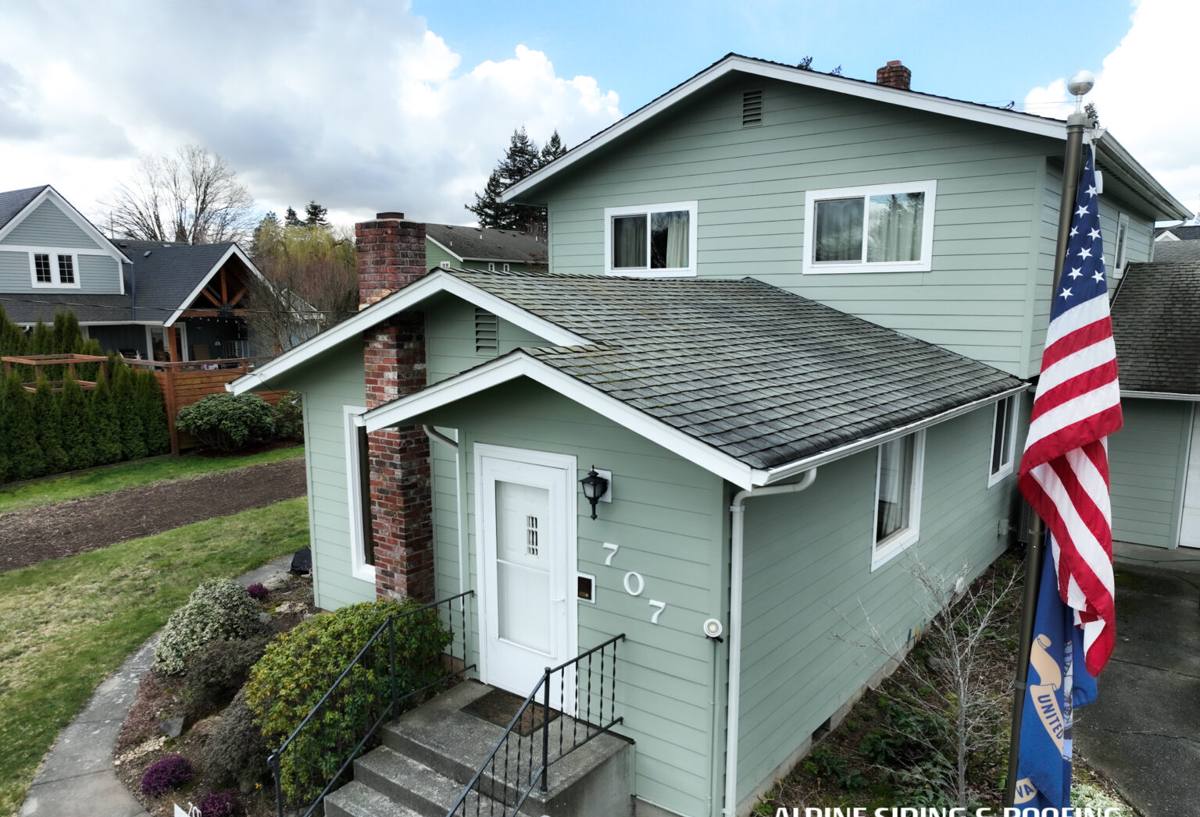
ColorPlus Technology: What Makes It Different From Painted Siding
The single biggest reason we standardized on James Hardie is the ColorPlus finish itself, not just the fiber cement substrate underneath it. Field-painted siding — whether it's primed spruce, cedar, or a fiber cement product installed unfinished — gets its color and topcoat applied on site, at the mercy of weather, humidity, and whoever is holding the sprayer that day. ColorPlus colors are baked on in a controlled factory environment, in multiple coats, before the siding ever reaches Blaine. That matters in a climate where you rarely get more than a few dry, low-humidity days in a row to properly cure a field-applied paint job.
The practical result is a finish that resists fading, chipping, and cracking far better than a typical site-applied paint job, and one that comes backed by its own dedicated finish warranty separate from the substrate warranty. For a house exposed to salt spray and near-constant moisture, that consistency is worth more than it sounds like on paper.
How ColorPlus Actually Holds Up Locally
Salt air doesn't just sit on a surface — over years it can dull and chalk a lesser finish, especially on darker colors that absorb more UV and heat. Moss and algae staining shows up fastest in shaded, damp corners of a house, which describes a lot of Whatcom County lots backed up against trees. ColorPlus finishes are formulated to resist UV fade and biological growth better than typical field paint, but no finish is maintenance-free — a soft wash once or twice a year still matters here, more than it would in a drier climate.
The James Hardie Color Palette, Explained
James Hardie organizes its ColorPlus colors into a few groupings, and understanding the structure helps make sense of the options instead of just staring at forty chips.
- Statement Collection — the standard, most widely available ColorPlus palette, ranging from classic whites and warm neutrals to deeper grays, greens, and blues. This is where most Blaine projects land.
- Dream Collection — a broader, often region-curated set of colors, sometimes with premium or bolder tones not stocked everywhere.
- Primed for Paint — Hardie panels and lap siding left primed rather than factory-finished, for homeowners who want a fully custom, field-applied color. This gives up the ColorPlus warranty and reintroduces the weather-dependent painting problem described above.
Within these collections, colors generally fall into a few practical families for coastal Pacific Northwest homes: warm and cool whites, greiges and true grays, deep charcoals and blacks, muted blues and blue-grays that read well against water and sky, and forest or sage greens that sit naturally against evergreens. Trim colors are typically chosen from a coordinated but separate palette so the field color, trim, and any accent color read as an intentional set rather than a mismatched pairing.
Matching Color to Blaine's Light, Landscape, and Architecture
Blaine's overcast, diffuse light for a large part of the year changes how colors read compared to a sunnier climate. Colors that look crisp and bright in direct California sun can look flat or slightly muddy under Pacific Northwest cloud cover, while mid-tone colors with some warmth or depth tend to hold their character better under gray skies.
| Color Family | How It Reads in Blaine's Light | Practical Consideration |
|---|---|---|
| Bright/pure white | Can look stark under flat gray skies; shows moss and salt film faster | Needs more frequent washing on shaded elevations |
| Warm neutrals / greige | Reads balanced in both overcast and sun; forgiving of grime buildup | Popular, versatile choice for resale-minded owners |
| Deep charcoal / near-black | Strong contrast against evergreens and water views; dramatic on modern builds | Absorbs more heat and UV; watch south/west elevations for wear over time |
| Blue-gray / slate blue | Complements the marine setting without looking themed | Tends to hide light dust and salt haze well |
| Muted green / sage | Blends into tree-heavy lots common around Whatcom County | Can visually merge with moss growth if maintenance lapses |
HZ5 Products and Why the Line Matters, Not Just the Color
James Hardie engineers its HZ (HardieZone) product lines for specific climate exposure, and this region falls into HZ5 territory — built for the wetter, cooler Pacific climate rather than the hot, arid Southwest HZ10 line. The color finish sits on top of a substrate engineered for exactly the rain and moisture cycling Blaine sees, which is part of why we don't treat color selection separately from product selection. A ColorPlus finish is only as good as the board it's baked onto, and HZ5-engineered lap siding, panels, and trim are built to manage moisture the way this climate demands.
Trim, Accents, and Multi-Color Schemes
Most homes in this area do best with a three-part approach: a primary field color for the bulk of the siding, a trim color (often a white or a color a few shades lighter or darker than the field) for windows, corners, and fascia, and sometimes a third accent color on a gable, shutters, or a front door area. Hardie's trim boards and soffit products come in coordinating ColorPlus colors so the whole system is factory-matched rather than guessed at with field-mixed paint.
A Few Practical Notes on Multi-Color Schemes
Board-and-batten or shake-style accent panels are a common way to add texture without overcomplicating the color palette — same color, different profile, rather than introducing a fourth color. On homes close to the water or with heavy tree cover, we generally steer people away from very high-contrast schemes with multiple bold colors, since the maintenance and touch-up burden multiplies with every additional color and product line involved.
Maintenance and Warranty: What Color Choice Actually Protects
The ColorPlus finish warranty is separate from the 30-year, non-prorated substrate warranty James Hardie backs its siding with, and it's transferable to a subsequent homeowner within the warranty terms, which matters for resale in a market like Blaine's where waterfront and near-waterfront properties turn over. That said, warranty coverage isn't a substitute for basic care:
- Rinse siding with a garden hose or soft wash at least once or twice a year, more often on shaded or north-facing walls where moss and algae take hold fastest
- Avoid pressure washing directly at the siding — it can force water behind joints and caulking
- Keep gutters clean and downspouts directed away from siding to reduce constant water sheeting on one section
- Inspect caulking at trim joints and penetrations annually, since caulk failure — not the ColorPlus finish — is the most common source of moisture problems
- Trim back vegetation and tree cover that keeps siding shaded and damp longer than the rest of the house
A Practical Checklist for Choosing Your Color
- View physical color samples outdoors in Blaine's actual light, not just under indoor lighting or on a screen
- Look at the sample at different times of day, including overcast conditions, since that's the majority of the year here
- Hold the sample against your roof color, stonework, and any masonry that isn't changing
- Consider how close the home is to salt spray and how much shade/tree cover it gets, since that affects how visible dirt, salt film, and moss will be over time
- Decide on field, trim, and accent colors together as one coordinated plan rather than picking the field color first and improvising the rest
- Confirm which collection (Statement vs. Dream) your chosen color belongs to and whether it's a standard stocked color or a special order
Working With a Certified Installer
Color selection is the visible part of the decision, but the finish warranty and long-term performance depend just as much on correct installation — proper fastening, flashing, clearances, and caulking around every joint and penetration. An improperly installed board can void warranty coverage regardless of how good the ColorPlus finish itself is. That's a big part of why we install exclusively as a James Hardie-focused contractor rather than mixing in other siding products: it lets us stay deep in one system's installation specs rather than spreading attention across several product lines with different moisture behaviors and warranty requirements.
If you're weighing color options for a Blaine or greater Whatcom County home, we're happy to bring out physical ColorPlus samples, look at your home's exposure and shading, and talk through what's actually held up well on homes in this specific climate. Reach out for a free, no-pressure estimate and we'll walk the property with you.