 Blaine Siding
 Exteriors Built for Life on the Water in Semiahmoo
Semiahmoo sits out on its own spit of land between Semiahmoo Bay and Drayton Harbor, which means homes here deal with a different set of exterior conditions than a house a few miles inland in Blaine or Birch Bay. Wind comes off open water with almost nothing to slow it down, humidity stays high most of the year, and salt-laden air settles on every exterior surface — siding, trim, roofing, window frames, and deck boards alike. None of that is a reason to avoid building or owning here. It's a reason to be deliberate about what materials go on the outside of the house and how they're installed.
We work throughout Whatcom County, and Semiahmoo is one of the areas where the difference between a durable exterior and a high-maintenance one shows up fastest. A siding job that would hold up fine twenty miles inland can start showing problems within a few years out here if the wrong product or the wrong installation details were used.
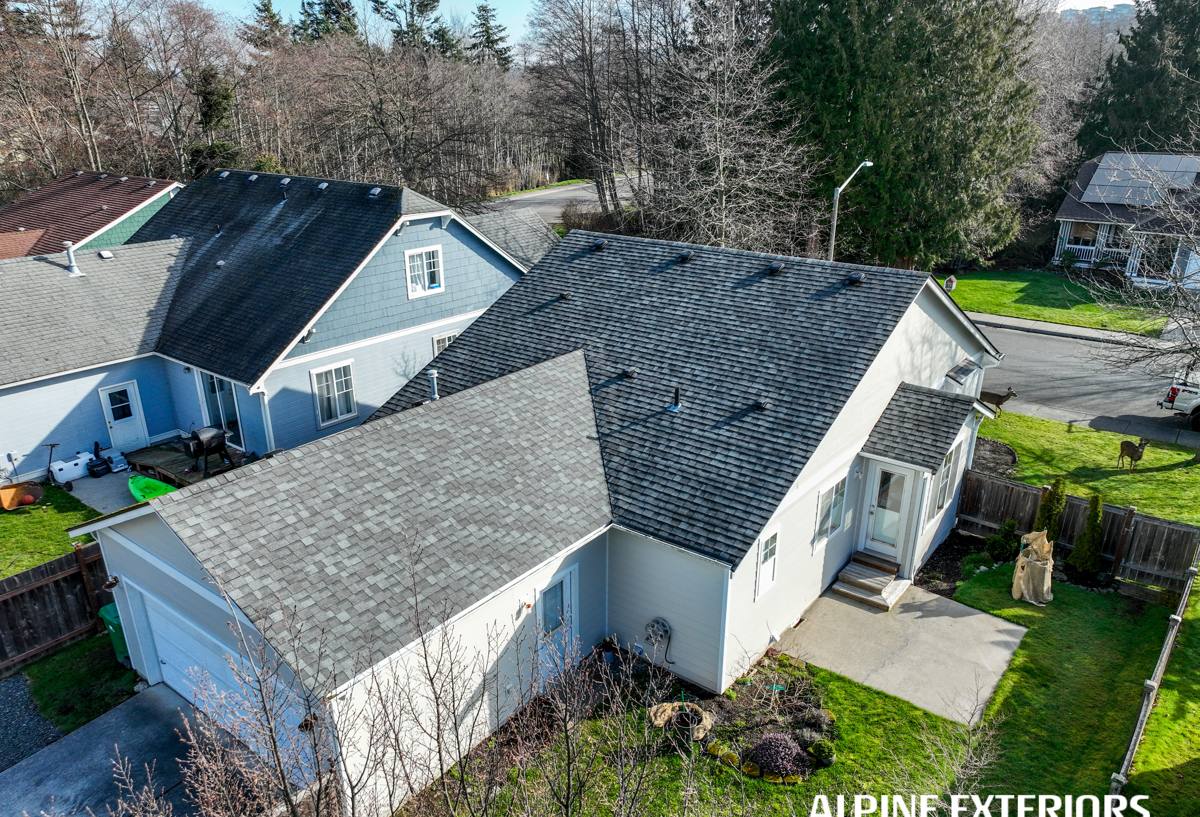
What Salt Air Actually Does to a Home's Exterior
Corrosion and Fastener Failure
Salt air accelerates corrosion on anything metal — nail heads, flashing, hinges, light fixtures, even some window hardware. On a siding job, that means fastener choice and flashing material matter more here than in most of the county. Hardware that would be perfectly adequate a few miles inland can start rusting and staining the siding face within a handful of seasons on a waterfront lot.
Finish Breakdown
Cheaper paint finishes and some engineered wood coatings break down faster when they're regularly exposed to salt spray and UV together. Chalking, fading, and clear-coat failure tend to show up earlier on homes closer to the water than on comparable homes set back from it.
Moisture That Doesn't Fully Dry Out
High ambient humidity near the bay means exterior surfaces spend more hours per day damp than they would inland. Materials that absorb moisture or trap it behind their surface are working against the climate from day one.
Moss, Algae, and the Long Wet Season
Whatcom County's wet season runs long, and shaded, north-facing, or tree-covered walls in and around Semiahmoo can stay damp for weeks at a stretch during fall and winter. That's exactly the environment moss and algae need to establish themselves on a roof or siding surface. Once moss gets a foothold, it holds moisture against the material underneath it, which is where real damage — rot in wood substrates, coating failure, trapped water at seams — actually starts.
Roof moss is the most visible version of this, but siding sees the same pressure, especially on the north and west elevations of a home that gets shade from mature trees or a neighboring structure. Gutter systems that are undersized or poorly maintained make it worse by keeping runoff running down the wall face longer than it should.
Wind-Driven Rain and Water Management
Open water exposure means rain in Semiahmoo doesn't just fall straight down — it gets pushed sideways into wall assemblies, window frames, and door openings during winter storms. This is a water-management problem as much as a material problem. Correct house-wrap, flashing, and window integration details matter as much as the siding product itself. We've seen good siding materials fail prematurely because flashing details behind them weren't right for a wind-exposed site, and we've seen the reverse: a well-installed system holding up cleanly for years on a fully exposed waterfront lot.
This is also why we don't treat siding as a standalone product decision. The whole exterior envelope — siding, trim, window flashing, and roof-to-wall transitions — has to work together, especially on a site with this much wind and rain exposure.
Why We Install James Hardie Fiber Cement — And Not the Alternatives
We install James Hardie fiber cement siding exclusively. We don't install vinyl, LP SmartSide, Cemplank, Allura, primed spruce, or cedar. That's a deliberate standard, not a limitation on what we're capable of installing, and in a marine environment like Semiahmoo the reasoning is especially direct.
Vinyl
Vinyl siding can perform fine in many settings, but it's a thin material that expands and contracts significantly with temperature swings, and its color is baked into the material itself rather than a factory-applied finish — meaning fading over time can't be touched up. In high-wind coastal exposure, vinyl also has lower impact resistance than fiber cement, and seams and panel edges are a common point of water intrusion if not detailed carefully.
Wood and Engineered Wood (LP SmartSide, primed spruce, cedar)
Wood-based siding products — whether solid cedar, primed spruce, or engineered wood like LP SmartSide — are organic materials at their core. That means they're inherently more vulnerable to moisture absorption, rot, and pest activity than a cement-based product, and in a climate with Semiahmoo's humidity and rainfall, that vulnerability gets tested constantly. These products can perform well with diligent maintenance, but "diligent maintenance" on a waterfront home means more frequent recaulking, repainting, and inspection than most homeowners want to sign up for long-term.
Cemplank and Allura
These are also fiber cement products, and fiber cement as a category is the right material family for this climate — non-combustible, dimensionally stable, and resistant to moisture damage. Where we draw the line is the specific manufacturer. We standardized on James Hardie because of its factory-applied ColorPlus finish (which resists fading and chipping better than field-applied paint), its HZ5 product engineering for wet, wind-exposed climates like ours, and a warranty structure we're comfortable standing behind on every job we install.
What James Hardie Gets Right for This Site
Fiber cement doesn't absorb water the way wood does, doesn't corrode, and holds paint and factory finish far longer than wood-based alternatives in high-humidity, salt-air conditions. It's also non-combustible, which matters given how dry Whatcom County summers have trended in recent years even in a generally wet region. Installed correctly — with the right fasteners, clearances, and flashing details for a coastal site — it's the material we trust to hold up on Semiahmoo's waterfront lots without demanding constant upkeep from the homeowner.
Roofing, Windows, and Decks: The Rest of the Envelope
Siding doesn't work in isolation, and on a site with this much wind and moisture exposure, the rest of the exterior has to be handled with the same standard.
Roofing
Roofs in Semiahmoo carry the same moss and wind-driven rain pressures as the walls below them, plus direct UV and salt exposure. Roof-to-wall flashing is one of the most common failure points we find on older homes near the water, and it's usually invisible until there's already interior damage.
Windows
Window flashing integration is one of the most important — and most commonly rushed — details on a coastal remodel. A window that's well-built but poorly flashed will leak in wind-driven rain regardless of how good the siding around it is.
Decks
Outdoor living space near the water takes a beating from UV, salt, and moisture cycling. Fastener corrosion and board movement are the two issues we see most often on waterfront decks that weren't built with marine-grade hardware from the start.
Siding Material Comparison for a Marine Climate
| Factor | James Hardie Fiber Cement | Vinyl | Wood / Engineered Wood |
|---|---|---|---|
| Moisture absorption | Very low | Not absorbent, but seams are a leak risk | High if coating fails |
| Salt air / corrosion resistance | High (material itself doesn't corrode) | Moderate — hardware and trim can corrode | Moderate; fasteners and coatings degrade faster |
| Finish durability | Factory ColorPlus finish, long fade resistance | Color molded through, fades and chalks over time | Field-applied paint/coating, needs reapplication |
| Fire resistance | Non-combustible | Combustible | Combustible |
| Typical maintenance | Periodic wash, occasional caulk check | Low, but limited repair options if damaged | Regular recoating/repainting, rot inspection |
Signs a Semiahmoo Home's Exterior Needs Attention
- Moss or dark streaking building up on north- or west-facing siding or roof planes
- Rust staining running down from nail heads or metal trim
- Paint or coating that's chalking, peeling, or fading unevenly, especially on wind-exposed walls
- Soft or spongy spots on wood trim, fascia, or deck boards
- Caulk that's cracked, shrunk, or pulling away around windows and doors
- Visible gaps or warping at siding seams and corner boards
- Water stains on interior ceilings or walls near roof-to-wall intersections
What Working With a Local Crew Means Here
A crew that's worked in and around Blaine and the Semiahmoo area understands that a job spec that works fine inland needs adjustments here — different fastener and flashing choices, more attention to wind exposure during installation, and an understanding of which elevations of a given lot take the worst of the weather. That local knowledge shows up in the details: how flashing is lapped, how much clearance is left at grade, how corners and butt joints are treated. Those are the details that decide whether an exterior holds up cleanly for decades or starts causing problems within a few years on a site this exposed.
If you're planning a siding project, or want a second opinion on a roof, window, or deck issue on a Semiahmoo home, we're happy to take a look and talk through what your home actually needs — no pressure, no obligation. Reach out for a free estimate using the form below.