 Blaine Siding
 What's Actually in a Siding Replacement Number
Ask five siding contractors in Whatcom County to bid the same house and you'll get five different numbers, sometimes by a wide margin. That's not because someone is padding the price or someone else is lowballing to win the job. A siding quote is really a bundle of separate line items — material, labor, tear-off, repair, water management, finish, and trim — and every one of those moves independently based on your specific house and site. Understanding what those pieces are lets you read a quote instead of just reacting to the bottom number.
This page walks through the factors that actually drive cost on a siding replacement in Blaine, so you can ask sharper questions and compare bids on an apples-to-apples basis instead of guessing why one number is higher than another.
House Size and Shape
Square Footage
The most obvious driver is simply how much wall area needs to be covered. Contractors price siding by the square foot of exterior wall, not the square footage of the house's floor plan, so a single-story rambler with a large footprint can sometimes cost less to side than a smaller two-story home with more wall area per square foot of living space.
Stories, Gables, and Cutouts
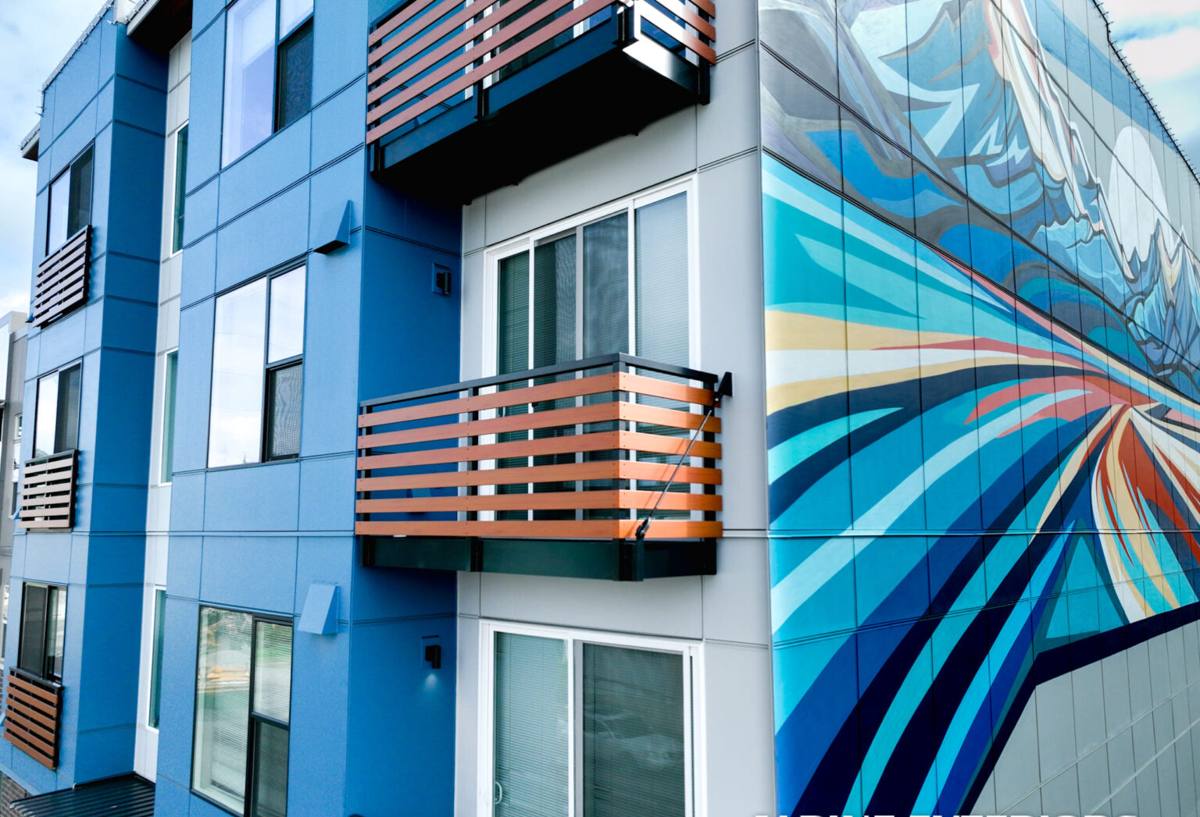
Complexity costs more than plain square footage. A steep gable roofline, multiple dormers, a wraparound porch, bump-outs, and lots of window and door trim all add labor hours even if the total wall area is modest. A simple rectangular two-story box is faster and cheaper to side than a house with the same square footage but a busy roofline and lots of angles. Second-story and steep-roof work also requires more scaffolding or staging, which adds cost independent of material.
What's Under the Old Siding
Tear-off and disposal of the old siding is its own line item, and what the crew finds once that siding comes off can change the scope of the job entirely. Sheathing that's soft from years of moisture intrusion, rotted framing around windows, or a house wrap that's failed and let water into the wall assembly all need to be addressed before new siding goes on — covering rot with new siding just hides the problem and lets it keep spreading. A contractor who won't commit to opening up and inspecting the wall before quoting a firm number is either guessing or planning to change the price mid-job. A contractor who tells you up front that some repair allowance may be needed, pending what's found at tear-off, is being honest about a genuine unknown.
Material Choice Drives the Line Item
The siding material itself is usually the single biggest swing factor in a bid, and it's worth understanding what you're actually paying for with each option.
Vinyl
Vinyl is the cheapest material cost per square foot, which is why it shows up so often in budget bids. It's lightweight and fast to install, but it's also a thin plastic product that can crack in cold snaps, fade in UV exposure over the years, and doesn't hold up well to wind-driven impact. In a coastal climate with driving rain and salt-laden air, vinyl's seams and J-channels are also more prone to trapping moisture behind the panel than a rigid material.
Engineered Wood (LP SmartSide)
Engineered wood siding is a wood-strand product with a resin binder, priced between vinyl and fiber cement. It installs quickly and takes paint well, but it's still fundamentally a wood-based product — it can swell, delaminate at cut edges, or take on moisture damage if caulking and flashing details aren't maintained over its life. We don't install it, not because it's a bad product on paper, but because the long-term maintenance burden in a wet marine climate doesn't match what we want to stand behind.
Fiber Cement
Fiber cement costs more than vinyl or engineered wood up front, both in material and in labor — it's heavier, requires different fastening and cutting tools, and a crew that isn't trained on it will move slower and make mistakes. James Hardie is the fiber cement product we install exclusively. It's non-combustible, dimensionally stable in wet-dry cycling, and available in climate-engineered HZ formulations built for exactly the kind of weather Whatcom County sees. The higher installed cost buys a product that isn't fighting the climate it's installed in.
Cedar
Real cedar siding has a premium material cost and the highest ongoing maintenance cost of any option — regular refinishing, vigilance about moisture and insect activity, and a shorter practical lifespan before boards need replacing. It looks good on day one; the cost shows up in year five and beyond.
The Water-Management System Blaine Homes Need
Siding is the visible layer, but the water-management system behind it is what actually keeps a house dry, and it's a cost factor most homeowners never see quoted separately because it's usually bundled into labor.
House Wrap and Flashing
Every window, door, and penetration needs to be properly flashed and integrated with the house wrap so water is directed out and down, not into the wall cavity. This detail work is slow, careful labor — it can't be rushed — and it's the single biggest factor in whether a siding job holds up over 20 years or starts leaking in five.
Rainscreen / Drainage Gap
A rainscreen — a small ventilated gap between the siding and the water-resistive barrier — lets any moisture that does get past the siding drain and dry out instead of sitting against the sheathing. It adds material and labor cost, but in a location like Blaine, sitting right on Semiahmoo Bay with salt air, driving rain off the Strait, and a moss season that keeps north-facing walls damp for months at a time, that drainage gap is doing real work. It's a detail worth asking every bidder about directly, because it's easy to skip and hard to see once the siding is up.
Finish: Factory Color vs Field-Painted
Some siding materials arrive from the factory with the color baked in — James Hardie's ColorPlus finish is applied and cured under controlled conditions before it ever reaches the job site. Other materials, including primed spruce, raw cedar, and some fiber cement, need to be painted on site after installation. Field painting adds a real cost — labor, paint, and weather-dependent scheduling — and the resulting finish typically won't hold color and resist fading, chalking, or peeling as long as a factory-applied finish. A factory finish costs more in the material price but usually less over the life of the siding, since it pushes the first repaint out much further, if it's ever needed at all within the warranty period.
Trim, Accessories, and Site Conditions
Beyond the field siding itself, a full quote includes corner boards, window and door trim, fascia and soffit work if it's part of scope, starter strips, and fasteners rated for the material and climate. Site conditions matter too: a house with tight side-yard clearance, landscaping that needs protecting, a detached garage or second structure, or limited driveway access for material staging and dumpsters can all add labor time that shows up in the final number.
Cost Factors at a Glance
| Factor | Why It Moves the Price | Typical Effect |
|---|---|---|
| Wall square footage | Base material and labor quantity | Larger, more direct cost driver |
| Roofline and wall complexity | More cutting, staging, and detail work | Raises labor cost independent of size |
| Tear-off and hidden repair | Rotted sheathing or framing found at demo | Can add cost once wall is opened |
| Material choice | Vinyl, engineered wood, fiber cement, and cedar all differ in material and install labor | Largest single swing factor |
| Water-management detailing | Flashing, house wrap integration, rainscreen | Adds labor cost, protects the investment |
| Finish type | Factory-applied vs field-painted | Factory finish costs more up front, less over time |
| Trim and accessories | Corner boards, soffit, fascia, starter strips | Adds up across a whole exterior |
| Site access | Staging room, driveway access, adjacent structures | Can add labor time |
What to Ask For in a Written Quote
A clear, comparable quote should spell out enough detail that you can tell what you're actually buying, not just what the total is. Before signing anything, ask for:
- The exact material and product line, by name — not just "fiber cement" or "engineered wood"
- Whether the finish is factory-applied or will be field-painted, and who's responsible for repainting later
- What house wrap, flashing, and rainscreen (if any) are included
- Whether tear-off, disposal, and a contingency for hidden sheathing or framing repair are included or billed separately
- What trim, soffit, and fascia work is in scope versus what's excluded
- The manufacturer's warranty terms and whether it's transferable if you sell the house
- A rough project timeline and how weather delays are handled
- Proof of contractor licensing and insurance, current and specific to the state
A contractor who can answer all of these clearly, in writing, before the job starts is giving you a real quote. One who can't, or won't, is giving you a placeholder number.
Why We Standardized on One Product
We only install James Hardie fiber cement siding, and part of the reason is that it removes a lot of the guesswork described above. There's no vinyl-versus-fiber-cement material decision to weigh, no field-paint schedule to plan around, and no engineered-wood moisture maintenance to think about down the road. What's left to quote is the labor, the water-management detailing, and the trim — the parts of the job that determine whether the siding actually performs in Blaine's salt air, driving rain, and long wet moss season, year after year.
If you'd like a clear, itemized look at what a siding replacement would actually cost on your house, we're happy to walk the exterior with you and put together a free, no-pressure estimate — just fill out the form below.