 Blaine Siding
 Roof Repair Built for Birch Point's Coastal Exposure
Birch Point sits right up against the water, and that location is exactly what makes roof repair here different from a job ten miles inland. Homes on this stretch of Whatcom County shoreline take on a combination most roofers never have to think about: constant salt-laden air, wind-driven rain that gets pushed sideways into laps and flashing that would stay dry elsewhere, and a moss season that runs long and heavy thanks to our marine climate. A roof repair that works fine in a drier, more sheltered neighborhood can fail early out here if it doesn't account for that exposure.
We're not talking about exotic materials or complicated engineering. We're talking about doing ordinary repair work with an understanding of how coastal conditions actually degrade a roof over time, and building the repair so it holds up to the next twenty years of that exposure, not just the next dry week.
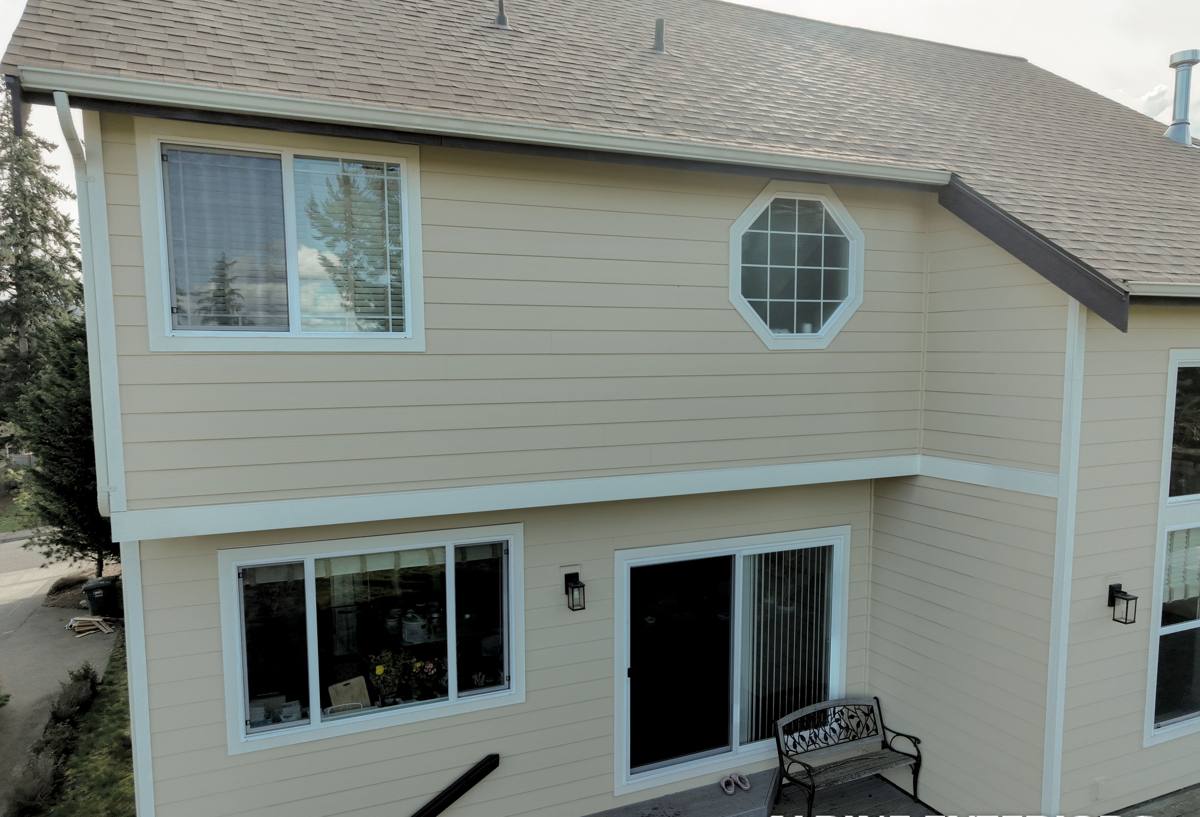
Signs Your Roof Needs Repair
Most roof problems near the water don't announce themselves with a dramatic leak on day one. They start small and get worse through repeated wetting and drying cycles. Here's what we tell Birch Point homeowners to watch for between inspections:
- Granule loss showing up in gutters or at downspout outlets, especially after a windy rain
- Dark streaking or a green-black tint on north-facing or shaded slopes — early moss and algae growth
- Curling, cupping, or lifted shingle edges, particularly on slopes that catch the prevailing wind
- Soft or discolored ceiling spots inside the home, even small ones that come and go with weather
- Rust streaks or soft spots around metal flashing at chimneys, vents, and roof-to-wall junctions
- Visible gaps or lifted seams where two roof planes meet
- Moss buildup thick enough to hold moisture against the roof surface after the rest of the roof has dried
When Repair Is the Right Call
If the roof structure and decking are sound and the damage is limited to a section — a valley, a chimney flashing, a wind-lifted patch of shingles — targeted repair is almost always the more honest recommendation. There's no reason to sell a full replacement when a correctly executed repair will hold.
When It's Time to Talk Replacement
Widespread granule loss across the whole roof, soft decking in multiple areas, or a roof that's already had several patch repairs in different spots are signs the roof is past the point where repair makes financial sense. We'll tell you straight if that's what we're looking at instead of stringing along a repair that won't last.
What Salt Air, Wind, and Rain Do to Roofing Materials
Coastal exposure doesn't damage every material the same way, which is why the right repair approach depends on what's already on the roof.
Asphalt Shingles
Salt-laden air accelerates the breakdown of the asphalt and granule bond over time, and wind off the water lifts shingle edges more aggressively than a sheltered roof ever experiences. Once an edge lifts, wind-driven rain gets underneath it, and that's how a small problem becomes a leak.
Metal Roofing and Flashing
Metal handles wind well, but fasteners, flashing, and any exposed steel components need coatings and hardware rated for coastal use. Standard fasteners can develop rust streaks and eventually loosen when they're exposed to salt air year-round. Flashing detail work — the seams around chimneys, skylights, and vent pipes — is where most metal roof failures actually start, not the field of the roof itself.
Underlayment and Decking
What's underneath the visible roofing matters just as much. Older or degraded underlayment gives moisture a path once the top layer is compromised, and repeated wetting of the decking underneath leads to soft spots that won't hold fasteners properly. A repair that only addresses the top layer without checking what's underneath is a repair that doesn't last.
Moss: The Slow Roof Killer in Whatcom County's Wet Season
Moss doesn't just look bad — it actively holds water against the roof surface long after the rest of the neighborhood has dried out. On a shaded, north-facing slope near the water, that extended damp period is exactly the environment moss needs to keep spreading, and exactly the environment that shortens the life of the shingles or decking underneath it.
Removing Moss the Right Way
Moss should be removed by gentle hand methods or low-pressure treatment, never by aggressive pressure washing, which strips granules and shortens the life of the roofing material faster than the moss itself would. We clear moss without damaging the surface underneath it, then treat the area to slow regrowth.
Preventing Regrowth
Zinc or copper strips near the ridge, kept clear of overhanging branches, and regular gutter clearing all reduce how fast moss comes back. None of these are one-time fixes — they're maintenance habits that matter more on a shaded, moisture-prone roof than on a roof that gets full sun most of the day.
What a Correct Roof Repair Actually Involves
A repair that's done right isn't just replacing the shingles or metal that are visibly damaged. It involves a few steps that are easy to skip and that determine whether the repair actually lasts.
- Full-area inspection, not just the reported spot. A leak inside the house often shows up several feet from where the water is actually entering the roof, so we trace the problem back to its real source before starting work.
- Checking the decking underneath. Any soft or water-damaged decking gets replaced before new roofing goes down — patching over compromised decking just hides the problem for a season or two.
- Matching materials appropriately. When possible we match existing shingle or metal profile and color so the repair blends in rather than standing out as an obvious patch.
- Rebuilding flashing details correctly. Chimney, vent, and valley flashing get proper step flashing, counter-flashing, and sealant — not just a bead of caulk over an old failure point.
- Underlayment continuity. New underlayment ties into the existing roof system correctly so water has a continuous path off the roof, not a gap at the repair boundary.
- Cleanup and debris removal. Old materials, nails, and moss debris are cleared from the roof and gutters before we consider the job done.
Roofing Material Considerations for Coastal Blaine Homes
Different roofing materials hold up differently under salt air, wind, and a long moss season. This isn't about one product being bad — it's about matching the material and the maintenance plan to the exposure a Birch Point roof actually faces.
| Material | Coastal Exposure Behavior | Maintenance Consideration |
|---|---|---|
| Asphalt shingle | Moderate wind resistance; granule loss accelerated by salt air over time | Periodic inspection for lifted edges and granule loss in gutters |
| Standing seam metal | Strong wind performance; flashing seams are the main vulnerability | Coastal-rated fasteners; annual flashing seam check |
| Cedar shake | Absorbs moisture readily; higher moss and rot risk in shaded, damp areas | Frequent moss treatment; more attentive upkeep than other materials |
| Composite/synthetic shingle | Resists moisture absorption well; consistent performance in wind | Lower maintenance burden, still needs moss and gutter checks |
What Affects the Cost of a Roof Repair
Every roof repair estimate depends on a handful of factors, and it helps to know what's actually driving the number before you're standing there looking at a quote.
| Factor | Why It Matters |
|---|---|
| Extent of decking damage | Rotted or soft decking has to be replaced before new roofing goes on, which adds material and labor |
| Roof pitch and access | Steeper slopes and difficult access near bluffs or tight lots take longer and require more safety setup |
| Material match | Matching an older or discontinued shingle or metal profile can take more sourcing time than a common product |
| Flashing complexity | Multiple chimneys, skylights, or roof valleys mean more detail work than a simple open-field repair |
| Moss and debris removal | Heavy moss buildup adds a cleaning step before the actual repair work can begin |
We give a written, itemized estimate before any work starts, so you know exactly what you're paying for and why — not a vague number based on square footage alone.
Our Birch Point Roof Repair Process
1. On-Site Assessment
We walk the roof and inspect from the ground and, where safe, up close — checking flashing, valleys, shaded slopes, and any interior signs of moisture you've noticed. We explain what we find in plain terms, including whether a repair is the right call or whether you should be thinking longer-term.
2. Written Estimate
You get a clear, itemized estimate covering materials, labor, and scope, with no pressure to decide on the spot.
3. Scheduling Around Coastal Weather
We plan repair work around dry windows, which takes more local judgment near Blaine than it does further inland, since marine weather off the Strait can shift a forecast quickly. We won't start a repair we can't finish before rain moves back in.
4. The Repair Itself
We do the work described in the estimate — decking replacement if needed, matched materials, correct flashing, tied-in underlayment — and keep the work area and gutters clear of debris throughout.
5. Final Walkthrough
We walk the completed repair with you, point out what was done, and make sure you're clear on any maintenance steps that will help it last, like moss treatment timing or gutter clearing frequency.
Why Local Experience on Birch Point Matters
A roofer who mostly works well inland and takes the occasional Birch Point call doesn't have the same instinct for how this specific stretch of Whatcom County shoreline behaves. Wind direction off the water, which slopes stay shaded and damp longest, how fast moss comes back on a given property, and how quickly weather can turn during a repair — that's knowledge that comes from working the area repeatedly, not from a single job.
It also matters for material choices. A crew that's seen how different roofing products actually hold up on Birch Point homes over several years can steer you toward what performs well here, rather than what performs well in a showroom or in a drier part of the state. That's the standard we hold ourselves to: recommending what actually lasts on this stretch of coastline, even when that means telling you a cheaper option won't hold up as well.
Simple Maintenance That Extends Your Roof's Life
Between repairs, a few habits make a real difference for coastal roofs, and none of them require climbing on the roof yourself:
- Keep gutters and downspouts clear so water has an unobstructed path off the roof
- Trim back overhanging branches to reduce shade and debris on moss-prone slopes
- Schedule a moss check before the wettest stretch of the year, not after moss is already thick
- Have flashing around chimneys and vents checked annually — it fails before the field of the roof usually does
- Address small leaks or soft spots as soon as you notice them rather than waiting for a bigger failure
If you're noticing any of the warning signs above, or it's simply been a while since your roof was looked at, we're happy to come take a look. The estimate is free, there's no pressure attached to it, and you'll get a straight answer about what your roof actually needs — just fill out the form below to get started.