 Blaine Siding
 Deck Building for Lynden Homes, Built for This Climate
Lynden sits in the farmland east of Blaine, close enough to the water and the Canadian border that it shares the same weather pattern as the rest of Whatcom County: long wet winters, a real moss season, and salt-tinged air that drifts in off the Salish Sea more often than most homeowners realize. A deck built here has to handle all of that, not just look good on a dry August afternoon. We build and repair decks for homeowners in and around Lynden, and most of what separates a deck that lasts twenty-plus years from one that's rotting at the ledger board in eight comes down to decisions made before the first board is ever installed.
This page covers what actually matters for a Lynden deck build: the climate factors specific to this area, how we approach material selection, what the structural work involves, and what our process looks like from estimate to finished project.
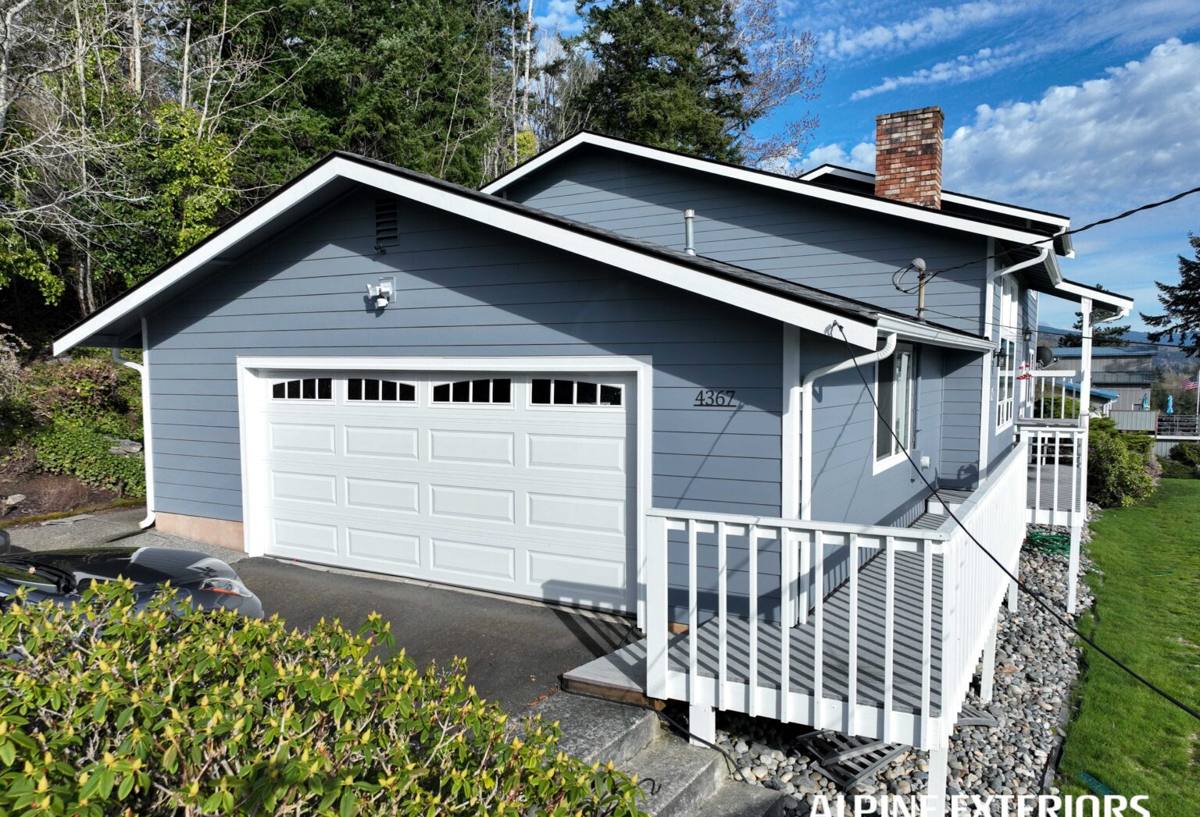
What This Climate Does to a Deck
Whatcom County doesn't get hurricanes or extreme heat, but it makes up for that with sustained, low-grade moisture exposure that never really lets up for months at a time. That's a different kind of stress than a deck in a drier climate deals with, and it shows up in a few predictable ways.
Driving rain and standing water
Rain here often comes sideways with wind behind it, which pushes water into joints, fastener holes, and any gap where flashing wasn't done correctly. Decks that look fine from the top can be rotting from the inside where water has been sitting against untreated end-grain or trapped behind ledger boards for years.
Moss and organic growth
The long wet season in this part of Washington means moss, algae, and mildew get a real head start on any horizontal wood surface, and a deck is about as horizontal as it gets. Moss holds moisture against the wood surface, which accelerates rot and makes boards slick and dangerous underfoot. Shaded decks, and decks near trees or fence lines, are hit hardest.
Salt air and metal fasteners
Lynden is inland compared to Blaine itself, but the marine air off the Strait of Georgia and Puget Sound still reaches this far, and it's corrosive to the wrong hardware. Cheap or mismatched fasteners corrode, stain the decking, and eventually lose their grip — which is a structural problem, not just a cosmetic one.
Freeze-thaw cycling
Whatcom County winters aren't brutally cold, but the freeze-thaw swings that do happen work water in and out of any crack or checked board repeatedly over a season. Over several winters, that cycle opens up small problems into big ones.
Choosing the Right Decking Material
There's no single "best" decking material for every Lynden property — it depends on budget, how much maintenance a homeowner actually wants to do, and how exposed the deck is to sun, shade, and moisture. We walk every client through the honest trade-offs rather than pushing whatever has the best margin.
| Material | Upfront Cost | Maintenance | How It Handles This Climate |
|---|---|---|---|
| Pressure-treated pine | Lowest | Needs re-sealing every 1-2 years | Good rot resistance when properly sealed, but end grain and cut edges are vulnerable if maintenance lapses |
| Cedar | Moderate | Needs staining/sealing regularly to hold color and resist moss | Naturally rot-resistant and handles moisture well, but softer surface shows wear and moss growth faster if untreated |
| Composite decking | Highest | Occasional washing, no staining or sealing | Excellent moisture and rot resistance; surface texture and drainage gaps matter for moss resistance between boards |
| Tropical hardwood (e.g. ipe) | High | Periodic oiling to maintain color, low rot maintenance | Very dense and naturally decay-resistant, but heavier and less forgiving to install correctly |
For Lynden clients who want the lowest long-term maintenance, we generally point toward composite. For those who like the look and feel of real wood and are willing to keep up with sealing on a schedule, cedar or a quality pressure-treated framing package with better-grade decking boards on top is a solid, more affordable option. We don't push one product on every job — it depends on how the deck will actually be used and maintained.
The Structural Work Nobody Sees
A deck's surface material gets all the attention, but the framing, flashing, and footings underneath are what determine whether it survives a Whatcom County winter without problems. This is where corners get cut on cheap builds, and it's the part homeowners often can't evaluate themselves once the decking is down.
Ledger board flashing
Where a deck attaches to the house is the single most common failure point in this climate. Proper flashing — installed correctly, in the right layered order with the house's existing water barrier — keeps rain from working its way behind the ledger board and into the home's rim joist. We treat this as non-negotiable on every attached deck we build.
Footings and frost depth
Footings need to be set below frost depth and sized appropriately for the soil conditions on the property. Whatcom County's clay-heavy soils in some areas hold water differently than sandier ground, which affects how footings should be poured and drained.
Fasteners and hardware
We use fasteners and structural connectors rated for exterior and coastal-adjacent exposure — not standard interior-grade hardware that will corrode and stain the deck within a few seasons.
Joist spacing and drainage
Proper joist spacing for the decking material chosen, along with gaps that allow water to drain through rather than pool on top, cuts down significantly on moss growth and slip hazards during the wet months.
Our Process, Start to Finish
Homeowners in Lynden generally go through the same straightforward process with us:
- On-site estimate. We look at the attachment point, ground conditions, sun/shade exposure, and talk through material options and rough budget ranges honestly, before any commitment.
- Design and permitting. We handle the design details and the permit application through the appropriate local jurisdiction, so the deck is built to code from the footings up.
- Demolition (if replacing an existing deck). Old decking and, if needed, old framing is removed and inspected for hidden rot before rebuilding on top of it.
- Framing and flashing. Footings, ledger attachment, and framing go in first, with flashing detail done correctly at every point water can intrude.
- Decking installation. Boards are installed with proper spacing and fastening for the material chosen.
- Final walkthrough. We go over the finished deck with the homeowner, including basic care instructions specific to the material installed.
Permits and Local Code
Most deck projects in and around Lynden require a permit through the local building jurisdiction, particularly for decks attached to the home or built above a certain height. Permit requirements exist for good reason here — proper footing depth and railing height aren't optional details, they're what keeps a deck safe through years of wet Whatcom County winters and the loads of holiday gatherings and daily use. We handle the permit process as part of the job rather than leaving homeowners to navigate it alone.
Keeping a Lynden Deck in Good Shape Year-Round
Whatever material a deck is built from, a little seasonal attention goes a long way in this climate. We give every client a rundown specific to their decking material, but the general checklist looks like this:
- Sweep debris and standing leaves off the deck regularly through fall, when they trap moisture against the boards
- Rinse or lightly scrub moss and algae buildup before it gets a foothold, especially on shaded sections
- Check and clear drainage gaps between boards so water isn't pooling
- Inspect ledger board flashing and the house attachment point annually for any sign of water staining
- Reseal or re-stain wood decking on the schedule appropriate to that species — don't wait until it visibly needs it
- Check fasteners and railing connections for looseness or corrosion each spring
- Trim back overhanging branches and vegetation that keep sections of the deck shaded and damp
Why Hire a Crew That Already Works in Lynden
Deck framing that works fine in a dry inland climate can fail early here if it's not detailed for sustained moisture, moss, and the salt-tinged air that reaches this far into Whatcom County. Crews who build decks primarily in other regions sometimes miss the flashing detail, fastener grade, or drainage spacing that actually matters for a structure that has to survive a Pacific Northwest winter every single year. We build and maintain decks throughout this area, so the material choices and structural details on this page aren't generic advice — they're what we specify by default because we've seen what happens when they're skipped.
If you're planning a new deck or need an honest look at an existing one, we're happy to come out, walk the site, and give you a straightforward estimate — no pressure, no upsell. Use the form below to get started.