 Blaine Siding
 Siding Replacement Built for the Nooksack River Valley
Nooksack sits inland from the coast, in the river valley that gives the town its name, with the foothills of the Cascades rising to the east. That setting brings its own version of Whatcom County's marine climate: long, wet stretches through fall and winter, humid air that lingers in low-lying areas near the river, and enough shade from surrounding trees and hills to keep siding damp longer than it would stay in a more open, sun-exposed spot. Add in the salt-tinged marine air that moves through the county from the Strait of Georgia and Puget Sound, and you get a combination that is genuinely hard on exterior siding over a 15- to 25-year span.
We're a Blaine-based crew that works this stretch of Whatcom County regularly, including Nooksack and the smaller communities around it. This page is about one job, done right, for this area: replacing siding that has reached the end of its useful life, with a product and installation approach built for what this climate actually does to a house.
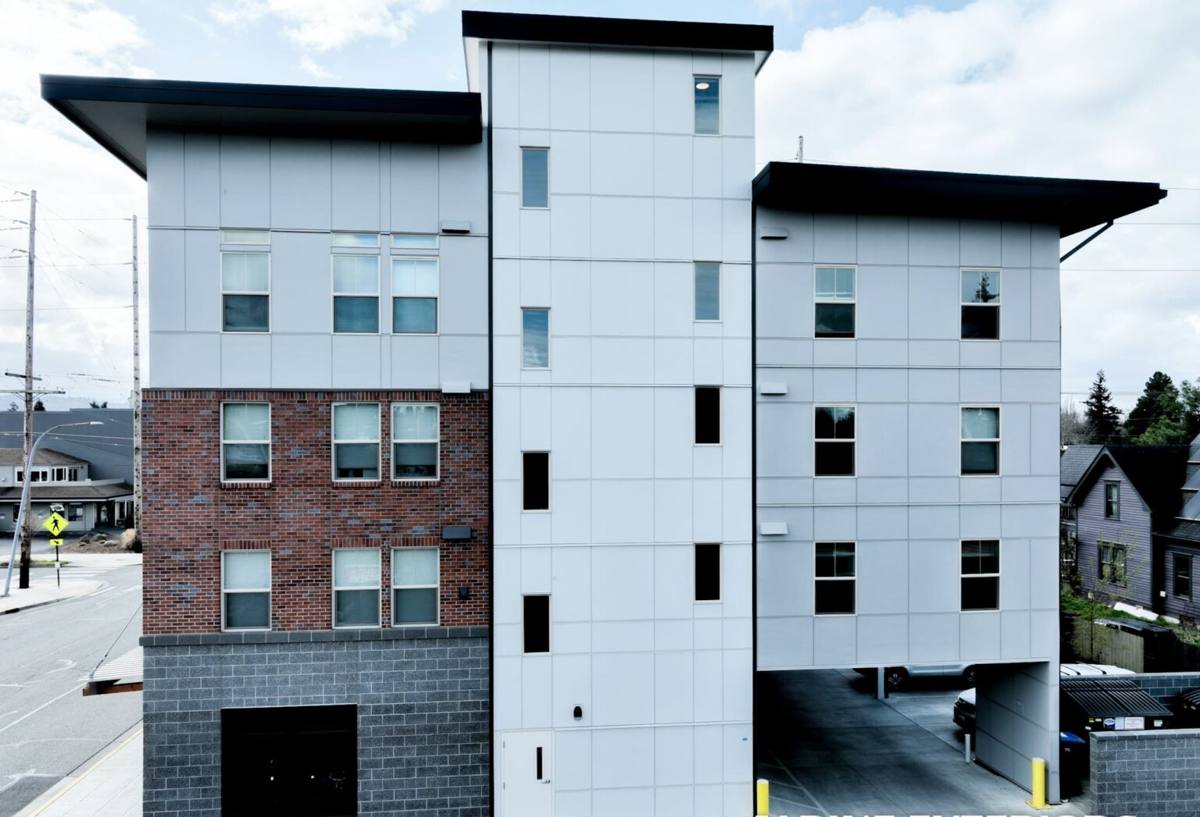
Why Homes in This Area Wear Out Siding Faster
Three things drive most of the siding failures we see on homes in and around Nooksack:
- Driving rain. Storms coming off the Strait push rain sideways, not straight down. That means water gets forced up under laps, around trim, and into any gap in the weather barrier that a calmer climate would never test.
- Extended damp periods. Between the river valley's humidity and the shade from mature trees common on rural and semi-rural lots, siding here often doesn't get a real chance to dry out between rain events for weeks at a time in the wetter months.
- A long moss season. Moss and algae take hold on any siding surface that stays damp and shaded, and once established they hold moisture directly against the material — accelerating whatever damage the substrate is already prone to.
Different siding materials respond to that combination very differently. Wood-based products (cedar, primed spruce, engineered wood like LP SmartSide) depend on paint film and edge sealing staying intact to keep water out; once that fails at a cut end, a fastener hole, or a damaged corner, the substrate itself can swell, delaminate, or rot from the inside. Vinyl doesn't rot, but it isn't a real moisture barrier either — it relies entirely on what's behind it, and it becomes brittle and prone to cracking in cold snaps. That's the backdrop for the material choice discussed further down.
Signs Your Nooksack Home's Siding Needs Replacing, Not Patching
Not every siding problem calls for a full replacement. But certain signs mean patching is just delaying a bigger job:
- Soft, spongy, or crumbling spots when you press on the siding, especially near the bottom courses and around windows
- Paint that keeps failing within a year or two of repainting, even on surfaces that were properly prepped
- Visible gaps, warping, or buckling panels, particularly on walls that face prevailing storms
- Persistent moss or dark streaking that comes back within a season of cleaning
- Soft trim boards or staining on interior walls near exterior corners, which often points to water already past the siding
- Siding that's original to a home built more than 20-25 years ago, especially wood-based products nearing the end of their realistic service life
If you're seeing two or more of these, it's worth having someone look at the wall assembly, not just the surface — because what's happening behind the siding usually matters more than what's happening on it.
What a Correct Siding Replacement Actually Involves
A siding replacement is not just swapping old boards for new ones. Done correctly, especially in a climate that pushes water sideways at your walls, it involves several layers working together:
Tear-off and inspection
Full removal of the old siding lets us actually see the sheathing underneath — which is the point. This is where we find rot, soft spots, or prior water damage that was invisible from outside. Any damaged sheathing gets replaced before anything new goes up; installing new siding over a compromised wall just hides the problem for a few more years.
Weather-resistive barrier
A correctly lapped, properly taped weather barrier is what actually keeps bulk water out of the wall assembly. In a driving-rain climate, the details matter more than the material itself: laps oriented so water sheds downward and outward, seams sealed, and every penetration — pipes, vents, hose bibs — properly flashed and integrated into the barrier rather than just caulked over.
Flashing at every transition
Windows, doors, deck ledgers, roof-to-wall intersections — these are where most siding failures actually start. Flashing has to be installed in the correct sequence (behind the barrier above, over it below) so water is always directed outward, never trapped.
Correct fastening and clearances
James Hardie siding has specific fastener spacing, penetration depth, and clearance requirements from grade, roof lines, and decks. These aren't optional details — get them wrong and you create the exact gaps that let driving rain in, or trap moisture against the bottom edge of the siding where moss and rot start first.
Why We Install Only James Hardie Fiber Cement
We don't install vinyl, LP SmartSide, Cemplank, Allura, primed spruce, or cedar. That's a deliberate standard, not a lack of options. James Hardie fiber cement is engineered specifically for climates like this one:
- It's non-combustible. Fiber cement doesn't feed a fire the way wood-based products can, which matters for both safety and, in many cases, insurance considerations.
- It doesn't rot. Because it's cement-based rather than wood-based, it isn't vulnerable to the moisture-driven decay that eventually catches up with cedar and engineered wood siding in wet climates.
- HZ5 climate engineering. Hardie manufactures siding in different HZ (HardieZone) formulations matched to regional moisture and freeze-thaw conditions. The HZ5 product used in the Pacific Northwest is built for exactly the wet, moderate climate Whatcom County has.
- ColorPlus factory finish. A baked-on finish applied in a controlled factory setting holds color and resists fading and chipping far better than field-applied paint, which is one of the first things to fail on wood siding here.
- A strong, transferable warranty. Hardie backs its products with a warranty that's meaningful and transfers to a new owner if you sell — worth something on a home in a market where buyers ask hard questions about exterior condition.
None of that means other products are without merit — cedar looks the way it does for a reason, and vinyl is inexpensive for a reason. But given what we see driving rain, humidity, and moss do to walls in this part of the county over time, fiber cement is the material we're willing to put our name behind.
Comparing Siding Materials in a Wet, Shaded Climate
| Material | Moisture Behavior | Maintenance Over Time | Typical Lifespan Here |
|---|---|---|---|
| James Hardie fiber cement | Does not rot or absorb water like wood; stable in freeze-thaw and driving rain | Occasional cleaning; factory finish resists fading and chipping | 30+ years with correct install |
| Cedar | Absorbs moisture at cuts and fastener holes; prone to swelling and rot if finish fails | Regular repainting/staining and sealing of exposed grain | 15-25 years, shorter with poor drying conditions |
| Primed spruce / engineered wood | Vulnerable at edges and seams; can swell or delaminate once moisture penetrates | Ongoing paint upkeep; edge sealing is critical and easy to miss | 15-20 years, climate-dependent |
| Vinyl | Doesn't rot but isn't a moisture barrier; relies entirely on what's behind it | Low, but becomes brittle and can crack in cold snaps | 20-30 years, variable quality |
The pattern is consistent: materials that depend on an intact paint film or factory coating to keep water out are the ones most exposed to Whatcom County's rain and moss cycle. Fiber cement removes that dependency at the substrate level.
Our Siding Replacement Process
- On-site assessment. We walk the home, check for soft spots and water entry points, and look at how each wall is exposed to weather and shade.
- Written estimate. A clear scope covering tear-off, sheathing repair allowances, weather barrier, flashing, and the specific James Hardie product and color being installed.
- Tear-off and sheathing check. Old siding comes off, sheathing is inspected and repaired as needed before anything new is installed.
- Weather barrier and flashing installation. Every window, door, and penetration gets flashed and integrated into the barrier before siding goes up.
- Hardie installation to manufacturer spec. Correct fastening, spacing, and clearances from grade and roof lines.
- Final walkthrough. We go over the finished job with you before calling it done.
What Drives the Cost of Siding Replacement
| Factor | Why It Matters |
|---|---|
| Home size and wall complexity | More corners, gables, and dormers mean more cutting, flashing, and labor time |
| Condition of the sheathing underneath | Rot or water damage found during tear-off adds repair scope you can't see from outside |
| Siding profile and accessories | Trim boards, soffit work, and specialty profiles add material and labor beyond flat panel |
| Access and site conditions | Tree cover, slope, or tight lot lines around a property can affect staging and scaffolding needs |
| Existing paint or coating removal | Some older siding requires extra care or disposal handling before tear-off |
We won't quote a number without seeing the home, but these are the factors that move a bid up or down, and we'll walk through each one that applies to your house during the estimate.
Why It Matters to Hire a Crew That Already Works This Area
Siding installation is the same trade everywhere in a general sense, but the details that actually keep water out change with the climate. A crew that mostly works drier inland regions may not think as carefully about lap orientation for driving rain, or about how much clearance to leave near shaded, damp ground where moss takes hold fastest. Working Blaine, Nooksack, and the rest of Whatcom County regularly means we're not guessing at how this climate behaves — we're building to it every week.
That local familiarity also shows up in smaller ways: knowing which wall orientations on a typical Nooksack lot take the worst of the weather, understanding how tree cover and river-valley humidity affect drying time, and having already worked through the kind of moisture and flashing issues that show up behind older siding in this part of the county.
If your Nooksack home's siding is showing its age, we're happy to take a look and give you a straightforward, no-pressure estimate for a James Hardie replacement built for this climate. There's no obligation — just an honest assessment of what your home needs.