 Blaine Siding
 Why Decks Near Peace Arch Wear Out Faster Than the Brochure Says
The Peace Arch area sits right at the edge of Blaine, a few minutes from Boundary Bay and the Strait of Georgia, and that location shapes everything about how a deck ages here. Moist marine air blows in off the water almost daily, driving rain comes in sideways more often than straight down, and shaded yards near mature trees and hedgerows stay damp long after a storm has passed. In Whatcom County, that combination adds up to a moss season that can run eight or nine months out of the year on decks that don't get much direct afternoon sun. None of that is a defect in your deck — it's just the climate this part of Blaine sits in. But it does mean a deck built to a generic national spec, with standard fasteners and no real attention to drainage, will show rot, corrosion, and slick moss growth years before the same deck would fail in a drier inland town.
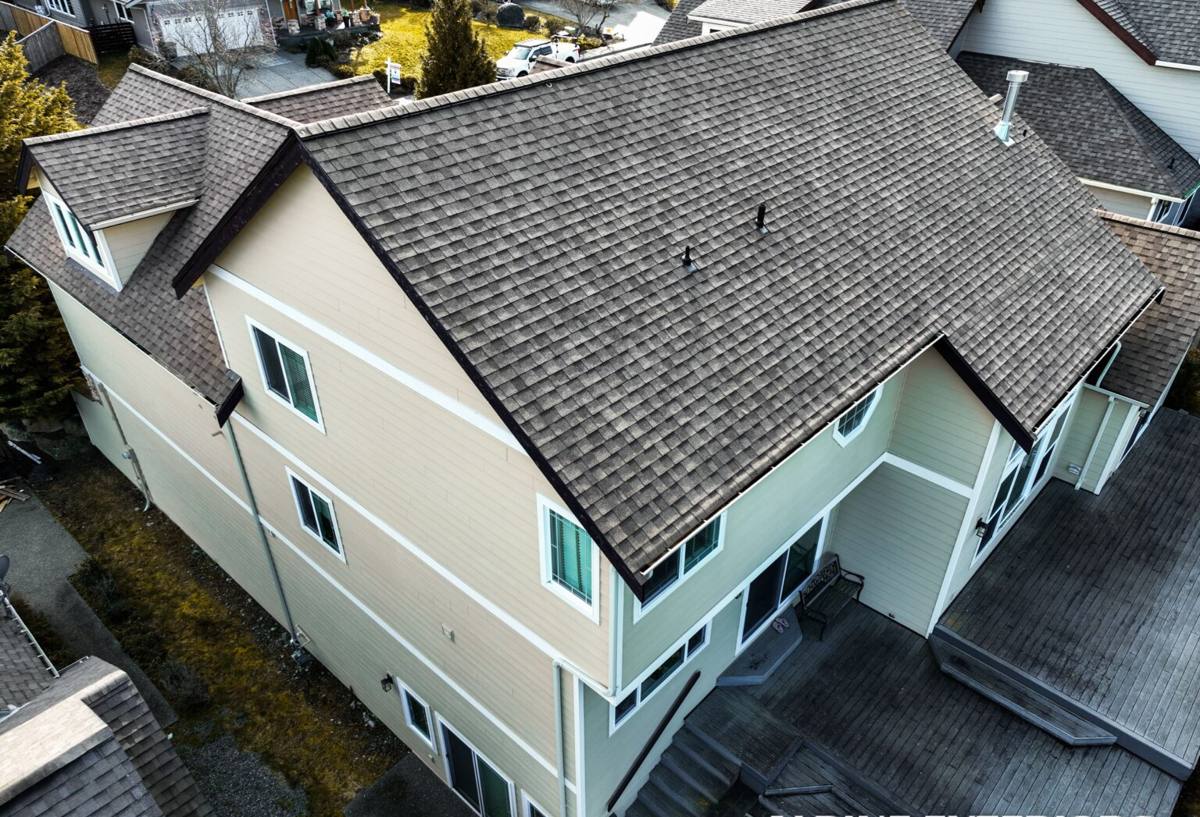
Signs Your Deck Needs Replacement, Not Just Repair
Not every tired-looking deck needs to come out. Plenty of decks in this neighborhood just need new boards, a cleaning, or a few swapped-out joists. Replacement becomes the honest answer when the problem is in the structure rather than the surface.
Structural red flags
- Soft or spongy spots underfoot, especially near the house or at stair landings
- Rot or discoloration at the ledger board where the deck attaches to the house
- Posts or footings that have shifted, heaved, or show visible rot at ground contact
- Rust streaking from fasteners, or screws that back out or snap when tested
- Persistent green or black moss growth that returns within weeks of cleaning
- Railings that flex or feel loose when leaned on
If it's one or two boards, that's a repair. If it's the framing, the ledger connection, or the footings, patching it just delays a bigger problem — and in a climate this wet, hidden rot tends to spread faster than homeowners expect.
What a Correct Deck Replacement Actually Involves
Footings and framing
Everything above ground is only as good as what's below it. We check footing depth and condition, confirm posts are rated for ground or moisture contact where they touch soil or concrete, and size joists and beams for the actual span and load rather than just matching what was there before. Older decks in this area were sometimes framed light by today's standards, and a replacement is the right time to correct that instead of building a new deck on an undersized frame.
The ledger board and flashing
This is the single most important detail on any deck attached to a house, and it's the one that fails most often in driving rain climates. The ledger board bolts to the house framing and carries a significant share of the deck's load, but it's also sitting exactly where wind-driven rain wants to collect. Correct flashing — installed in the right order relative to the house's siding and building paper, with a drip edge that actually sheds water away from the connection — is what keeps that joint from rotting from the inside out. We've seen decks in this area fail structurally at the ledger years before the visible decking looked bad, simply because the flashing was missing or installed wrong the first time.
Drainage under the deck
Standing water and trapped moisture under a low deck are what feed moss and mildew above it. Grading the ground below to shed water away from the house, keeping vegetation from crowding the underside, and leaving enough clearance for air movement all reduce how much moisture gets trapped against the framing between rainstorms.
Choosing Materials for Salt Air and a Long Moss Season
There's no single "best" decking material — the right choice depends on how much upkeep you want to do and how much you're willing to spend up front versus over time. Here's how the common options actually compare in this climate:
| Material | Upfront Cost | Moss & Moisture Resistance | Maintenance | Typical Lifespan Here |
|---|---|---|---|---|
| Pressure-treated wood | Lowest | Fair — needs sealing and regular cleaning | Annual cleaning, periodic re-stain/seal | 10–15 years with upkeep |
| Cedar | Moderate | Good natural resistance, but surface still needs care | Regular cleaning, re-oil or re-stain every 2–3 years | 15–20 years with upkeep |
| Capped composite | Highest | Best — sheds moisture, resists moss staining | Occasional wash, no sealing or staining | 25+ years |
In a yard that stays shaded and damp most of the year, capped composite earns its higher price back in avoided maintenance — moss has a much harder time getting a grip on a capped surface, and it won't take on water the way wood fiber does. For homeowners who prefer real wood, cedar handles this climate better than pressure-treated pine, but neither replaces the need for regular cleaning and resealing. We'll walk through the honest trade-offs for your specific yard rather than push one product across the board.
Fasteners and Hardware: The Detail Most Decks Get Wrong
Salt-laden marine air is hard on standard hardware. Coated deck screws and basic galvanized joist hangers that would hold up fine forty miles inland can start corroding within a few years this close to the water, and a rusted fastener loses grip strength long before it looks obviously bad. For replacements in this area we use fasteners and structural hardware rated for exterior and coastal exposure — stainless steel or heavy hot-dip galvanized, not the lighter electro-galvanized coating sometimes used on lower-cost builds. It costs more up front and it's not a visible upgrade, but it's the difference between hardware that's still sound in fifteen years and hardware that's already staining the decking with rust streaks in five.
Railings, Stairs, and Code Requirements
Deck railings, guard height, baluster spacing, and stair rise-and-run are all governed by the residential building code Whatcom County and the City of Blaine have adopted, and those requirements get enforced at inspection — not just suggested. Current code generally requires guardrails on any deck surface more than 30 inches above grade, with gaps small enough that a young child can't pass through, and consistent stair dimensions so steps don't become a trip hazard. Code details shift between adoption cycles, so we confirm current requirements with the local building department before finalizing a design rather than relying on what was standard on the last job.
Permits
Most full deck replacements in this area require a permit, particularly when the footprint, height, or structural framing changes from what's there now. We handle that conversation and the paperwork as part of the job — it's a normal step, not an extra hurdle, and it protects you if you ever sell the house and a buyer's inspector asks whether the deck was permitted.
Our Deck Replacement Process
- On-site assessment. We inspect the existing deck, ledger connection, framing, and footings to confirm whether replacement is actually the right call.
- Design and material selection. We walk through decking, railing, and fastener options with honest pros and cons for your yard's sun and moisture exposure.
- Permitting. We prepare and submit what's needed with the local building department before demolition starts.
- Removal and structural rebuild. Old decking, framing, and any compromised ledger connection come out; footings, posts, and framing get rebuilt to current span and load standards.
- Flashing and waterproofing. The ledger connection gets flashed correctly before a single deck board goes down — this step doesn't get skipped or shortcut.
- Decking, railings, and stairs. Installed to spec and to code, with fasteners and hardware chosen for this climate.
- Final walkthrough and inspection. We confirm the work passes any required inspection and walk you through basic care for your new deck.
Why a Crew That Already Works Peace Arch Matters
A deck built by someone unfamiliar with this stretch of coastline tends to look fine for the first year or two and then start showing the exact problems described above — rusting hardware, a rotting ledger, moss that won't quit. Working regularly in Blaine and around Peace Arch means we already know which fastener grades hold up against the salt air here, how the Whatcom County and City of Blaine permitting process actually runs, and how much drainage and airflow a deck needs to fight off the local moss season. That's not marketing — it's the accumulated result of building and repairing decks in this specific microclimate rather than treating it like anywhere else in the region.
Keeping Your New Deck Looking Right Year-Round
A correctly built deck still needs some seasonal attention in this climate. A little regular care goes a long way toward protecting the investment:
- Sweep leaves and debris off the deck surface regularly in fall — trapped organic matter is what feeds moss
- Rinse or lightly scrub composite decking once or twice a year to keep surface residue from building up
- Re-oil or re-stain wood decking on the schedule recommended for that species, don't wait until it looks gray
- Check under the deck once a year for standing water, blocked drainage, or vegetation crowding the framing
- Inspect railings and stair connections annually for looseness or corrosion at the fasteners
- Keep gutters and downspouts near the deck clear so runoff isn't dumping directly onto or under it
If you're weighing a repair against a full replacement, or you just want an honest read on what your current deck actually needs, we're happy to take a look. Fill out the form below for a free, no-pressure estimate on your Peace Arch deck replacement.