 Blaine Siding
 Grandview Homes Deal With a Different Kind of Window Wear
Grandview sits close to the water in Blaine, in the far northwest corner of Whatcom County, and windows out here don't age the way they do twenty miles inland. The combination of salt-carrying wind off the bay, long stretches of wind-driven rain, and a moss season that can run from fall through spring means window assemblies are under near-constant moisture and airborne salt exposure for most of the year. That's a different failure pattern than heat or UV damage — it shows up as corroded hardware, pitted aluminum, softened wood trim, and seals that fail years before they should.
A window that's technically "energy efficient" on paper but wasn't built or installed for this kind of exposure will underperform here. The right approach for Grandview isn't just picking a good U-factor rating off a spec sheet — it's matching the frame material, glass package, and installation details to what salt air, driving rain, and prolonged dampness actually do to a house over time.
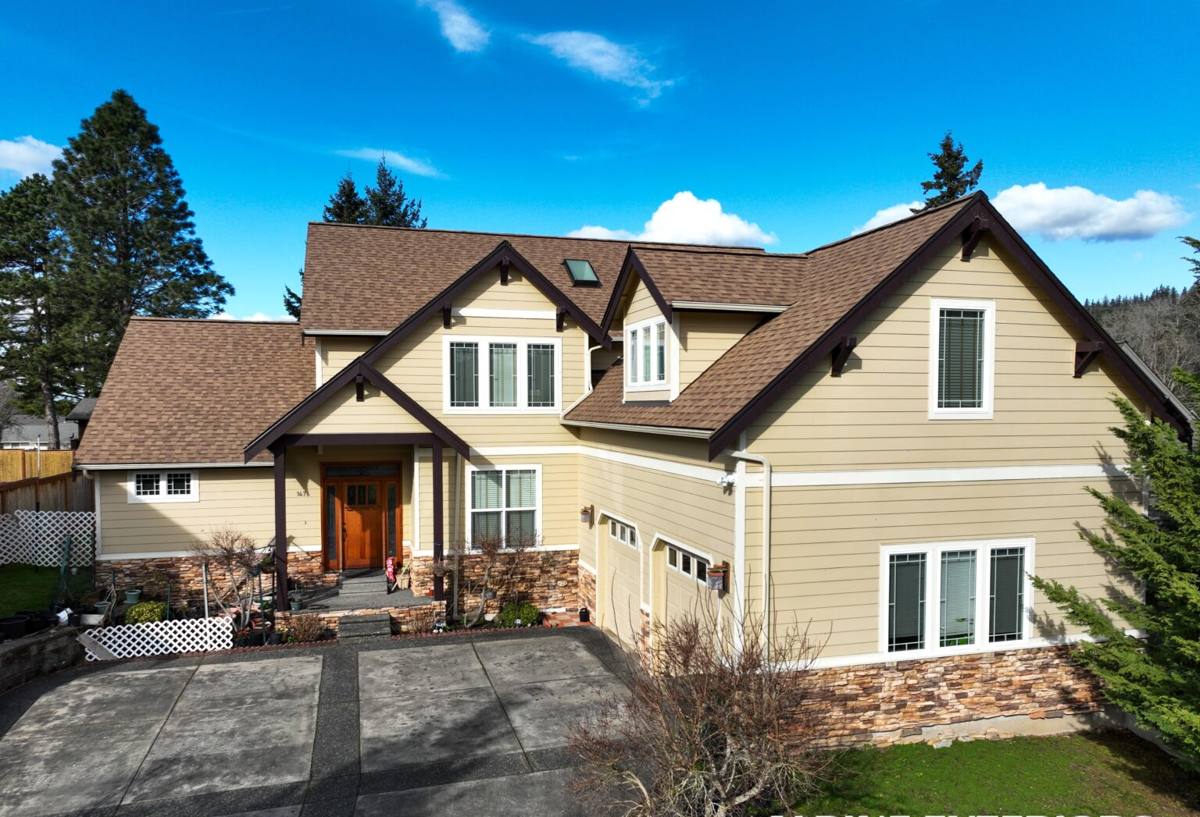
What Energy Efficiency Really Means in a Marine Climate
Most window marketing leans hard on solar heat gain — how well a window blocks summer sun. That matters far less here than it does in hot, sunny climates. Whatcom County's coastal zone is heating-dominated and damp most of the year, so the ratings that matter most for a Grandview home are different from what a national ad campaign emphasizes.
The Ratings Worth Paying Attention To
- U-factor — measures how much heat escapes through the window. Lower is better, and it's the single most important number for our climate since we're trying to hold heat in, not keep it out.
- Air infiltration rating — measures how much air leaks through the frame and sash under wind pressure. With the wind exposure common near the bay, a window with a poor air infiltration rating will feel drafty even when it's "closed."
- Condensation resistance — a lesser-known rating, but important here. Homes near the water run higher indoor humidity for more of the year, and a window that condenses easily will fog, drip, and eventually stain sills and encourage mold at the frame.
Solar heat gain coefficient still matters a little for south- and west-facing glass, but it should never be the deciding factor for a Grandview home. If a salesperson leads with SHGC and doesn't mention air infiltration or condensation resistance, they're pitching a generic product, not one suited to this address.
Signs Your Current Windows Are Underperforming
Most homeowners don't realize how much a window has degraded until they start paying attention to specific symptoms. Before assuming replacement is necessary, it's worth checking for these:
- Visible fogging or moisture between panes of a double-glazed unit — the seal has failed and the gas fill is gone
- Condensation forming on the inside of the glass regularly during cooler months
- Noticeable draft near the frame edges, especially during windy weather off the water
- Hardware (locks, cranks, hinges) that's stiff, corroded, or leaving rust streaks on the sill
- Soft or discolored wood trim or sill material around the window opening
- Paint or finish that's peeling faster near windows than on the rest of the siding
- A noticeable temperature difference standing near the window compared to the rest of the room
- Moss or algae staining concentrated around the window head and sill, suggesting water isn't shedding properly
Any one of these on its own might just mean a caulking touch-up. Several together, especially on the same window, usually mean the unit itself — or its original installation — has run its course.
Frame Material Comparison for a Coastal Whatcom County Home
Frame material choice matters more here than in a dry inland climate, because salt air and constant dampness accelerate every weakness a material has. Here's how the common options hold up under Grandview conditions:
| Material | Salt Air / Moisture Resistance | Maintenance | Relative Cost |
|---|---|---|---|
| Vinyl | Good — won't corrode or rot, though dark colors can fade faster in coastal UV exposure | Low — occasional cleaning | Lowest |
| Fiberglass | Excellent — dimensionally stable, doesn't corrode or absorb moisture | Low | Mid to higher |
| Wood / Wood-clad | Fair — needs a well-maintained exterior clad or finish to hold up; exposed wood suffers in this climate | Higher — finish upkeep required | Higher |
| Aluminum | Poor to fair — prone to pitting and corrosion in salt air unless heavily coated, and a poor thermal performer | Moderate | Varies |
We don't push one material on every job. A vinyl window with a quality frame and good weatherstripping is a perfectly sound, cost-effective choice for most Grandview homes. Fiberglass earns its higher price tag on homes with heavier wind or salt exposure, or where a homeowner wants the longest possible service life with the least upkeep. Wood-clad has its place aesthetically but comes with a maintenance commitment that's worth being honest about before you commit to it in this climate. Bare aluminum is something we steer clients away from for primary living-space windows here — not because it's a bad product everywhere, but because its thermal performance and corrosion resistance are simply the wrong match for salt air and sustained dampness.
Glass Packages: What's Worth Paying For
Beyond the frame, the glass unit itself does most of the energy-performance work.
Double vs. Triple Pane
Double-pane windows with a good Low-E coating and argon fill are the standard, cost-effective choice for most homes in the area and perform well when installed correctly. Triple-pane adds meaningful extra insulation value and helps with sound dampening — worth considering on a home close to wind exposure or road noise, or for a homeowner planning to stay long-term and wanting the lowest possible heating bills. It comes at a real cost premium and added weight, which affects frame and hardware sizing.
Low-E Coatings and Spacers
Low-emissivity coatings reflect heat back into the room in winter, which is the direction that matters most here. Argon or krypton gas fill between panes adds insulation value over plain air. Warm-edge spacers (rather than older metal spacers) reduce the cold bridge at the edge of the glass, which directly reduces the condensation risk we talked about earlier — a real consideration in a humid coastal climate.
Installation Details That Matter More Here Than Elsewhere
A quality window installed poorly will underperform a mid-grade window installed correctly — and that gap is wider in a climate with driving rain than in a mild, dry one. The details that make the real difference:
- Sill pan flashing with a back dam, so any water that does get past the window has a way out instead of soaking into the framing
- Proper integration with the weather-resistant barrier — flashing tape lapped correctly with the house wrap so water sheds down and out, not behind the barrier
- Correct shimming and squaring so the sash operates smoothly and weatherstripping seats evenly for its full service life
- Quality sealant at the exterior joint, chosen for UV and salt-air durability, not just whatever caulk is on the truck
- Insulating the gap between the frame and rough opening properly, without over-packing it in a way that bows the frame
None of this shows up on a spec sheet, and most of it is invisible once the trim is back on — which is exactly why it matters who's doing the installation, not just which window they're installing.
Our Process for a Grandview Window Project
- On-site assessment — we look at existing window condition, exposure direction, and any moisture or rot issues at the openings before recommending anything
- Product selection — we walk through frame material and glass package options based on your home's exposure and budget, not a one-size pitch
- Measurement and ordering — precise measurements matter for a proper fit and warranty coverage
- Removal and opening prep — checking framing and sheathing condition once the old unit is out, since this is often the only time that area is visible
- Flashing and installation — sill pan, WRB integration, shimming, and sealing done to hold up under sustained wind-driven rain
- Interior and exterior finish — trim, caulking, and cleanup
- Final walkthrough — operation check on every window before we consider the job done
Why Hiring a Crew That Already Works in Grandview Matters
A window installer who mostly works drier, inland jobs will still know how to install a window — but they won't necessarily think about back-dam flashing, salt-resistant hardware finishes, or how moss and algae growth patterns near the water affect where water actually collects on a wall. A crew that regularly works Blaine and the surrounding Whatcom County coastline has already seen how the original construction in this area holds up (or doesn't) after years of this exposure, and adjusts the installation accordingly instead of treating every job the same.
There's also a practical side: local crews already understand Blaine's permitting expectations and don't have to relearn them on your project, which keeps things moving instead of stalling on paperwork.
Cost Factors to Expect
Every project is different, but the main variables that move the price on a Grandview window job are consistent:
| Factor | Why It Affects Cost |
|---|---|
| Frame material | Vinyl is the most budget-friendly; fiberglass and wood-clad cost more upfront |
| Glass package | Triple-pane and upgraded Low-E/gas-fill options add cost over standard double-pane |
| Number and size of openings | Larger or custom-sized windows cost more than standard sizes |
| Condition behind the old window | Rot or water damage found during removal adds repair work before the new unit goes in |
| Access and site conditions | Second-story or hard-to-access openings take more time and equipment |
We give straightforward, itemized estimates so you know what you're paying for and why — no vague bundled numbers.
Ready to Talk About Your Windows?
If your windows in the Grandview area are drafty, fogged, or just past their prime, we're happy to take a look and give you an honest read on what's actually going on — no pressure, no upsell script. Fill out the form below for a free estimate and we'll get back to you to schedule a time that works.