 Blaine Siding
 Windows in Grandview Face a Different Set of Demands
Grandview sits close enough to the water and open farmland around Blaine that its homes take a harder hit from weather than houses further inland in Whatcom County. Salt-laden air drifts in off the bay, wind-driven rain comes at windows sideways instead of straight down, and the shaded, damp stretches of fall through spring keep moss and algae established on anything that doesn't dry out quickly. Windows are one of the first parts of a house to show the wear from that combination, because they sit at the seam between conditioned indoor space and everything the coast throws at the exterior.
A "custom windows" job in this context isn't about fancy shapes or oversized glass for its own sake. It means sizing, flashing, and specifying windows to the actual opening and actual exposure of a specific Grandview home, rather than installing whatever standard size happens to be in stock. That distinction matters more here than in a drier, more sheltered part of the state.
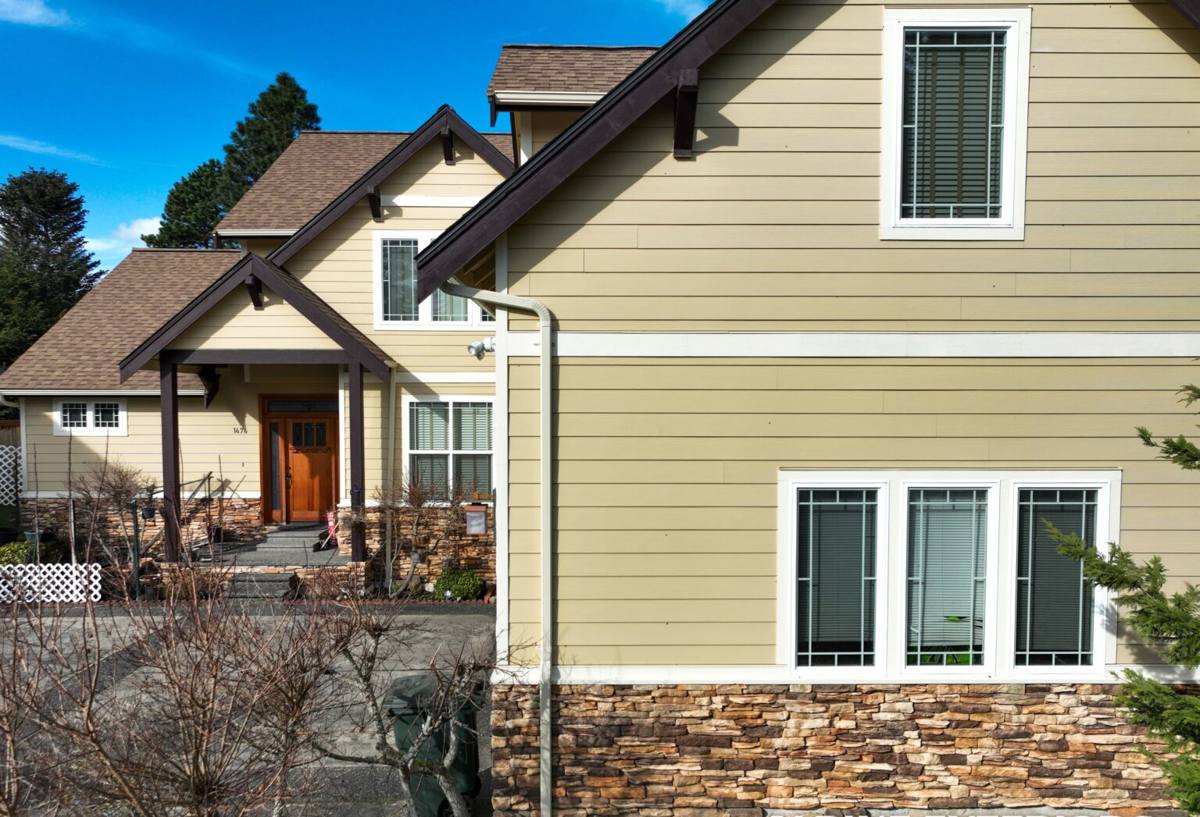
What Salt Air, Driving Rain, and Moss Actually Do to Windows
Salt Air and Metal Components
Salt in the air accelerates corrosion on anything metal — window hardware, screen frames, fasteners, and older aluminum sashes. Cheaper hardware finishes can start pitting or seizing years before they would in an inland climate. It's not usually dramatic; it shows up as a lock that gets stiff, a crank that binds, or a screen frame that starts to chalk and pit at the corners.
Driving Rain and Water Intrusion
Wind-driven rain doesn't just hit the glass — it gets pushed sideways and upward into gaps that would never see water in a calm rain. This is why flashing detail and sill pan design matter more here than the window unit itself. A well-built window installed with poor flashing will still leak; a modest window installed correctly usually won't.
Moss, Algae, and Prolonged Dampness
Long stretches of overcast, damp weather keep north-facing and shaded window trim wet longer between dry spells. Wood trim and sills that don't get enough sun exposure are where we most often see moss and algae take hold, and once established, it holds moisture against the surface underneath — which is a bigger problem for the wood than the moss itself.
What a Correct Window Installation Involves
A window replacement or new install that's actually built for this climate involves more steps than swapping an old sash for a new one. The parts that matter most are usually invisible once the job is finished:
- Opening inspection — checking the framing and sill for rot or soft spots before anything new goes in, since a new window over a compromised opening just delays the same problem.
- Sill pan flashing — a sloped, sealed pan under the window that directs any water that does get past the exterior seal back outside instead of into the wall.
- Proper weather barrier integration — flashing tape and house wrap layered so water sheds downward and outward, shingle-style, at every seam.
- Correct fastening and shimming — so the window sits square and doesn't rack or bind, which is what causes premature seal failure around the sash.
- Exterior sealant selection — a sealant rated to stay flexible through freeze-thaw and constant damp, not one that hardens and cracks after a season or two.
Skipping any one of these doesn't usually cause an obvious problem right away. It shows up as a slow leak two or three winters later, or trim rot that's already spread behind the siding by the time it's visible.
Choosing Frame Materials for a Grandview Home
Frame material is one of the bigger decisions in a custom window project, and the right answer depends on exposure, budget, and how much upkeep the homeowner wants to take on. Here's how the common options compare for this specific climate:
| Frame Material | Salt Air / Moisture Behavior | Maintenance | Typical Trade-off |
|---|---|---|---|
| Vinyl | Won't corrode or rot; handles damp well | Low — occasional cleaning | Fewer color/finish options; can look less refined on higher-end homes |
| Fiberglass | Very stable in wet, salty air; expands/contracts close to glass | Low | Higher upfront cost than vinyl |
| Aluminum | Prone to corrosion pitting near salt air unless well-coated | Moderate | Slim sightlines, but least forgiving material in this climate |
| Wood / wood-clad | Needs consistent exterior protection to resist rot and moss | Highest — periodic refinishing | Best traditional look, but the highest ongoing commitment in a damp climate |
None of these is automatically "wrong" — a wood-clad window with a well-maintained exterior finish can do fine in Grandview. The point is going in with clear eyes about which material matches how much upkeep a homeowner actually wants to do, rather than assuming every material behaves the same way once it's up against salt air and year-round dampness.
Glass and Glazing Choices Worth Understanding
Beyond frame material, the glass package affects both comfort and how the window holds up:
Double vs. Triple Pane
Double-pane, gas-filled units are the standard in most Whatcom County homes and perform well. Triple-pane adds cost and weight but can be worth it on a window facing sustained wind exposure, or for a homeowner prioritizing noise reduction and comfort near an exterior wall that gets cold in winter.
Low-E Coatings
Low-E coatings help manage heat loss through glass, which matters through the long, gray stretch of the year when interior heating is running for months at a time. This is a low-cost upgrade that pays for itself in comfort more than in any dramatic energy bill change.
Seal Quality
The insulated glass unit's edge seal is what fails first in coastal, humid climates — showing up as fogging between panes. A quality seal and a warranty that actually covers seal failure matters more here than in a drier region.
Our Process for a Grandview Window Project
- On-site assessment — we look at existing openings, framing condition, exposure direction, and any signs of past water intrusion before recommending anything.
- Honest material and glass recommendation — based on that specific home's exposure, not a one-size-fits-all package.
- Custom measurement — actual opening dimensions, not assumed standard sizes, especially in older Grandview homes where openings have often settled slightly out of square.
- Removal and opening inspection — checking for hidden rot or damage once the old window is out, before it's covered back up by a new one.
- Correct flashing and sealing — sill pan, tape, and sealant sequencing done in the right order, not just caulked around the edges.
- Interior and exterior finish work — trim, sealant lines, and hardware checked for smooth operation before we call it done.
- Final walkthrough — going over the work with the homeowner and explaining anything they should keep an eye on going forward.
Signs Your Current Windows Need Attention
Because window failure in this climate tends to happen slowly and behind the surface, it helps to know what to look for before a small issue becomes a bigger repair:
- Fogging or moisture between the panes of double- or triple-glazed glass
- Stiff, sticking, or corroded locks and cranks
- Soft or discolored trim and sill wood, especially on shaded or north-facing walls
- Moss or algae buildup that keeps returning shortly after cleaning
- Drafts or a noticeable temperature difference near the window in winter
- Visible gaps or cracked, hardened sealant around the exterior frame
- Difficulty opening or closing a sash that used to move freely
Any one of these on its own isn't necessarily urgent, but a window showing two or three at once is usually further along than it looks from the inside.
What Affects the Cost of a Custom Window Project
Every Grandview home is different, so we don't quote a flat per-window price without seeing the job, but the main factors that move cost up or down are consistent:
| Factor | How It Affects Cost |
|---|---|
| Frame material | Vinyl is generally the most affordable; fiberglass and wood-clad cost more upfront |
| Opening condition | Hidden rot or framing repair adds labor and material beyond the window itself |
| Number and size of openings | Larger or non-standard sizes cost more to custom-fabricate than stock sizes |
| Glass package | Triple-pane, upgraded Low-E, or specialty tint adds to per-unit cost |
| Exposure and flashing complexity | Walls with heavier wind-driven rain exposure need more flashing detail and labor |
| Access | Second-story or hard-to-reach openings add labor time |
As a broad range, most straightforward vinyl replacement windows in this region run in the low-to-mid hundreds per unit installed, with fiberglass, wood-clad, larger custom sizes, or extensive flashing repair pushing well above that. The only way to get a real number is to look at the specific openings and exposure on the house.
Why It Matters That We Already Work in Grandview
A window that's correctly detailed for a dry inland climate can still fail here if the person installing it doesn't account for wind-driven rain and salt exposure specific to this stretch of Whatcom County. We've seen how these conditions actually behave on real Grandview homes — which walls take the worst of the weather, where moss tends to establish first, and which details are worth spending extra time on versus which are overkill. That's the kind of judgment that comes from working this area regularly, not from a general specification sheet.
If you're dealing with drafty, foggy, or hard-to-operate windows, or you're planning ahead for a full replacement, we're glad to take a look and give you a straight answer about what your home actually needs. Reach out for a free, no-pressure estimate using the form below.