 Blaine Siding
 Siding Built for What Cherry Point Actually Deals With
Cherry Point, a Whatcom County community near Blaine, sits in an exposed stretch of shoreline where homes take a different kind of beating than siding in a sheltered inland neighborhood does. Salt-laden air off the water, wind-driven rain that hits walls sideways rather than falling straight down, and a moss season that can stretch for months all work against ordinary siding materials. If you're planning a siding project on a Cherry Point property, the climate isn't a side note — it should drive every decision about material, installation detail, and maintenance plan.
We install James Hardie fiber cement siding exclusively, and this page is about what that means specifically for a home in this part of Whatcom County: what local conditions actually do to siding over time, what a correctly installed Hardie system looks like, and why hiring a crew that already understands Cherry Point's exposure matters more here than it would somewhere more sheltered.
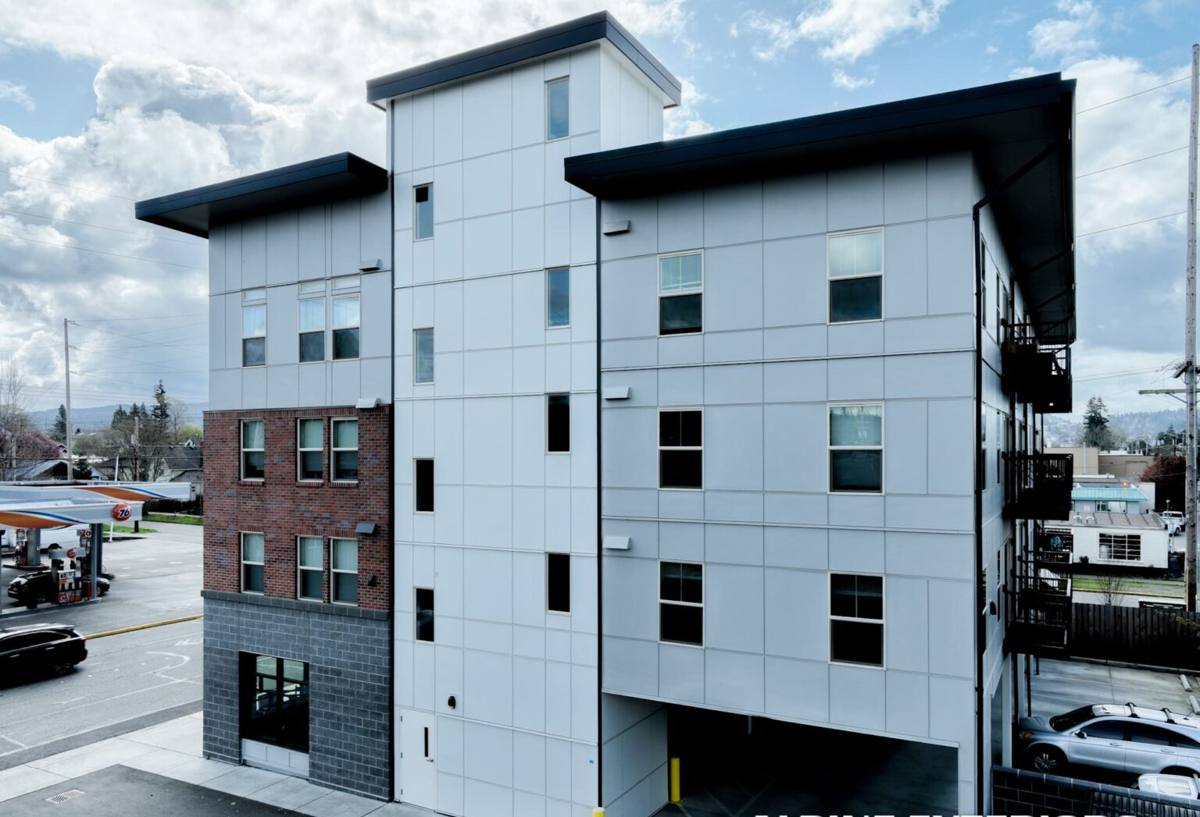
What Salt Air, Driving Rain, and Moss Season Do to Siding
Salt Air and Slow Corrosion
Airborne salt doesn't just affect boats and metal railings. It settles on exterior surfaces, works into seams and fastener heads, and accelerates the breakdown of coatings and caulk. Siding materials that rely on paint film for protection — rather than a factory-baked finish — tend to chalk, fade, and lose their seal faster in a salt-air environment. Fasteners and trim hardware that aren't rated for coastal exposure can also start showing rust streaks well before they would inland.
Wind-Driven Rain
Rain that comes in at an angle, pushed by wind off open water, finds every weak point in a siding system: gaps at butt joints, under-caulked trim, and laps that weren't installed with enough overlap. Over years, that moisture intrusion is what causes rot in the wall assembly behind the siding — not the rain itself, but rain that had a way in and nowhere to drain back out.
Extended Moss and Damp Season
Whatcom County's long wet stretch from fall through spring keeps north- and west-facing walls damp for extended periods, which is exactly the environment moss and mildew need to take hold. On porous or wood-based siding, that sustained dampness also feeds rot from the surface inward. Siding that can't shed water quickly, or that absorbs moisture into its core, is working against the climate instead of with it.
Why James Hardie Is What We Put on Cherry Point Homes
James Hardie fiber cement is a cement, sand, and cellulose fiber product manufactured to be dimensionally stable and non-combustible, and it doesn't absorb water the way wood-based or wood-fiber siding products do. That matters directly for a property dealing with salt exposure and long wet seasons: fiber cement isn't feeding moisture into a wall cavity, and it isn't relying on an unprotected wood substrate to hold up under repeated wetting and drying.
The other piece is the factory finish. Hardie's ColorPlus technology bakes the color onto the board in a controlled factory environment, in multiple coats, before it ever reaches the jobsite. That finish holds up to UV and salt exposure noticeably better than a field-applied paint job, and it comes with its own finish warranty separate from the substrate warranty — a transferable warranty structure that also matters if a Cherry Point home changes hands down the road. For a home taking direct salt air off the water, that factory-cured finish is doing real work, not just providing color.
Choosing the Right Hardie Line for This Exposure
James Hardie makes climate-engineered product lines, and matching the right one to a Cherry Point property's specific exposure is part of doing the job correctly — it isn't one-size-fits-all.
| Consideration | Why It Matters in Cherry Point |
|---|---|
| HZ5 engineered formulation | Formulated for colder, wetter climate zones with freeze-thaw cycles — the standard fit for most of Whatcom County |
| ColorPlus factory finish | Reduces repainting frequency and holds color better against salt air and UV than field-applied paint |
| Panel vs. lap profile | Lap siding sheds wind-driven rain differently than panel systems; profile choice should follow wall exposure, not just style preference |
| Trim and fastener material | Coastal-rated, corrosion-resistant fasteners and flashing are worth the upcharge on water-facing walls |
What a Correct Installation Actually Involves
The single biggest factor in how long any siding system lasts isn't the brand on the box — it's whether it was installed to spec. Fiber cement is less forgiving of shortcuts than people expect, and in a high-moisture, high-wind exposure like Cherry Point, installation mistakes show up faster.
Water Management Comes First
Before a single piece of siding goes up, the wall needs a properly lapped weather-resistive barrier, correctly integrated flashing at every window, door, and penetration, and a drainage plane that lets any moisture that does get behind the siding find its way back out. Siding is the last layer of defense, not the only one.
Clearances and Gaps
Hardie's installation instructions specify minimum clearances from grade, roofing, decks, and other abutting surfaces, plus gap and caulk requirements at butt joints and trim. Skipping these clearances is one of the most common ways installers void the manufacturer's warranty, and it's also exactly what lets standing water and wicking moisture into the assembly.
Fastening
Fastener type, spacing, and placement all matter to both wind performance and long-term durability. In an area that gets real wind off the water, under-fastened siding is a callback waiting to happen — and over-driven or misplaced fasteners can crack boards or create entry points for moisture.
Caulking and Sealant Practices
Fiber cement needs a quality, paintable, flexible sealant at joints and trim intersections, applied correctly the first time. In a driving-rain environment, a bad caulk joint isn't cosmetic — it's a leak path.
Our Process for a Cherry Point Project
- On-site assessment. We look at wall exposure by direction, existing moisture damage, trim and window conditions, and which sides of the house are taking the most weather off the water.
- Product and line selection. We recommend the Hardie profile, HZ formulation, and color/finish combination that fits the home's exposure and the owner's style preference — not a default package.
- Removal and substrate check. Old siding comes off, and we inspect the sheathing underneath for rot or damage before anything new goes up. Problems get addressed here, not covered over.
- Weather barrier and flashing. Housewrap, flashing at every penetration, and drainage details go in before siding starts — this is the step that determines whether the wall stays dry for the next few decades.
- Installation to Hardie spec. Correct clearances, fastening, and joint treatment throughout, with attention to the water-facing elevations first.
- Trim, caulk, and final detailing. Sealant, trim work, and touch-up are done carefully, since these details are what separates a clean, weathertight job from one that looks fine on day one and fails at year five.
- Walkthrough. We go over the finished work with the homeowner and answer questions about care and warranty before we consider the job done.
Why Local Experience in Cherry Point Matters
A siding crew that's worked on homes throughout the Blaine area and the surrounding Whatcom County coastline already knows which wall orientations take the worst of the wind-driven rain, how aggressive the moss growth gets on shaded north walls, and where salt exposure tends to be worst versus more moderate depending on how exposed a lot is to open water. That knowledge shapes real decisions — where to spend extra care on flashing, which fastener spec to use, which walls need the most attention to clearance and drainage — instead of applying a generic installation approach and hoping it holds up.
Local experience also means familiarity with the permitting and inspection expectations in the area, and a realistic sense of how weather windows affect scheduling for exterior work here. None of that is exotic, but it's the difference between a crew that's guessing and one that's done this exact kind of job, in this exact kind of climate, before.
Cost Factors on a Cherry Point Siding Project
Every home is different, so we don't quote pricing sight-unseen, but these are the main factors that move the number for a James Hardie project in this area:
| Factor | How It Affects the Project |
|---|---|
| Home size and wall complexity | More corners, dormers, and trim details mean more labor and material |
| Substrate condition | Rot repair found during tear-off adds cost but should never be skipped |
| Siding profile and finish | Lap width, panel style, and ColorPlus finish selection affect material pricing |
| Trim and accessory scope | Full trim replacement versus reusing sound existing trim changes the budget |
| Site access and exposure | Water-facing elevations and difficult access can add time for careful detail work |
Maintenance Checklist for Hardie Siding in a Marine Climate
Correctly installed Hardie siding is low-maintenance, not no-maintenance. In a Cherry Point exposure, a little seasonal attention goes a long way:
- Rinse siding periodically to clear salt residue, especially on walls facing open water
- Keep gutters and downspouts clear so water isn't overflowing onto siding and trim
- Trim back vegetation and landscaping to keep airflow moving across shaded, moss-prone walls
- Check caulk lines at trim and joints annually and touch up before small gaps become leak paths
- Watch for any bubbling, peeling, or color change at the finish, which can signal a moisture or warranty issue worth a professional look
- Address any moss or mildew growth early with a gentle wash rather than pressure that can damage the finish
If you're weighing a siding project on a Cherry Point home and want a straight answer about what your walls actually need given their exposure, we're glad to take a look. Use the form below to request a free, no-pressure estimate.