 Blaine Siding
 New Roof Installation in Blaine Harbor: Building for the Water's Edge
Blaine Harbor sits about as close to the water as a Whatcom County neighborhood can get, tucked along Semiahmoo Bay near the marina and Drayton Harbor. That location is part of what makes the area desirable, and it's also exactly why roofs here take more abuse than roofs a few miles inland. Salt air moves off the water and settles on every exposed surface. Storms roll in off the Strait and Georgia and push rain sideways instead of straight down. And the same mild, damp weather that makes this a pleasant place to live year-round also gives moss a growing season that barely stops. A roof installed without those three things in mind will look fine on install day and start showing problems within a few wet seasons.
We install roofs across Whatcom County, but Blaine Harbor gets treated as its own case. A house set back from the water still needs a solid roof. A house within sight of the marina needs one built with the understanding that it's going to take a steadier beating from salt, wind, and moisture than almost anywhere else in the county.
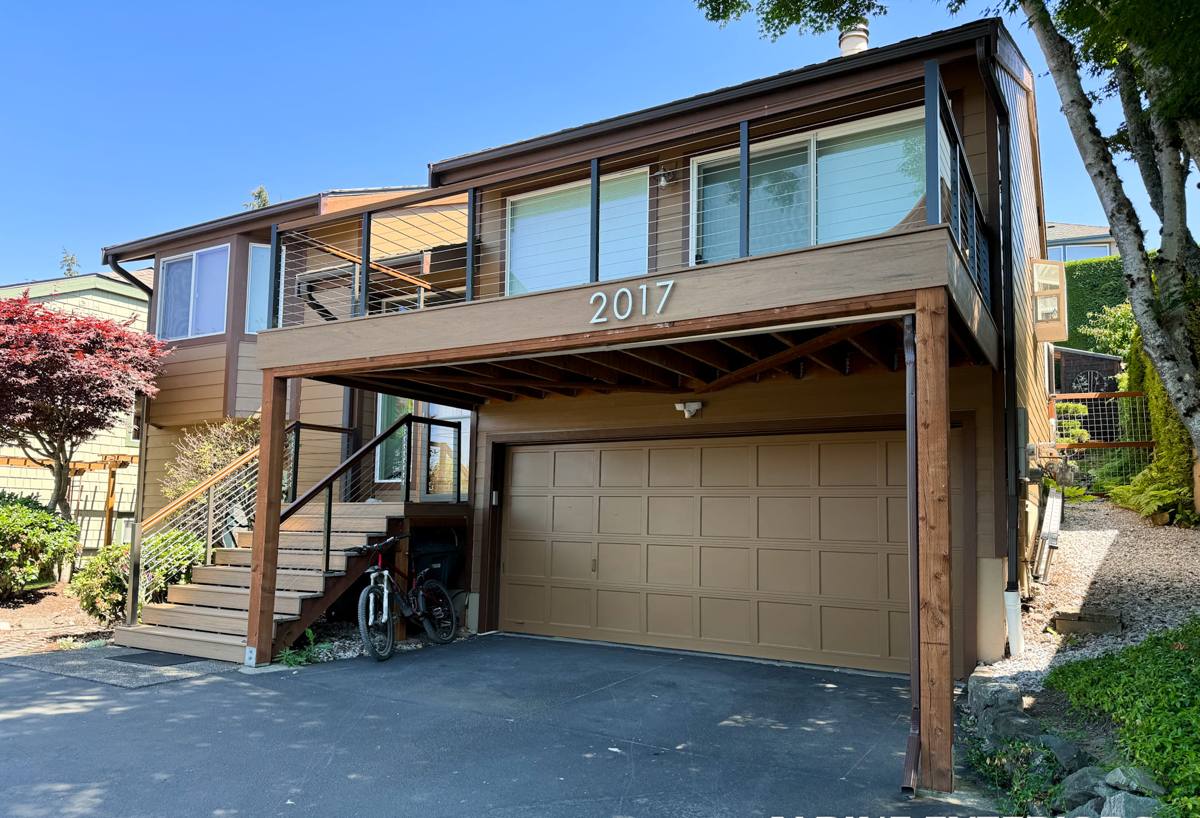
What Blaine Harbor's Climate Does to a Roof
Salt Air and Corrosion
Salt-laden air doesn't just affect boats and dock hardware. It settles on fasteners, flashing, drip edge, and any exposed metal on a roof, and it speeds up corrosion on anything that isn't rated to handle it. A roof that would hold up fine twenty miles inland can develop rust streaks, failing fasteners, and degraded metal flashing years ahead of schedule this close to the bay. The fix isn't complicated, but it does mean being deliberate about which fasteners and flashing metals go on a Blaine Harbor roof rather than defaulting to whatever's standard elsewhere.
Driving Rain Off the Water
Storms coming off Semiahmoo Bay rarely arrive as calm, straight-down rain. Wind pushes it sideways into roof valleys, up under shingle tabs, and against every place where a roof plane meets a wall, chimney, or vent pipe. That sideways-driven moisture finds weaknesses that vertical rain never would, which is why underlayment coverage and flashing at penetrations matter more here than they do in a sheltered, inland setting. A roof built to shed straight-down rain and nothing else is not built for Blaine Harbor.
A Long Moss Season
Mild temperatures and near-constant humidity mean moss doesn't really go dormant here the way it does in colder, drier climates. Shaded roof planes and anything facing north stay damp longest, and moss takes hold quickly once it gets a foothold. Left alone, moss holds moisture against the roof surface, lifts shingle edges, and works its way under flashing over time. A new roof installed in Blaine Harbor needs a plan for moss from day one, not a plan to deal with it after it shows up.
What a Correct New Roof Installation Actually Involves
A new roof is only as good as what's underneath the shingles or panels. In a climate this demanding, the parts nobody sees after the job wraps up are the parts that decide whether the roof lasts.
Tear-Off and Deck Inspection
We remove the old roofing down to the deck rather than layering over it, because that's the only way to actually see the condition of the sheathing. Years of slow moisture intrusion near the water can soften plywood or OSB in ways that aren't visible from above. Any soft or delaminated decking gets replaced before anything new goes on, since a new roof over a compromised deck is a short-lived roof no matter how good the shingles are.
Underlayment and Flashing
We use a synthetic underlayment rated for the coverage this climate needs, with extra attention at valleys, eaves, and any low-slope transitions where wind-driven rain tends to concentrate. Flashing at chimneys, vent pipes, skylights, and wall transitions gets properly lapped and sealed rather than caulked over as an afterthought. Metal flashing and fasteners get chosen with the salt air in mind, not just whatever's cheapest at the supply house.
Ventilation
A roof deck that can't dry out between storms holds onto moisture longer, which feeds moss growth and shortens the life of the roofing material from underneath. Proper intake and exhaust ventilation lets the attic and roof deck breathe, which matters more in a damp coastal climate than it does somewhere drier. We check existing ventilation on every reroof and correct it when it's inadequate, rather than just matching what was already there.
Roofing Materials for Blaine Harbor Homes
Most Blaine Harbor homes end up choosing between a few main roofing categories. Each has real trade-offs in a salt-air, high-moisture setting, and we talk through those trade-offs honestly rather than steering every homeowner toward the same product.
| Material | Typical Lifespan Here | Coastal Consideration |
|---|---|---|
| Architectural asphalt shingle | 20-30 years | Good value; algae-resistant granules help with moss and staining, but fastener and flashing quality still matter most |
| Standing seam metal | 40-plus years | Sheds wind-driven rain well and resists moss, but needs coastal-rated fasteners and coatings to avoid premature corrosion |
| Composite or synthetic shingle | 30-40 years | Holds up well to moisture without the corrosion concerns of metal, though material and install cost run higher than asphalt |
We'll recommend a specific material based on the roof's slope, sun exposure, and how close the home sits to the water, not a one-size answer for every Blaine Harbor address. A shaded, north-facing roof near the marina has different priorities than a sunnier lot set back a block or two.
Our New Roof Installation Process
The steps themselves aren't unusual. What matters is that none of them get shortcut, especially the ones that determine how the roof handles salt air and driving rain once we've packed up and left.
- Inspection and material selection: We walk the roof, check the attic for ventilation and existing moisture issues, and talk through material options based on what the house actually needs.
- Tear-off: Old roofing comes off completely so the deck can be inspected properly.
- Deck repair: Any soft, rotted, or delaminated sheathing gets replaced before anything new is installed.
- Underlayment and flashing: Synthetic underlayment goes down with full coverage, and flashing is installed or replaced at every valley, penetration, and wall transition.
- Ventilation check: Intake and exhaust ventilation gets verified or corrected as part of the reroof, not treated as a separate project.
- Material installation: Shingles, metal panels, or composite roofing go on to manufacturer spec, with attention to fastener type and spacing suited to a salt-air environment.
- Final walkthrough: We walk the finished roof with the homeowner and go over what was done and what to watch for going forward.
Cost Factors for a Blaine Harbor Roof Replacement
| Factor | Why It Matters |
|---|---|
| Roof size and pitch | More square footage and steeper pitches take more material, labor, and safety setup |
| Number of valleys and penetrations | Every valley, vent, and chimney is a place that needs extra flashing attention, which adds labor time |
| Deck condition | Moisture-damaged sheathing found during tear-off adds repair cost that's hard to know in advance |
| Material choice | Asphalt, composite, and metal roofing carry different material and installation costs |
| Ventilation upgrades | Older homes near the water sometimes need added intake or exhaust vents to meet current ventilation needs |
These are general cost drivers, not a quote. Homes near the marina and homes set back a few blocks can have very different roofs once you're actually up there measuring pitch, counting penetrations, and checking the deck. That's why we walk every roof in person before putting a real number on the job, rather than pricing off a photo or a phone description.
Signs Your Blaine Harbor Roof Needs Replacing, Not Just Patching
Not every roof problem means a full replacement. But in a climate this demanding, a few signs usually point past the point where patching makes sense:
- Shingles curling, cupping, or losing granules across large sections rather than one isolated spot
- Rust staining or corroded fasteners and flashing, more common this close to the water
- Moss that comes back within a season or two of being cleaned off
- Soft spots on the roof deck or visible sagging between rafters
- Water staining on interior ceilings, especially after a wind-driven storm off the bay
- A roof approaching or past the upper end of its material's expected lifespan
- Multiple past repairs in different spots rather than one contained problem area
Timing a Roof Replacement Around Local Weather
Whatcom County's wettest, windiest months run from late fall through winter, and Blaine Harbor's exposure to the water makes that stretch harder on both the roof and the install crew than it is a few miles inland. Spring and summer offer the most reliable stretch of dry weather for tear-offs and new roof installation, since underlayment and roofing materials all seal and set up best when they're not fighting active rain. That said, a roof that's actively leaking or showing deck damage shouldn't wait for the calendar to cooperate. We'll work with what the weather gives us when a roof needs attention now.
Why a Local Blaine Harbor Crew Matters
A crew that works this stretch of Whatcom County regularly gets to see how salt air, driving rain, and moss actually play out on real Blaine Harbor roofs over years, not just how a shingle performs on a manufacturer's spec sheet. That experience shapes decisions on install day: which valleys need extra flashing attention, which roof planes stay damp longest and need better ventilation, and which fastener and metal choices are worth the added cost so a homeowner isn't dealing with rust streaks or a leak three years in. A roof built for a drier, more sheltered part of the county isn't automatically built for a home sitting this close to the bay, and a crew that knows the difference plans for it from the first inspection.
If your Blaine Harbor home needs a new roof, or you're not sure whether what you're seeing is a repair issue or a replace issue, we're glad to take a look. Reach out using the form below to schedule a free, no-pressure estimate.