 Blaine Siding
 Peace Arch Homes Face a Tougher Climate Than Most Siding Is Built For
Peace Arch sits close enough to the water and the border that homes here take on a particular combination of weather stress: salt-laden air moving in off the Strait, long stretches of driving rain through fall and winter, and a moss and mildew season that can run most of the year in shaded, north-facing spots. None of that is unusual for Whatcom County, but it adds up faster than homeowners expect. Siding that would hold up fine in a drier inland climate can start showing swelling, streaking, or panel separation within a few years out here if it wasn't chosen and installed with this specific exposure in mind.
This page is about one job, done right, in one area: siding installation for Peace Arch homes. Not a general overview of siding options — the specifics of what this climate demands, what a correct installation actually involves, and why the crew doing the work matters as much as the material itself.
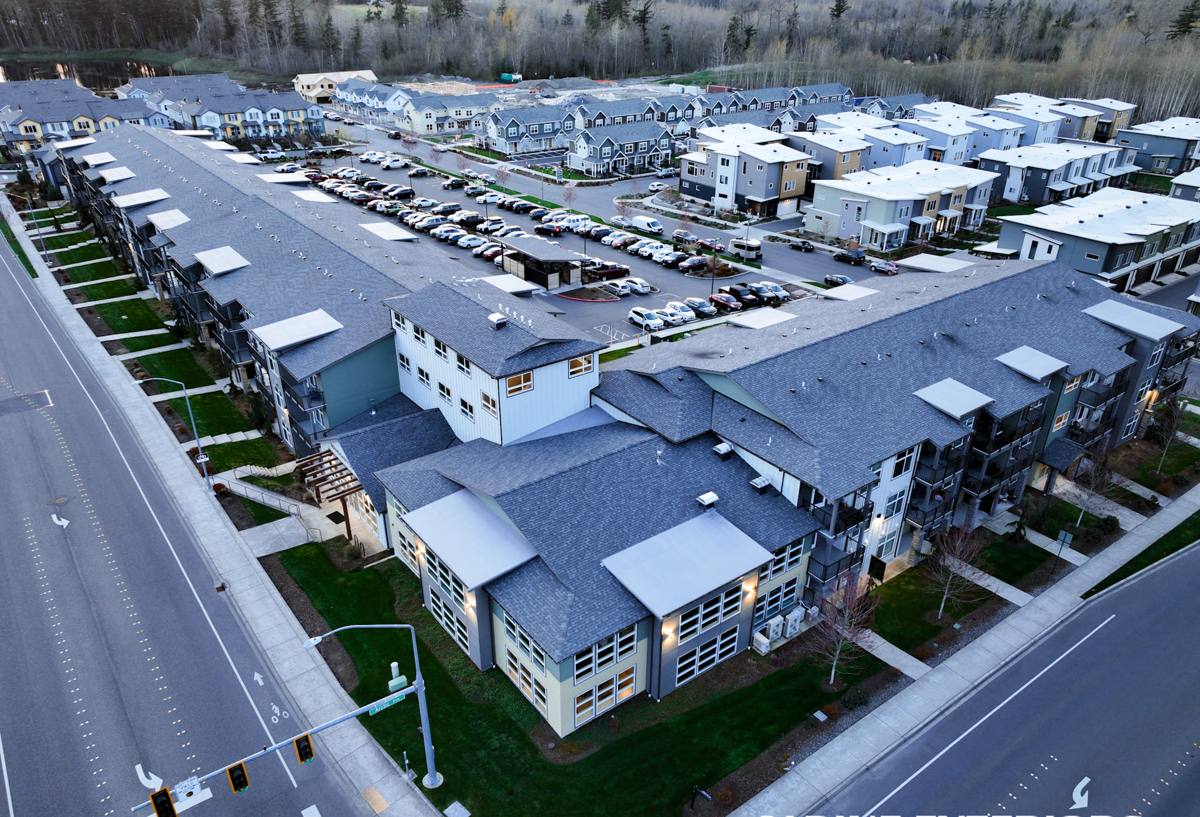
What Salt Air, Rain, and Moss Actually Do to Siding
Each of these factors stresses a home's exterior differently, and a good installation has to account for all three at once:
- Salt air accelerates corrosion on fasteners, flashing, and any exposed metal trim. Over time it also degrades weaker paint films and finishes faster than an inland environment would.
- Driving rain, especially wind-driven rain off the water, pushes moisture into laps, seams, and butt joints that would stay dry in a calmer climate. Any gap in flashing or caulking becomes an entry point.
- Extended moss season means constant surface moisture on shaded walls, north sides, and areas under tree cover. Materials that absorb water or swell when wet stay damp longer here, which invites rot, mildew staining, and coating failure.
The practical effect is that siding decisions in Peace Arch aren't just about appearance. They're about which materials and installation details actually resist water intrusion and hold their finish under sustained coastal exposure, year after year.
Why We Install Only James Hardie Fiber Cement
We made a decision as a company to install James Hardie fiber cement siding exclusively, and not offer vinyl, LP SmartSide, or other fiber cement brands. That's not a marketing angle — it's because in a climate like this, the material matters as much as the workmanship.
Fiber cement is non-combustible and dimensionally stable, meaning it doesn't swell, warp, or absorb water the way wood-based or engineered wood products can when they're exposed to sustained damp conditions. James Hardie's HZ5 product line is specifically engineered for the Pacific Northwest's freeze-thaw and moisture cycles, and its ColorPlus factory-applied finish is baked on under controlled conditions rather than field-painted, which gives it better long-term color retention and resistance to fading and chalking in salt-air exposure. It's backed by a strong transferable warranty when installed to Hardie's specifications — which is the other half of the equation, because even the best siding material fails if the installation details are wrong.
We're not going to tell you every other product is bad — plenty of materials have legitimate uses in the right climate. What we will say is that after years of working on homes in this exact environment, we standardized on Hardie because it's what we've seen hold up, and we'd rather install one product correctly and stand behind it than offer several and hedge.
Material Comparison for a Coastal Whatcom County Climate
| Factor | James Hardie Fiber Cement | Vinyl Siding | Engineered Wood (e.g. LP SmartSide) |
|---|---|---|---|
| Moisture/rot resistance | Does not absorb water or rot; dimensionally stable | Doesn't rot, but seams and panels can warp or buckle | Wood-based core is vulnerable if moisture reaches the substrate |
| Salt air / coastal exposure | Engineered HZ5 line built for coastal/PNW conditions | Can become brittle and fade faster under UV and salt exposure | Finish and edges need consistent maintenance to resist moisture |
| Fire resistance | Non-combustible | Combustible, can melt or deform near heat sources | Combustible |
| Finish longevity | Factory-baked ColorPlus finish, long color retention | Color molded in, but can fade and chalk over time | Field-applied or factory finish, requires more upkeep |
| Typical lifespan when installed correctly | Multiple decades with a strong transferable warranty | Long-lived but prone to cracking/warping over decades | Shorter than fiber cement in wet coastal climates |
This isn't a claim that other materials can't work anywhere — it's specific to what holds up best under Peace Arch's combination of salt exposure, driving rain, and moss-prone shade.
What a Correct Installation Actually Involves
Fiber cement siding is only as good as the installation behind it. This is where most siding problems actually originate — not the material, but shortcuts in the details you can't see once the job is finished.
Moisture Management Comes First
Before a single piece of siding goes up, the wall needs a properly lapped weather-resistive barrier, correctly integrated with window and door flashing so water is directed out and down, never trapped behind the siding. In a climate with this much wind-driven rain, gaps or shortcuts here are what cause hidden rot years down the road, long after the siding looks fine from the curb.
Fastening and Clearances
James Hardie specifies exact fastener types, spacing, and penetration depth, along with minimum clearances from grade, roofing, and other transitions. In a salt-air environment, using the correct corrosion-resistant fasteners isn't optional — the wrong fastener can bleed rust through the finish within a few seasons.
Joints, Seams, and Caulking
Butt joints and panel seams are the most common places water finds its way in. Correct installation means properly backed joints, factory or matched touch-up finish on cut edges, and quality sealant only where Hardie's specifications call for it — not as a substitute for correct flashing.
Trim and Transitions
Where siding meets windows, corners, roofline, and foundation, the transition details matter more than almost anything else on the wall. These are the spots that take the brunt of driving rain and where moss and mildew tend to establish first if drainage isn't handled correctly.
Our Process on a Peace Arch Siding Project
- On-site assessment — we look at the home's exposure: which walls face prevailing wind and rain, where shade and moisture collect, and the condition of the existing wall assembly underneath the current siding.
- Substrate check — before any new siding goes up, we confirm the sheathing underneath is sound. If there's hidden rot or damage from years of moisture intrusion, that gets addressed first, not covered over.
- Weather barrier and flashing installation — done to Hardie's specifications, with particular attention to window, door, and roofline transitions given how much wind-driven rain this area sees.
- Siding installation — panels, fasteners, and joints installed to manufacturer spec, maintaining correct clearances from grade, decks, and roofing.
- Trim, caulking, and finish detailing — the finishing touches that determine how well the installation actually sheds water over time.
- Final walkthrough — we go over the completed work with the homeowner and explain what maintenance, if any, to expect going forward.
Signs a Peace Arch Home May Need New Siding
A few patterns show up more often in this area than elsewhere, mostly tied to the climate:
- Persistent moss, algae, or dark staining on north-facing or shaded walls that keeps returning after cleaning
- Soft spots, swelling, or visible warping, especially near the base of walls or around window trim
- Paint or finish that's chalking, peeling, or fading unevenly, often worse on the sides most exposed to wind and salt air
- Visible gaps or separation at seams and corners, which usually means water has been getting behind the siding for a while
- Rusting or staining around fasteners or metal trim, a sign that corrosion has already started
None of these mean a home needs full replacement automatically, but they're worth having assessed before they turn into a sheathing or framing problem.
What to Look for When Hiring a Siding Contractor Here
Peace Arch's climate punishes shortcuts faster than a drier region would, so the contractor's actual field experience in this environment matters.
- Ask whether they're a certified or experienced James Hardie installer, and ask specifically about their flashing and moisture-barrier practices — not just the siding brand
- Ask how they handle butt joints, corners, and trim transitions, since that's where most failures start
- Confirm they'll check the substrate underneath old siding before installing new siding over it
- Ask about their experience with coastal Whatcom County conditions specifically, not just siding installation in general
- Get clarity on what warranty coverage applies — both the manufacturer's product warranty and the contractor's workmanship warranty
Maintenance After Installation
One advantage of correctly installed James Hardie siding is how little ongoing maintenance it needs compared to alternatives, but a coastal Blaine climate still calls for some basic upkeep: periodic rinsing to keep salt residue and organic growth from building up, especially on shaded or north-facing walls, and an occasional visual check of caulking and trim joints after major storms. None of this is intensive, but it's worth doing given how much moss and rain this area sees over a typical year.
If you're weighing siding installation for a home in Peace Arch, we're glad to come take a look and talk through what your walls specifically need — no pressure, no upsell, just a straightforward assessment and a free estimate.