 Blaine Siding
 Roof Repair in Sandy Point: Built for What the Water Throws at It
Sandy Point sits right on the water west of Blaine, low and exposed in a way most inland Whatcom County neighborhoods aren't. Homes here take wind and weather straight off the open water with nothing much to break it up first, and that shows up on roofs faster than it does a few miles inland. The housing stock is a mix — older cottages that started as vacation places and have since been renovated or rebuilt over the years, sitting alongside newer full-time homes — and both types share the same problem: a roof out here works harder than a roof in a sheltered spot ever will.
Roof repair in a place like this isn't just patching whatever's leaking and moving on. It means understanding why that spot failed in the first place, because on an exposed roof, the same conditions that caused one problem are usually working on two or three other spots you haven't noticed yet. We treat every repair call in Sandy Point that way — fix what's failing, but look hard at what's likely to fail next.
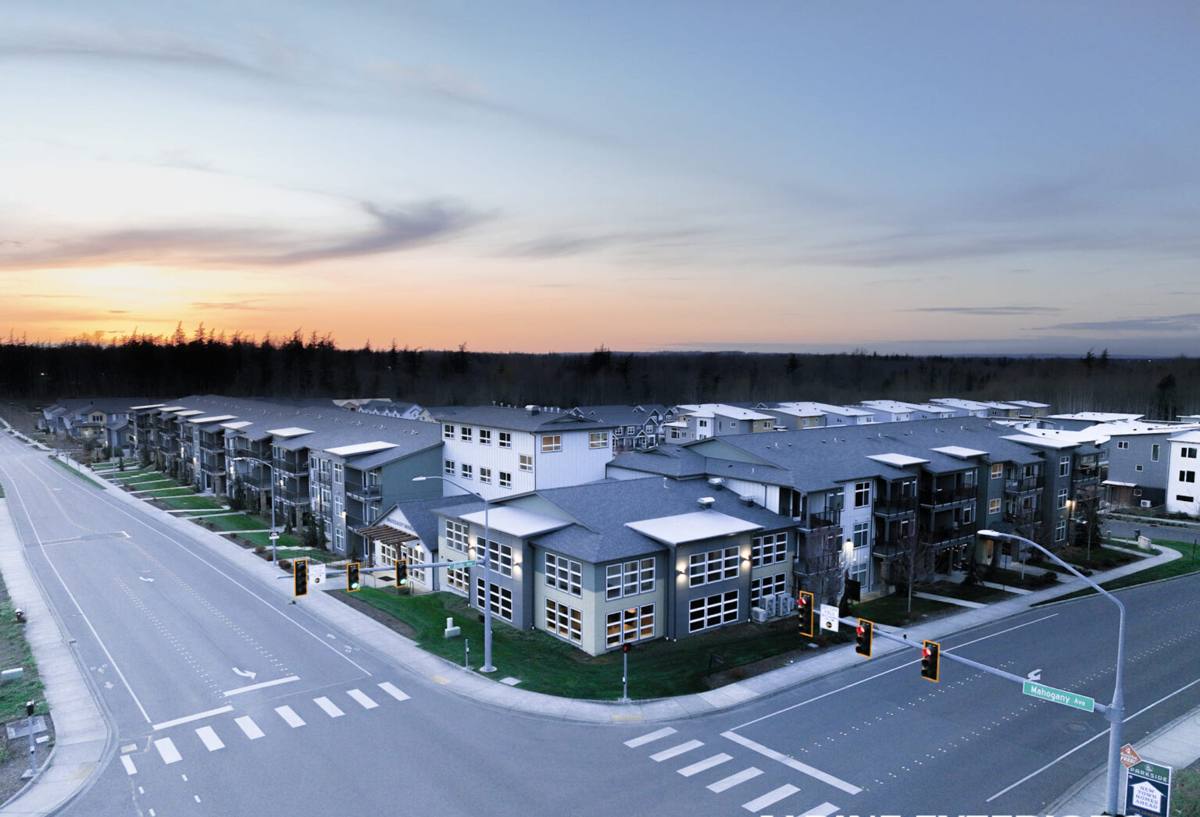
What Sandy Point's Exposure Does to a Roof
Salt Air and Corrosion
Being this close to the water means a steady dose of salt-laden air, and salt is hard on anything metal. Flashing, fasteners, vent boots with metal collars, gutter hardware — all of it corrodes faster here than it would on a roof set back from the water. Corroded flashing is one of the more common repair calls we get in this area, and it's rarely obvious from the ground. A pinhole in rusted step flashing at a chimney or wall intersection can leak for a long time before it shows up as a stain on a ceiling.
Wind-Driven Rain
Storms coming off open water don't just fall straight down — wind pushes rain sideways, up under shingle edges, and into any gap around vents, skylights, and roof-to-wall transitions. That kind of driving rain finds weaknesses a calm, straight-down rainfall never would, which is exactly why roofs in exposed spots like Sandy Point fail at flashing and penetrations more often than they fail out in the open field of the roof itself. A repair that only addresses the field and ignores the transitions usually doesn't hold.
A Long Moss Season
Mild temperatures and near-constant moisture give moss a long growing season across Whatcom County, and shaded or north-facing roof planes in Sandy Point are prime territory for it. Moss holds moisture against the roofing material, lifts shingle edges as it grows, and works its way into any seam or nail line it can reach. Left alone through a few wet seasons, a light moss problem turns into granule loss, soft decking, and eventually a repair that's bigger than it needed to be.
Signs a Sandy Point Roof Needs Repair, Not Just a Look
Because a lot of the damage that starts at flashing and penetrations isn't visible from the ground, we'd rather homeowners call about something minor than wait until it isn't. Some signs worth a call:
- A water stain on a ceiling or in an attic, even a small one, especially near a chimney, skylight, or where two roof planes meet.
- Shingles that are curling, cracked, or missing granules in patches rather than evenly across the roof.
- Visible moss or dark streaking concentrated on shaded sections of the roof.
- Rusty streaks running down from flashing, vent pipes, or gutter hardware.
- Soft or spongy spots underfoot near valleys or roof edges, which usually means the decking underneath has already taken on moisture.
- Daylight visible through the roof deck from inside an attic space.
- Granules collecting in gutters or at the base of downspouts after a storm.
Any one of these is worth a look before the next wet season, not after.
What a Correct Roof Repair Involves
A repair that actually holds in this kind of exposure goes past covering the visible hole. When we're on a roof for a repair in Sandy Point, we're checking the surrounding material, not just the failure point, because wind-driven rain and salt corrosion rarely stay contained to one spot.
- Find the real source, not just the visible symptom. Water travels along roof decking before it shows up as a stain, so the leak's entry point is often several feet from where the damage appears inside.
- Replace flashing, not just seal it. Caulk over corroded or improperly lapped flashing is a temporary fix at best. Correct repair means removing and replacing the flashing itself so it sheds water the way it's supposed to.
- Check and repair decking underneath. If water has been getting in for a while, the plywood or plank decking below the shingles may be soft or delaminated and needs to come out, not just get covered back over.
- Match materials correctly. Shingles, underlayment, and flashing all need to be compatible with what's already on the roof, both for appearance and so the repair doesn't create a new point of failure through mismatched materials.
- Re-check surrounding penetrations. Vent boots, pipe collars, and nearby valleys get inspected while we're already up there, since one failed penetration in an exposed spot often means its neighbors aren't far behind.
Repair or Replace? How We Help You Decide
Not every roof problem in Sandy Point needs a full replacement, and not every roof is a good candidate for another round of patching. The honest answer depends on the roof's age, how much of it is affected, and how it's held up to the exposure so far. We walk through these factors with homeowners before recommending either path:
| Factor | Leans Toward Repair | Leans Toward Replacement |
|---|---|---|
| Roof age | Well within its expected service life | At or past the age where the material is naturally wearing out |
| Extent of damage | Isolated to one area — a valley, a chimney, a section of flashing | Spread across multiple planes or recurring in different spots each season |
| Decking condition | Solid, no soft spots found | Soft or delaminated decking found in more than one area |
| Granule loss | Minimal, isolated to the damaged section | Widespread thinning across most of the roof |
| Repair history | First repair call on this roof | Several repair calls over recent years on the same roof |
Cost is part of this conversation too. A straightforward flashing or small section repair is usually a modest expense; a repair involving significant decking replacement or several separate problem areas starts to close the gap with what a partial or full re-roof would cost. We'll always give you the honest comparison rather than push toward the bigger job.
Materials We Use for Repairs in This Environment
What goes into a repair matters as much as the workmanship, especially this close to the water. We use corrosion-resistant flashing and fasteners rather than standard-grade hardware that will start rusting again within a few seasons in Sandy Point's salt air. Underlayment gets matched to what performs well under sustained wind-driven rain, not just what's cheapest to install. And where moss has been a recurring issue on a particular roof plane, we'll talk through options like zinc or copper strips near the ridge, which release trace metal ions that discourage regrowth as rain washes over them — a preventive step, not a cure for damage that's already happened.
We match shingle type, weight, and color as closely as possible to existing roofing so a repair blends in rather than standing out as an obvious patch. On older roofs where the original material is no longer available, we'll walk you through the closest reasonable match before any work starts, so there are no surprises once the repair is done.
Our Roof Repair Process
Inspection First
We start by getting on the roof, not just looking at it from the driveway. That means checking the reported problem area along with flashing, valleys, and penetrations nearby, and taking a look in the attic where accessible to see how far any water has traveled.
A Clear, Written Estimate
Before any work starts, you get a written scope and price — what's being repaired, what materials are going in, and why. No vague line items, and no pressure to upgrade to a full replacement unless the roof itself is telling us that's the right call.
The Repair Itself
We remove and replace what's actually failed, including decking where needed, rather than covering a compromised area back over. Flashing gets rebuilt correctly, not resealed. Materials are matched to blend with the surrounding roof wherever possible.
A Final Check
Once the repair is complete, we walk the surrounding area again before we consider the job done, since a repair that leaves a second weak spot untouched isn't a repair we're satisfied with.
Why Hiring a Crew That Already Works Sandy Point Matters
A roofer who mostly works drier, more sheltered parts of Whatcom County doesn't run into wind-driven rain and salt corrosion often enough to develop a feel for where it hits first on this kind of roof. A crew that's already worked in Sandy Point has seen how flashing here corrodes on a different timeline than it does a few miles inland, which roof orientations hold moss the longest, and how far water tends to travel under shingles once it gets past a compromised seal in this kind of exposure. That familiarity shortens the diagnostic part of a repair call and helps make sure the fix addresses what's actually going on, not just the symptom that happened to show up first.
It also matters for material choices. A crew used to milder conditions might reach for standard-grade fasteners or flashing out of habit; a crew that works this stretch of the coast regularly knows those choices don't hold up out here and plans accordingly from the start.
If you've got a leak, a soft spot, visible moss, or you just want an honest read on where your roof stands, we're glad to take a look. Fill out the form below for a free, no-pressure estimate — we'll tell you straight whether it's a repair, and if so, what that actually involves.