 Blaine Siding
 Windows Built for Sumas Weather, Not Just a Showroom
Sumas sits inland from the water compared to Blaine proper, but it still shares the same Whatcom County weather pattern that wears down windows faster than most homeowners expect: long stretches of driving rain, damp air that never fully dries out for months at a time, and a moss and mildew season that can run from fall clear through spring. Add in the temperature swings between summer afternoons and cold, wet winters, and older windows in this area tend to show their age through fogged glass, drafts, and frames that stay damp long after the rain stops.
An energy-efficient window replacement done right in Sumas isn't just about a lower heating bill, though that's real. It's about a window system that can shed water fast, resist the moss and mildew that thrives in this climate, and keep its seal tight through years of freeze-thaw cycles and wind-driven rain off the water. That's a different set of priorities than a window job in a drier part of the state, and it's why we treat this as a local specialty rather than a one-size-fits-all install.
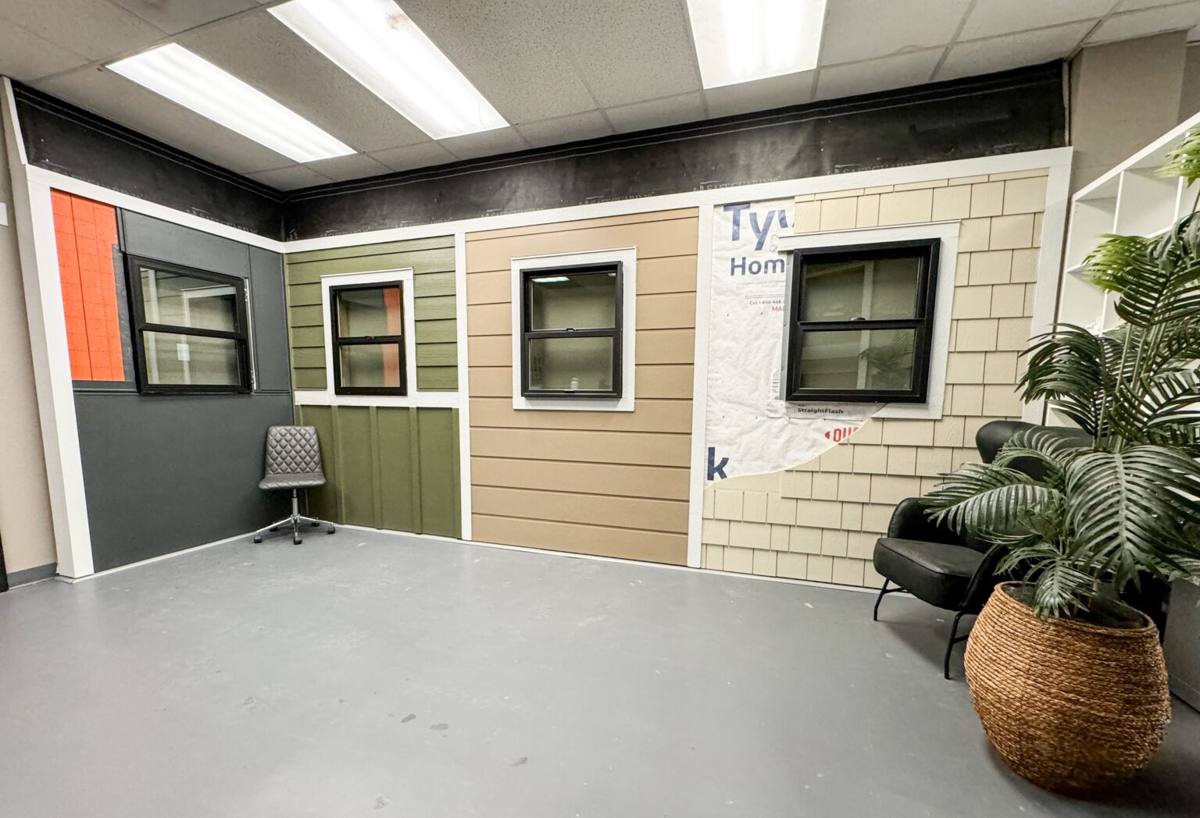
What "Energy-Efficient" Actually Means Here
The term gets used loosely in the window industry. For Whatcom County homes, we look at a specific set of performance factors that matter for our climate rather than chasing the highest-sounding spec on a spreadsheet.
The Factors That Matter Most Locally
- Low U-factor: measures how well the window resists heat loss — important given how many months a year Sumas homes are running the heat.
- Solar Heat Gain Coefficient (SHGC): balanced glass lets in welcome winter light without overheating rooms on the rare hot summer stretch.
- Air infiltration rating: a tight seal matters more here than in drier climates because wind-driven rain will find any gap over time.
- Condensation resistance: our humidity means poorly rated glass fogs and sweats — a good window resists interior condensation on cold mornings.
A window can be marketed as "energy-efficient" and still perform poorly on one of these fronts. We walk homeowners through the actual NFRC label numbers rather than the marketing language on the box.
How Salt Air and Moss Season Affect Window Materials
Blaine and the surrounding Whatcom County communities are close enough to Puget Sound and the Strait of Georgia that airborne salt is a real factor in material selection, even a short distance inland in Sumas. Salt-laden moisture accelerates corrosion on cheap hardware and can degrade certain finishes over time. Meanwhile, the region's near-constant dampness during moss season creates ideal conditions for mildew and algae to take hold anywhere water sits or drains poorly.
What This Means for Frame Choice
We steer homeowners toward frame materials and hardware finishes with a proven track record in coastal-adjacent, high-moisture climates. This is a professional judgment call based on maintenance burden and long-term moisture behavior, not a knock on any particular manufacturer — every window material has trade-offs, and the right one depends on your home's exposure, budget, and how much upkeep you want to do.
| Frame Material | Moisture & Salt Air Behavior | Typical Maintenance |
|---|---|---|
| Vinyl | Won't rust or rot; performs consistently in damp, salt-influenced air | Low — occasional cleaning |
| Fiberglass | Very stable in temperature swings and moisture; strong long-term option | Low |
| Aluminum | Prone to corrosion near salt air unless properly coated; conducts cold | Moderate to high |
| Wood / wood-clad | Handsome but vulnerable to rot if seals or paint fail in constant damp | High — regular inspection and refinishing |
Signs a Sumas Home Needs Window Replacement
Homeowners in this area often live with failing windows longer than they should because the symptoms show up gradually. Here's what we look for during an assessment.
- Fogging or a visible haze between the panes — a sign the seal has failed and the insulating gas has escaped
- Soft or discolored wood at the sill or bottom corners, often a sign moisture has been getting in for a while
- Visible moss, algae, or black mildew streaking on or around the frame
- Drafts you can feel near the frame edges on a windy day
- Windows that are difficult to open, close, or lock — often a sign the frame has swelled or warped
- A noticeable jump in heating costs without another clear explanation
Any one of these on its own might not mean full replacement is necessary. But when a home has several of these signs across multiple windows, patch repairs usually end up costing more over time than a planned replacement.
Our Process for a Sumas Window Project
1. On-Site Assessment
We look at each window's current condition, the home's exposure to wind and rain, and where moisture has historically been a problem. This isn't a generic checklist — a window on the weather-facing side of a house needs different attention than one tucked under an eave.
2. Product Selection Based on Exposure
We walk through frame material, glass package, and hardware options based on that specific home's exposure and the homeowner's budget and maintenance preferences, not a single default recommendation.
3. Correct Flashing and Sealing
This is the step that separates a window that performs well for decades from one that fails early. In our climate, flashing details and sealant work around the window opening matter as much as the window unit itself. A well-built window installed with poor flashing will still let water intrude behind the siding.
4. Final Inspection and Walkthrough
We check operation, seal integrity, and finish work before we consider the job done, and walk the homeowner through what to expect during the break-in period and any care recommendations.
Why Installation Quality Matters More Than the Window Brand
A high-end energy-efficient window installed poorly will underperform a mid-range window installed correctly. In a climate like ours, the installation details — proper flashing, correct shimming so the frame isn't racked, sealant that's actually rated for exterior exposure, and weep holes left clear for drainage — determine whether that window lasts 25 years or starts leaking in five. This is the single biggest factor homeowners underestimate when comparing quotes.
Installation Checklist We Follow on Every Job
- Old window removed without damaging the rough opening or surrounding siding
- Rough opening inspected for hidden rot or moisture damage before the new unit goes in
- Weather-resistive barrier and flashing integrated correctly with the existing wall assembly
- Window shimmed level and square, not just tight to the opening
- Insulation placed around the frame gap — not overpacked, which can bow the frame
- Exterior sealant applied at the correct joints, leaving weep holes clear
- Interior and exterior trim finished cleanly and checked for gaps
- Operation tested — smooth open, close, and lock on every window installed
Cost Factors for Sumas Homeowners
Every home and project is different, so we avoid quoting numbers before seeing the job. What we can tell you is what tends to move the price up or down.
| Factor | Effect on Cost |
|---|---|
| Number of windows replaced | Larger projects typically bring a better per-window rate |
| Frame material chosen | Vinyl is generally the most budget-friendly; fiberglass and wood-clad run higher |
| Glass package (double vs. triple pane, coatings) | Higher-performance glass adds cost but improves comfort and efficiency |
| Condition of the rough opening | Hidden rot or framing damage found during removal adds repair time |
| Window size and style | Larger units, custom shapes, or operable styles like casements cost more than standard sliders |
| Trim and finish work | Matching existing trim profiles or repainting adds labor |
We always give a written estimate that breaks these factors out so homeowners can see exactly what they're paying for and where there's room to adjust scope.
Why a Crew That Already Works Sumas Makes a Difference
A contractor who works this specific part of Whatcom County regularly has already seen how homes here age in this climate — which frame materials hold up, which flashing shortcuts cause callbacks two winters later, and how the local building department expects window replacement work to be permitted and inspected when required. That local pattern recognition is hard to replicate for a crew that only occasionally works this far north. We're based in Blaine and treat Sumas as part of our regular service area, not a one-off drive-to job.
If your windows are drafty, fogged, or just showing their age, we're happy to take a look and give you a straight assessment of what's actually going on and what your options are. Reach out for a free, no-pressure estimate using the form below — we'll walk the property, answer your questions, and give you a clear, itemized quote with no obligation.