 Blaine Siding
 Building a Deck That Actually Holds Up in Blaine Harbor
A deck built for Blaine Harbor has to deal with a combination most inland homes never see: salt-laden air off the water, wind-driven rain that gets pushed sideways into places a normal roof would keep dry, and a long stretch of the year where anything shaded or north-facing stays damp enough to grow moss. None of that means a deck can't last out here — it means the design, materials, and fasteners have to be chosen for this specific exposure, not for a generic Pacific Northwest yard a few miles inland. We build decks in Blaine Harbor regularly, and most of what separates a deck that's still solid in fifteen years from one that's rotting at the ledger in five comes down to details that aren't visible once the project is finished.
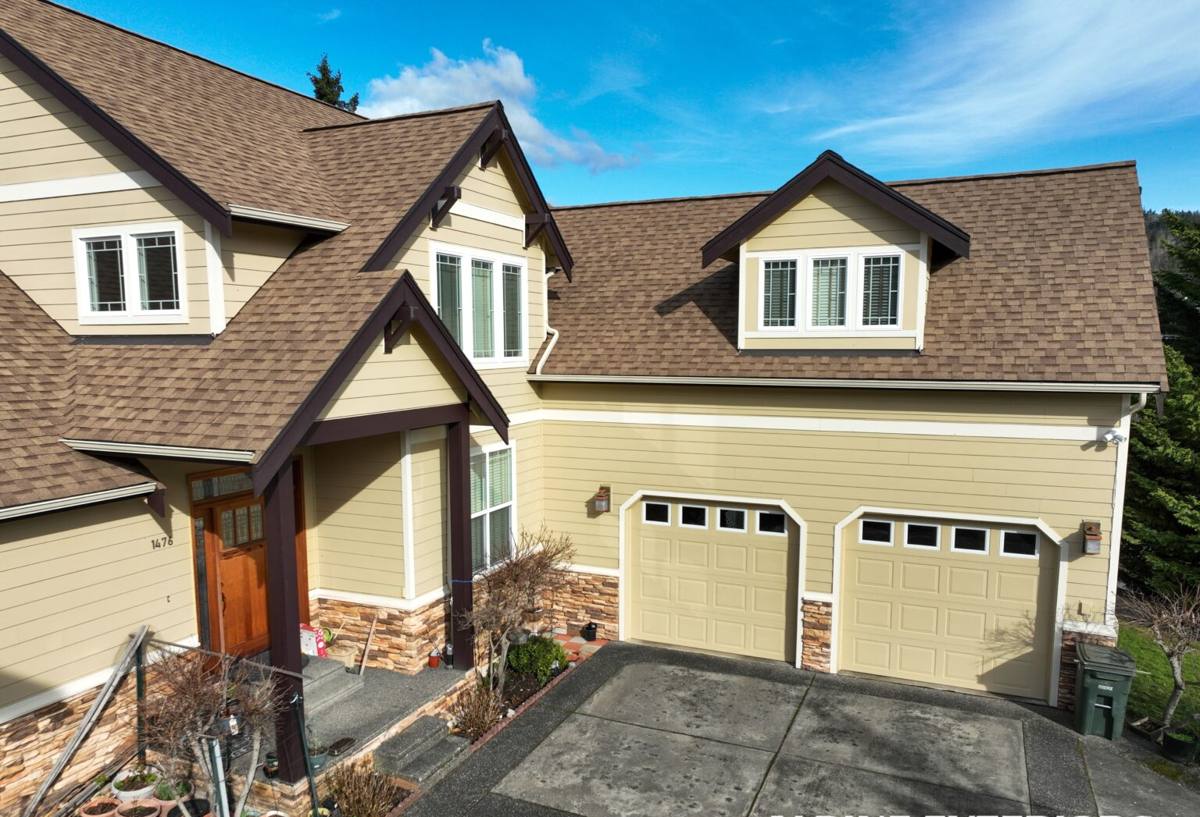
What Salt Air, Rain, and Moss Actually Do to a Deck
Salt Air and Corrosion
Airborne salt accelerates corrosion on any exposed metal — nails, screws, joist hangers, bolts. On a standard build a few miles from the water, mid-grade galvanized hardware might be fine for decades. Close to Blaine Harbor, that same hardware can start rusting and staining within a few seasons, and once a fastener corrodes it loses holding strength long before it looks obviously bad. This is the single biggest material difference between a harbor-adjacent deck and an inland one.
Driving Rain and Trapped Moisture
Whatcom County gets plenty of rain generally, but wind off the water pushes it into gaps and seams that a calmer inland rain wouldn't reach — behind ledger boards, into end grain, under rail post bases. Water that gets in doesn't evaporate quickly in our climate, so trapped moisture sits against wood and framing for weeks at a time. Rot and hidden framing damage almost always start at these entry points, not on the open, sun-exposed surface of the deck.
Moss and Algae
Shaded or low-airflow areas of a deck — under furniture, along the house wall, on north-facing sections — stay damp long enough during our wet months to grow moss and algae. Beyond the cosmetic issue, a mossy deck surface gets genuinely slick and can become a fall hazard, and moss holds moisture directly against the decking material, which shortens its life.
Choosing Decking Material for a Harbor-Adjacent Property
There's no single "best" decking material for Blaine Harbor — there's a best material for your budget, your maintenance appetite, and how exposed your particular lot is. Here's how the common options actually compare under this kind of exposure:
| Material | Upfront Cost | Maintenance | Salt Air / Moisture Behavior | Typical Lifespan |
|---|---|---|---|---|
| Pressure-treated wood | Lowest | Annual cleaning, periodic sealing/staining | Fine if properly sealed and maintained; end grain is the weak point | 10–15 years with upkeep |
| Cedar | Moderate | Regular sealing to hold color and resist checking | Naturally rot-resistant, but still needs sealing near salt air | 15–20 years with upkeep |
| Composite decking | Higher | Occasional washing, no sealing/staining | Doesn't absorb moisture the way wood does; won't rot | 25+ years |
| PVC/capped polymer | Highest | Lowest — mostly rinsing | Fully moisture-sealed surface, most resistant to salt exposure | 25–30+ years |
Framing underneath is a separate decision from the surface material — even homes that choose composite or PVC decking for the walking surface should still use pressure-treated or better framing lumber below, protected the way we describe next.
What a Correctly Built Substructure Looks Like Here
The framing is where a Blaine Harbor deck earns its lifespan, because it's the part exposed to trapped moisture the longest and inspected the least often. A substructure built for this climate includes:
- Concrete footings sized and set below frost depth for our area, not just poured to "look deep enough"
- Joists spaced tighter than the minimum code allows when the decking material calls for it, to reduce flex and gapping over time
- Self-adhering flashing tape over the top of every joist, so fastener penetrations don't become water entry points
- A slight gap or spacing pattern at board ends and along the house to let water drain instead of pooling
- Post bases that hold posts above standing water rather than embedding wood directly in concrete
None of this is visible in the finished deck, which is exactly why it's the part most likely to get shortcut on a lower-bid job — and the part that determines whether you're dealing with a rot problem in year six.
The Ledger Board: Where Most Deck Failures Start
The ledger is the board that attaches the deck directly to your house, and it carries a huge share of the deck's structural load. It's also the single most common failure point on decks we inspect in wet coastal climates, because it sits directly against the house wall where driving rain gets pushed and where moisture has nowhere to drain if it gets behind the siding. A correct ledger installation includes proper flashing that directs water out and away from the house rather than behind the ledger board, and a gap or drainage path so any water that does reach that seam has somewhere to go. Skipping or shortcutting ledger flashing is invisible on installation day and can take years to show up as siding damage, a soft spot in the framing, or worse.
Fasteners and Hardware: Why We Don't Cut Corners Near Salt Air
Given how much faster salt air corrodes standard hardware, we use stainless steel or high-grade coated fasteners and connectors on decks built this close to the harbor, along with hidden fastener systems where the decking material supports them. This costs more upfront than standard galvanized hardware, but it's one of the cheapest ways to add real years to a deck's life — a joist hanger or ledger bolt that corrodes and loses strength is a structural problem, not a cosmetic one, and it's far more expensive to fix after the fact than to spec correctly from the start.
Railings, Stairs, and Code Requirements
Most raised decks require guardrails, and any deck over a certain height above grade needs to meet specific rail height and baluster spacing requirements under the building code that applies in Blaine. Stairs have their own rules for rise, run, and handrail requirements. We design railings and stairs to meet code from the start rather than treating it as a checklist item at the end, and we handle the permit and inspection process as part of the build — for a project like this, that's not optional paperwork, it's what confirms the structure is actually safe to use.
Our Process for a Blaine Harbor Deck Project
We walk every site in person before giving you a design or a number, because exposure varies a lot from lot to lot even within the same neighborhood — how much wind and rain a given wall or corner actually takes, how much shade the lot gets, what the existing structure (if any) is doing. From there:
- Site visit and honest assessment of what your specific location needs, including any existing deck or ledger condition
- Design and material selection based on your budget, maintenance preference, and exposure
- Permit handling with the local jurisdiction — we manage this so you don't have to
- Build, with inspections at the framing stage before decking goes down
- Final walkthrough covering how to maintain the specific materials we used
We don't upsell materials you don't need, and we'll tell you plainly if a lower-cost option is genuinely fine for your situation versus if your exposure justifies spending more on the framing protection or decking material.
A Homeowner's Maintenance Checklist
Whatever material you choose, a little seasonal attention goes a long way in this climate:
- Sweep debris out of gaps between boards so water and moss don't build up
- Rinse or wash the surface a few times a year, more often in shaded sections
- Check and re-seal or re-stain wood decking on the schedule the finish requires — don't wait until it looks obviously dry
- Look at the ledger board area where the deck meets the house at least once a year for staining, soft spots, or gaps in flashing
- Keep planters and furniture legs from sitting directly on the deck surface long-term, since they trap moisture underneath
- Clear moss promptly rather than letting it establish, especially on north-facing or shaded sections
If you're planning a new deck, replacing one that's showing its age, or just want an honest read on whether yours needs repair versus replacement, we're happy to come take a look. Estimates are free, there's no pressure, and you'll get a straight answer about what your specific property actually needs.