 Blaine Siding
 Blaine Harbor's Climate Asks More of a Window Than Most Places
Homes near Blaine Harbor sit in one of the more demanding window environments in Whatcom County. The salt-laden air moving off Drayton Harbor and Semiahmoo Bay, the wind-driven rain that comes sideways off the water during winter storms, and the long, damp moss season that follows all put steady stress on window frames, seals, and glazing. A window that performs fine twenty miles inland can fail years early here if it wasn't built or installed with this specific exposure in mind.
This page covers window replacement as its own service for Blaine Harbor properties specifically — what the local climate actually does to windows over time, what a correctly done replacement involves, and how we approach the work when we're out at a harbor-area home.
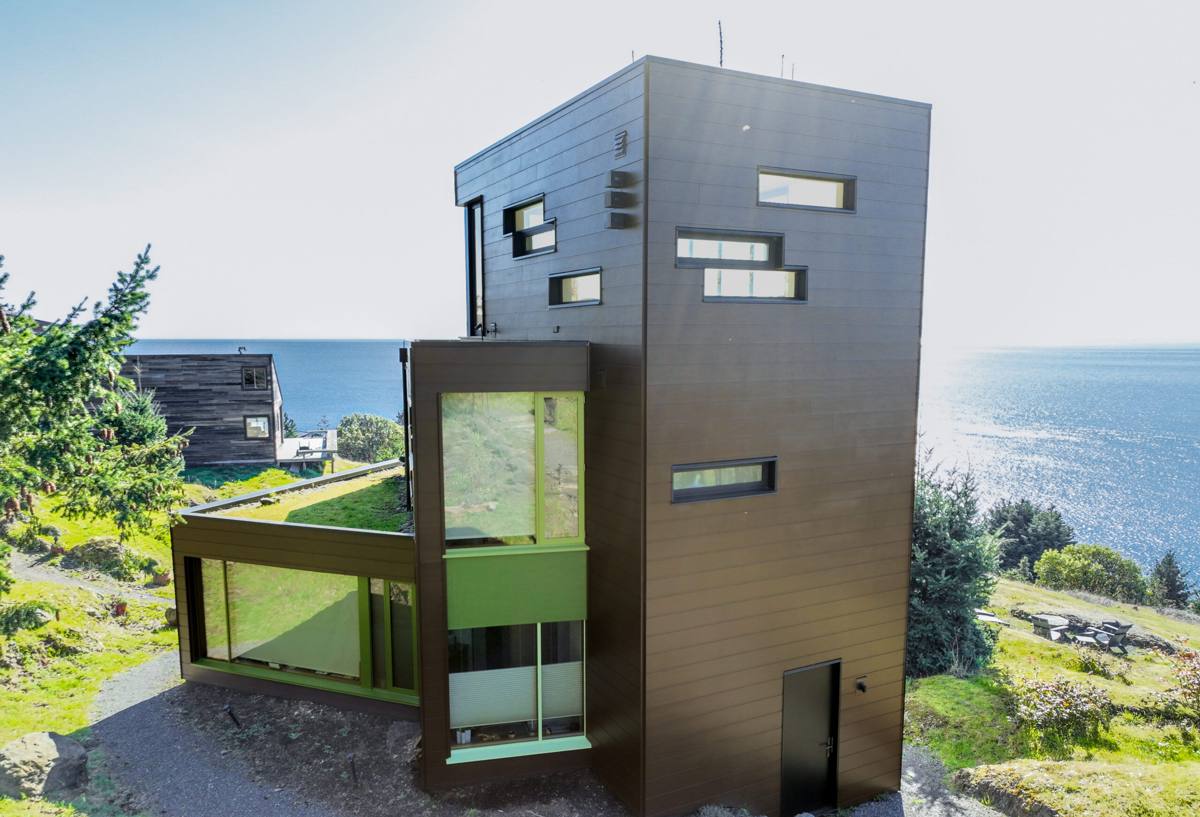
What Salt Air, Driving Rain, and Moss Season Actually Do to Windows
Salt Air and Corrosion
Airborne salt from the harbor settles on everything nearby, including window hardware. Over time it accelerates corrosion on lower-grade fasteners, hinges, and cranks, and it can pit or dull aluminum components that aren't rated for marine exposure. Vinyl and fiberglass frames don't corrode, but the metal hardware inside them — locks, balances, screws — still can if it's cheap. This is one of the first things we check on an older window near the harbor: hardware condition often tells us more about a window's real age than the glass does.
Wind-Driven Rain
Rain that falls straight down is a manageable design problem. Rain that's being pushed horizontally by wind off the water is a different challenge, because it drives moisture into gaps and seams that a window facing a more sheltered direction would never see. Windows on the water-facing sides of Blaine Harbor homes take this kind of pressure regularly through the fall and winter. If the flashing, sill pan, or sealant around a window isn't detailed correctly, wind-driven rain will find its way behind the frame long before the glass itself ever fails.
Extended Moss and Damp Season
Whatcom County's mild, wet winters mean long stretches where wood trim, sills, and surrounding siding stay damp for days at a time. That's exactly the condition moss and algae need to establish themselves. Around windows specifically, moss buildup on sills or nearby trim holds moisture against the frame, which shortens the life of wood components and can quietly rot a sill from underneath long before it's visible from inside.
Signs a Blaine Harbor Home's Windows Need Replacing, Not Just Repairing
Not every problem window needs full replacement — sometimes a reglaze, new weatherstripping, or resealing solves it. But certain signs point to the frame or seal system itself being compromised, which repair can't fix:
- Fogging or a permanent haze between panes, meaning the insulated glass seal has failed
- Soft, spongy, or discolored wood at the sill or bottom corners of the frame
- Visible daylight or a noticeable draft around the frame edges when it's windy
- Windows that are difficult to open, close, or lock — often a sign the frame has shifted or warped
- Persistent condensation on the inside of the glass during cooler months
- Chalky, pitted, or corroded hardware that no longer operates smoothly
- Visible gaps between the window frame and the siding or trim around it
- A noticeable rise in heating costs with no other explanation
If you're seeing more than one or two of these on windows facing the water, it's worth having them looked at before the next wet season adds more moisture behind the frame.
What a Correct Window Replacement Job Involves Here
Flashing and Water Management First
The window itself is only part of the system. Correct installation depends on how the opening is flashed and how water that does reach the frame is directed back out rather than into the wall cavity. For a harbor-facing home, we pay particular attention to sill pan flashing, proper lapping of the water-resistive barrier, and sealant placement — these details matter more here than they would on a sheltered inland lot, because the volume and pressure of wind-driven rain is higher.
Frame Material Suited to the Exposure
Not every window product is a good match for a coastal-adjacent site. We generally steer clients toward vinyl or fiberglass frames for harbor-area homes over bare aluminum or unclad wood, because both resist salt-air corrosion and moisture-driven rot without the ongoing maintenance those older materials demand. Where a homeowner wants the look of wood on the interior, a wood-interior/vinyl-or-fiberglass-exterior clad window gives that appearance while keeping the weather-exposed side low-maintenance.
Installation Sensitivity
Window replacement is one of the exterior trades where a rushed or careless install causes problems that don't show up for a year or two — by which time water has already gotten behind the frame. That's why we treat installation sequencing, shimming, and air-sealing as seriously as the product selection itself. A premium window installed with sloppy flashing will leak. A mid-grade window installed correctly, with proper water management, often outperforms it.
Choosing the Right Window Material for a Coastal Whatcom County Home
| Frame Material | Salt Air / Moisture Resistance | Maintenance | Typical Fit for Blaine Harbor |
|---|---|---|---|
| Vinyl | Strong — won't corrode or rot | Low — occasional cleaning | Good value, reliable choice for most homes |
| Fiberglass | Very strong — dimensionally stable, resists warping | Low | Best for larger openings or homes with heavy direct exposure |
| Wood-Clad (wood interior, vinyl/fiberglass exterior) | Good on exterior; interior wood must stay dry | Moderate | Suits homeowners who want a wood interior look without exterior upkeep |
| Aluminum | Weak against salt air unless marine-grade and well-finished | Higher — watch for corrosion over time | Not our default recommendation this close to the harbor |
| Bare Wood | Poor without diligent, ongoing upkeep | High — regular painting/sealing required | Only for homeowners committed to consistent maintenance |
This is a general guide, not a rule for every situation — orientation, roof overhang, and how exposed a particular wall is to wind and rain all factor in. We walk through these trade-offs with the specific home in mind rather than recommending the same product for every job.
Our Window Replacement Process
- On-site assessment. We look at each window individually — frame condition, sill condition, exposure direction, and how water currently drains around the opening.
- Honest recommendation. We tell you which windows genuinely need replacement, which could be repaired, and why — no upselling every window on the house if it isn't needed.
- Material and product selection. We go over frame material, glazing options, and finish choices based on your budget and the exposure that specific wall sees.
- Proper removal and opening prep. Old frames come out carefully to protect surrounding siding and trim, and we inspect the framing and sheathing underneath for any hidden moisture damage before anything new goes in.
- Correct flashing and sealing. Sill pans, flashing tape, and sealant are installed to manage water at the opening — this step is what actually determines whether the window stays dry for the long run.
- Installation and finish work. The new window is set, shimmed, and secured, then interior and exterior trim is finished to match the home.
- Final check. We confirm proper operation, sealing, and a clean finish before considering the job done.
What Window Replacement Costs Depend On
Pricing for window replacement varies by home, and we won't quote a number without seeing the actual openings, but the main factors that move the price are consistent from job to job:
| Factor | Why It Matters |
|---|---|
| Number and size of windows | Larger or non-standard sizes cost more in materials and labor |
| Frame material chosen | Vinyl is typically the most affordable; fiberglass and clad-wood cost more |
| Condition of the existing opening | Hidden rot or damaged sheathing found during removal adds repair work |
| Glazing and glass options | Upgraded low-E coatings or tempered glass where required add cost |
| Exposure and access | Water-facing walls and harder-to-reach windows can add labor time |
| Trim and finish work | Matching existing interior/exterior trim adds a finishing step |
Most full-window replacement projects for a typical home land somewhere in a broad mid-range once you factor in materials, labor, and finish work — but the only way to get an accurate number is a walk-through of the actual windows involved.
Why Working With a Crew That Already Knows Blaine Harbor Matters
A contractor who mainly works drier, more sheltered inland areas doesn't always think about sill pan flashing or wind-driven rain the same way a crew that regularly works near the water does. We work throughout Whatcom County, and homes close to Blaine Harbor are a familiar part of that work — which means we're not guessing at how to detail a window opening for salt air and driving rain, we're applying what we already know holds up here. That local familiarity shows up in the small decisions during installation, not just in the product on the shelf.
It also means honesty about what's actually needed. Not every home near the harbor needs every window replaced at once, and not every situation calls for the most expensive material on the market. We'd rather tell a homeowner the truth about what their windows need than oversell a job.
Ready for a Straight Answer on Your Windows?
If your Blaine Harbor home has windows showing signs of wear, drafts, fogging, or water intrusion, we're happy to take a look and give you a clear, no-pressure assessment of what's actually going on and what it would take to fix it. Fill out the form below to schedule a free estimate.