 Blaine Siding
 Windows Built for the Nooksack Climate
Homes in and around Nooksack sit close enough to the Strait of Georgia and the Whatcom County lowlands that they take on a specific mix of weather stress: salt-laden air moving in off the water, long stretches of driving rain that comes in sideways more often than straight down, and a wet, shaded season each year that lets moss and algae get a foothold on anything that stays damp too long. Windows are one of the first parts of a house to show the wear from that combination. Frames fatigue, seals fail, and moisture finds its way behind trim long before most homeowners notice a problem from the inside.
Window replacement in this area isn't just a cosmetic upgrade. Done right, it's a moisture-management job as much as a glazing job. A window that looks fine in the showroom can still fail here in a few years if it isn't installed with this climate specifically in mind.
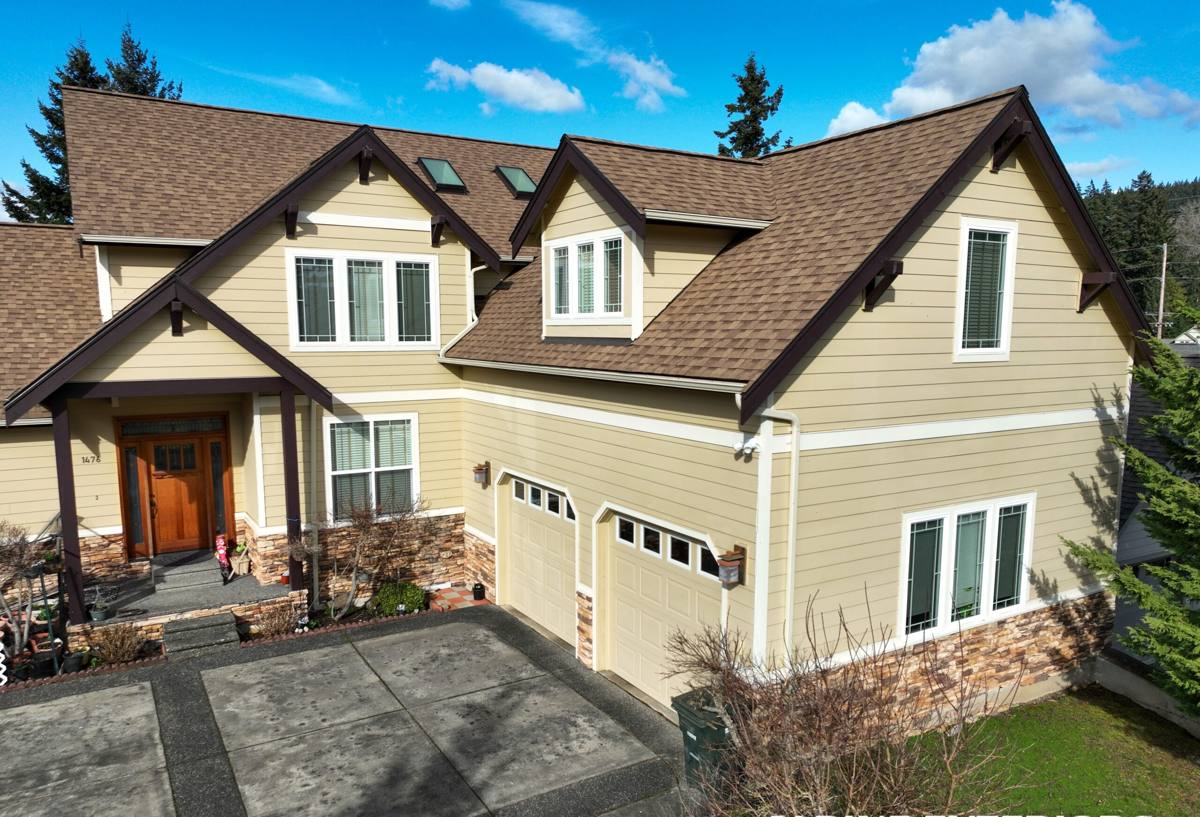
How Local Weather Wears Down Old Windows
Salt Air and Hardware Fatigue
Salt in the air accelerates corrosion on window hardware — hinges, locks, balance mechanisms, and screws — faster than it does further inland. Aluminum-framed and lower-grade vinyl windows are especially prone to pitting and hardware seizing over time near the water. Once hardware corrodes, windows stop sealing tightly even if the glass itself is fine, which opens the door to drafts and water intrusion.
Driving Rain and Water Intrusion
Wind-driven rain doesn't just hit a window head-on — it gets pushed sideways and upward under trim, around poorly sealed nailing fins, and into any gap in the weather barrier. Older installations, especially ones done without a proper sloped sill pan or continuous flashing, are common failure points. Water intrusion here rarely shows up as an obvious leak at first. It shows up as soft trim, bubbling paint, or a musty smell near the window months or years later.
Moss, Algae, and Trapped Moisture
The long wet season in Whatcom County keeps north-facing and shaded walls damp for extended stretches. Moss and algae growth on siding and trim around windows isn't just cosmetic — it holds moisture against the wall assembly and can accelerate wood rot in sills, casings, and sheathing if it's left unaddressed. Windows installed without adequate drainage paths make this worse by giving water nowhere to go but into the wall.
Signs Your Nooksack-Area Home Needs Window Replacement
Not every window problem calls for full replacement, but these are the signals we look for during an assessment that usually point to it:
- Visible fogging or a persistent haze between panes (failed seal on double-pane glass)
- Soft, discolored, or bubbling wood or trim around the frame
- Windows that are difficult to open, close, or lock, especially after damp weather
- Noticeable drafts or cold spots near the window even when it's fully closed
- Visible corrosion or pitting on metal hardware or frame components
- Moss, algae, or dark staining building up on the sill or surrounding trim
- A musty smell in the room during or after rain
- Higher heating bills without a clear explanation elsewhere in the house
If you're seeing more than one or two of these on the same window, it's usually a sign the whole unit — not just the glass or the caulking — has reached the end of its useful life.
What a Correct Window Replacement Job Involves
Frame Material Choices
There's no single "best" frame material for every home — the right choice depends on the house, its exposure, and your maintenance preference. Here's how the common options compare for a climate like this one:
| Frame Material | Moisture Resistance | Maintenance | Notes for This Climate |
|---|---|---|---|
| Vinyl | Good | Low | Doesn't corrode or rot; a solid, budget-friendly default for salt-air exposure |
| Fiberglass | Very good | Low | Handles temperature swings and moisture well; holds paint if you want a custom color |
| Wood-clad | Fair to good | Moderate to high | Attractive, but the wood interior needs the exterior cladding and seals kept intact — any breach invites rot |
| Aluminum | Fair | Moderate | Prone to corrosion and condensation near saltwater air; we generally steer homeowners here away from it for this reason |
For most homes near Nooksack, we lean toward vinyl or fiberglass because they hold up to salt air and constant moisture without the ongoing upkeep that wood-clad or aluminum frames demand. That's a maintenance and moisture-behavior judgment, not a knock on any brand — wood-clad windows can be a great fit for the right homeowner who's committed to keeping the exterior seals maintained.
Flashing and Moisture Barrier Details
This is the part of the job that doesn't show once the trim goes back on, and it's also the part that determines whether the window lasts fifteen years or thirty. A correct install includes a sloped sill pan so any water that gets past the glass drains back outside instead of pooling, continuous flashing tape that integrates with the existing weather-resistive barrier, and properly lapped house wrap above and below the window so water always sheds downward and outward, never into the wall cavity. Skipping or shortcutting any of these steps is the single most common cause of the "window failed early" calls we get, and it's almost never the window itself — it's what was or wasn't done around it.
Glazing and Energy Performance
Double-pane, low-E glass with argon fill is the standard baseline for this climate and handles our temperature range well without needing to go to triple-pane, which mostly makes sense in colder climates further inland. What matters more locally is the seal quality and spacer system, since a compromised seal in a humid, wet climate fails faster than it would somewhere drier. We also pay attention to condensation resistance ratings, since interior condensation on cold, damp days is a common complaint with lower-grade glass packages.
Our Process for Nooksack Window Replacement
- On-site assessment — We look at every window you're considering replacing, check for hidden water damage around frames and sills, and note exposure direction (which windows take the brunt of wind-driven rain) since that affects both product and flashing recommendations.
- Measurement and product selection — Precise measurements for each opening, then a walkthrough of frame material, glass package, and style options based on your home's exposure and budget.
- Removal — Careful removal of the old window and inspection of the framing underneath for rot or moisture damage before anything new goes in. If we find compromised framing, we flag it and address it before installation, not after.
- Sill pan and flashing installation — Sloped sill pan, flashing tape, and integration with the existing weather barrier, done in the correct shingle-lap order so water only moves one direction: out.
- Window installation and leveling — Set, shimmed, and fastened to manufacturer spec, checked for square and level so hardware operates smoothly for years, not just on day one.
- Interior and exterior sealing — Low-expansion foam or backer rod and sealant on the interior for air sealing, and proper exterior caulking at trim joints, not as a substitute for flashing but as the final layer on top of it.
- Trim and finish work — Interior and exterior trim reinstalled or replaced, matched to your home's existing finish where possible.
- Final walkthrough — We test every window with you before we consider the job done — smooth operation, tight seal, and no visible gaps.
Cost Factors for Window Replacement in This Area
Every home is different, so we don't quote pricing sight-unseen, but these are the main factors that move the number up or down on a typical Nooksack-area job:
| Factor | Why It Affects Cost |
|---|---|
| Frame material | Vinyl is generally the most budget-friendly; fiberglass and wood-clad cost more upfront |
| Window size and style | Larger openings, custom shapes, and multi-pane configurations take more material and labor |
| Condition of existing framing | Rot or water damage found during removal adds repair work before the new window can go in |
| Number of windows | Whole-house replacement typically brings a better per-window rate than one or two at a time |
| Access and exposure | Second-story windows or units in hard-to-reach spots take more time and equipment |
| Trim and finish work | Matching existing trim profiles or repainting/staining adds to the scope |
Broadly, homeowners in this area should expect a range that spans from a modest per-window cost for a standard vinyl replacement to a higher figure for larger, custom, or fiberglass units — we'll give you exact numbers after seeing the actual openings, not a guess over the phone.
Why Hire a Crew That Already Works in Nooksack
A window replacement crew that already works this part of Whatcom County knows what to look for before the ladder even goes up: which exposures take the worst of the driving rain, how far salt air travels inland from the water and what that means for hardware choices, and what moss and moisture damage typically looks like once you pull the old trim off. That's not something you can fully substitute for by reading a spec sheet. It also means faster response if you have a follow-up question or a warranty concern after the job is done — we're not driving in from out of the area, and we're not disappearing once the invoice is paid.
Local experience also shows up in the small decisions: how tight to run flashing laps given the rain direction on your specific wall, whether a given sill needs extra drainage detail because of past moisture damage, and which frame materials actually hold up here versus which ones look fine in a catalog. Those are judgment calls built from doing this work in this specific climate, repeatedly.
Maintaining Your New Windows After Install
New windows still need basic upkeep in this climate to get their full lifespan. Rinse salt residue and grime off frames and glass a few times a year, especially after storms. Keep weep holes and drainage tracks clear of debris so water can exit the way it's designed to. Check exterior caulking annually and touch it up if it starts to crack or pull away, since that's the first line of defense above the flashing. And keep an eye on moss or algae buildup on nearby trim or siding — treating it early keeps trapped moisture from becoming a bigger problem down the line.
If you're noticing drafts, fogged glass, sticking hardware, or trim that's starting to soften around your windows, it's worth having them looked at before a small problem turns into a wall repair. We offer free, no-pressure estimates for homeowners in the Nooksack and greater Blaine area — fill out the form below and we'll take a look.