 Blaine Siding
 Why Birch Point Roofs Wear Differently
Birch Point sits close enough to the water that the roof over your head deals with a different mix of stress than a house ten miles inland. Salt-laden air moves in off the water, driving rain comes in sideways during winter storms, and the tree cover that makes this part of Whatcom County so pleasant to live in also keeps roofs shaded and damp for long stretches of the year. None of that means a roof here is doomed — it means the materials and details matter more than they would in a drier, more sheltered spot.
Most of what we see go wrong on Birch Point roofs isn't bad shingles. It's shortcuts in the parts you can't see once the job is done: thin or missing underlayment at the eaves, flashing that wasn't sealed for wind-driven rain, or attic ventilation that never accounted for how much moisture this area holds onto in the winter months. A correct installation accounts for all of it up front.
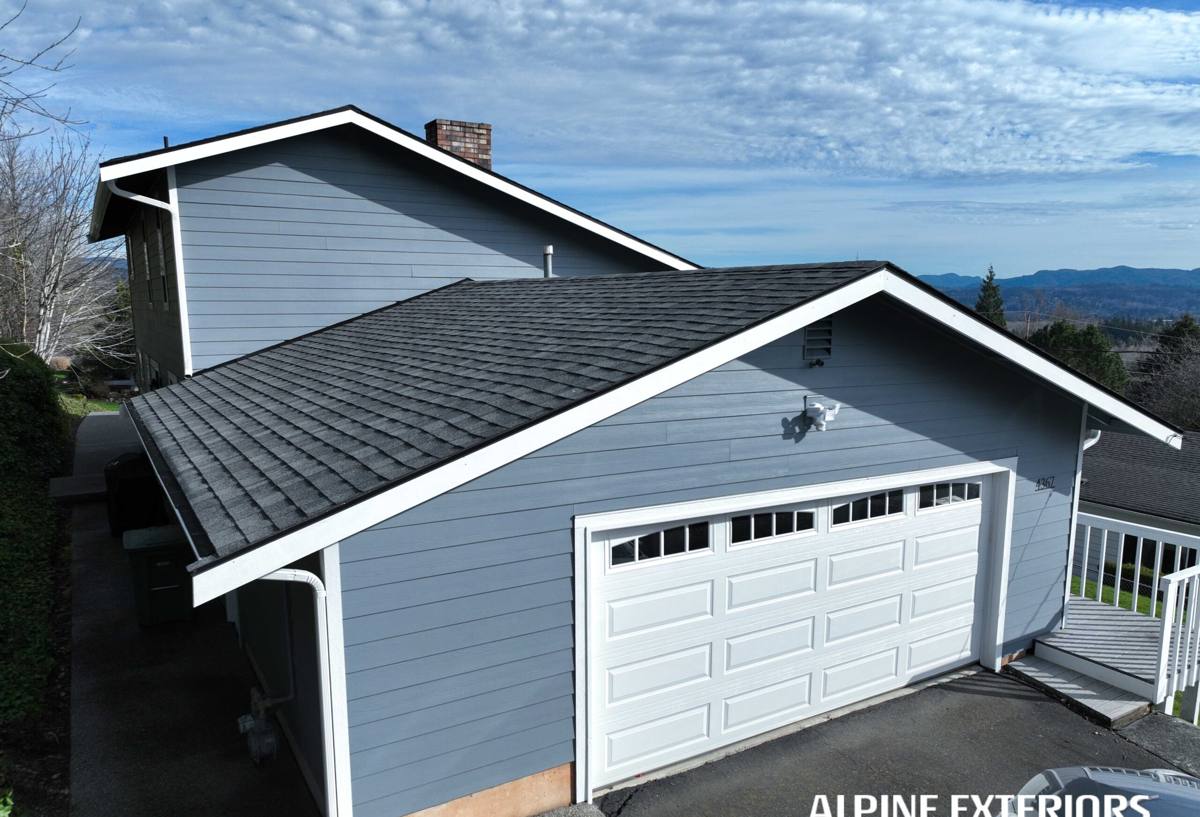
What a Coastal Whatcom County Roof Actually Needs
Salt Air and Metal Components
Salt air accelerates corrosion on exposed metal — nail heads, flashing edges, and roof vents in particular. It's a slow process, but over years it's the difference between flashing that still sheds water and flashing that's rusted through at the seams. We use fasteners and flashing rated for coastal exposure rather than whatever's cheapest at the supply house, because replacing corroded flashing under an otherwise sound shingle roof is a repair nobody wants to pay for twice.
Wind Exposure
Open water nearby means Birch Point catches wind that a more sheltered inland lot wouldn't. Shingles rated for higher wind uplift, combined with the correct nailing pattern and starter strip, are what actually keep a roof intact during a winter blow — not the shingle brand printed on the wrapper. A beautiful roof that loses shingles in the first hard windstorm was never installed correctly in the first place.
Moss, Shade, and Moisture
Whatcom County's wet, mild winters are close to ideal growing conditions for moss, and shaded, tree-lined lots near the water make it worse. Moss holds moisture against the shingle surface, works its way under tabs, and — left long enough — lifts shingles and shortens the roof's life considerably. Algae-resistant shingles and proper attic ventilation both slow this down, but nothing replaces periodically clearing growth before it takes hold.
Anatomy of a Correctly Installed Asphalt Shingle Roof
An asphalt shingle roof is a system, not just a layer of shingles nailed to plywood. Every layer underneath the shingles is doing real work, especially in a climate like this one.
- Deck inspection and repair — any soft, delaminated, or water-damaged sheathing gets replaced before anything new goes down. Shingles nailed over a bad deck will never sit or seal correctly.
- Ice and water shield at eaves and valleys — a self-adhering waterproof membrane in the areas most exposed to wind-driven rain and backed-up water, not just where code requires the minimum.
- Synthetic underlayment — a full water-resistant layer across the whole deck as backup protection if wind ever drives rain under a shingle tab.
- Drip edge and flashing — metal at every eave, rake, valley, chimney, and wall intersection, sealed and lapped correctly for water to shed outward, not just tucked in place.
- Correct nailing pattern — the right number of nails, in the right spots, driven flush (not overdriven or underdriven) — this single detail is what most affects wind performance.
- Balanced attic ventilation — intake at the eaves and exhaust at the ridge, sized to the attic, so moisture and heat don't get trapped against the underside of the deck.
- Ridge cap and starter strip — dedicated ridge and starter products rather than field shingles cut down, which seal and perform differently than they're meant to.
Choosing Shingles for a Birch Point Home
There isn't one "right" shingle for every house, but for coastal Whatcom County we steer homeowners toward products built for wind and algae resistance rather than the cheapest option on the shelf. Here's how the common categories stack up for this specific environment:
| Shingle Type | Wind Performance | Moss/Algae Resistance | Best Fit |
|---|---|---|---|
| Standard 3-tab | Lower wind rating | Standard granules only | Budget-driven projects on sheltered, low-exposure roofs |
| Architectural (laminate) | Higher wind rating, heavier profile | Available with algae-resistant granules | Most Birch Point homes — our default recommendation |
| Algae-resistant / high-wind laminate | Highest wind rating in the shingle category | Copper-infused granules resist moss and algae growth longest | Shaded, tree-covered, or highly exposed waterfront lots |
We're upfront when a lower-tier shingle isn't a good fit for a particular roof — not because the product is bad everywhere, but because a heavily shaded lot two blocks from the water needs more moss resistance than a sunny, sheltered one does. That's a judgment we make based on your specific site, not a one-size answer.
Our Process, Start to Finish
- On-site inspection and estimate — we walk the roof, check the attic for ventilation and moisture issues, and give you a written estimate with no pressure to sign that day.
- Material selection — we talk through shingle options and pricing based on your roof's exposure, shading, and how long you plan to stay in the home.
- Tear-off and deck inspection — old roofing comes off down to the deck, and any damaged sheathing is identified and repaired before new materials go down.
- Installation — underlayment, ice and water shield, flashing, shingles, and ventilation components installed in the correct sequence and to manufacturer specification.
- Cleanup and magnetic sweep — job site cleared of debris and swept for stray nails before we consider the job done.
- Final walkthrough — we go over the finished roof with you and answer any questions before we leave.
Keeping a Birch Point Roof Healthy Between Roofs
A well-installed roof still needs a bit of seasonal attention in this climate. None of it is complicated, but skipping it is how a 25-year roof turns into an 18-year roof.
- Clear gutters and valleys of needles and debris at least twice a year — clogged gutters push water back under shingles at the eaves.
- Trim back overhanging branches where practical to cut down on shade and debris that feed moss growth.
- Have visible moss or algae removed with a soft-wash method rather than a pressure washer, which can strip protective granules and shorten shingle life.
- After any significant windstorm, do a visual check (from the ground, with binoculars if needed) for lifted or missing shingles.
- Check attic ventilation isn't blocked by insulation or debris — good airflow is one of the cheapest ways to extend a roof's life here.
Signs Your Roof Needs Attention
- Granules collecting in gutters or at the base of downspouts
- Shingles curling, cupping, or losing their flat profile
- Moss visibly growing along ridges, valleys, or the north-facing slope
- Dark streaking across the shingle field (algae staining)
- Soft spots or sagging when walked on, or visible sagging from the ground
- Daylight visible through the attic roof deck, or damp insulation after storms
- Missing or displaced shingles following a windstorm
Catching any of these early is almost always cheaper than waiting — a small flashing or shingle repair now is a fraction of the cost of a full replacement after sustained water intrusion.
What Actually Drives the Cost of a Roof Replacement Here
We don't quote sight-unseen numbers because every roof is different, but these are the factors that move the price up or down on a Birch Point job:
| Factor | Effect on Cost |
|---|---|
| Roof size and pitch | Larger and steeper roofs need more material and labor time |
| Number of existing layers | Tearing off multiple old layers costs more than a single-layer tear-off |
| Decking condition | Rotted or delaminated sheathing found underneath adds repair cost |
| Shingle class chosen | Algae-resistant, high-wind laminate shingles cost more than standard 3-tab |
| Site access | Tight waterfront lots, steep driveways, or limited staging area can add labor time |
| Ventilation or flashing upgrades | Adding proper intake/exhaust venting or replacing corroded flashing adds to scope |
We walk through all of this during the estimate so you know exactly what you're paying for and why — not a single lump number with no explanation behind it.
Why a Local Blaine Crew Matters for Birch Point
A crew that already works this stretch of Whatcom County isn't guessing at how to handle salt air, coastal wind, or moss — it's factored into how we spec materials and install every roof out here. We know which details actually matter on a waterfront-adjacent lot versus a roof a few miles inland, and we're not learning that on your project. That matters when something goes wrong five years down the road too — being a short drive away instead of a call center number makes warranty and service issues far less of a hassle.
If your roof is showing wear, if you're planning ahead for a replacement, or you just want an honest read on how many years you've got left, we're glad to come take a look. Reach out for a free, no-pressure estimate using the form below.