 Blaine Siding
 Storm Damage Roof Repair Built for Blaine Harbor's Coastline
Blaine Harbor sits right where the Strait of Georgia weather meets the Whatcom County mainland, and that location shapes what happens to a roof here. Homes along the harbor take a different kind of beating than roofs even a few miles inland: salt-laden wind, sideways rain during winter storm systems, and long stretches of damp, shaded moss season that never fully lets a roof dry out. When a storm rolls through and knocks loose shingles, lifts flashing, or drives water under a ridge cap, the fix needs to account for all of that — not just patch the visible damage and move on.
This page covers what storm damage roof repair actually involves for Blaine Harbor homes specifically: what the local climate does to a roof over time, how a proper repair is diagnosed and executed, and why a crew that already works this stretch of coastline tends to catch problems a generalist misses.
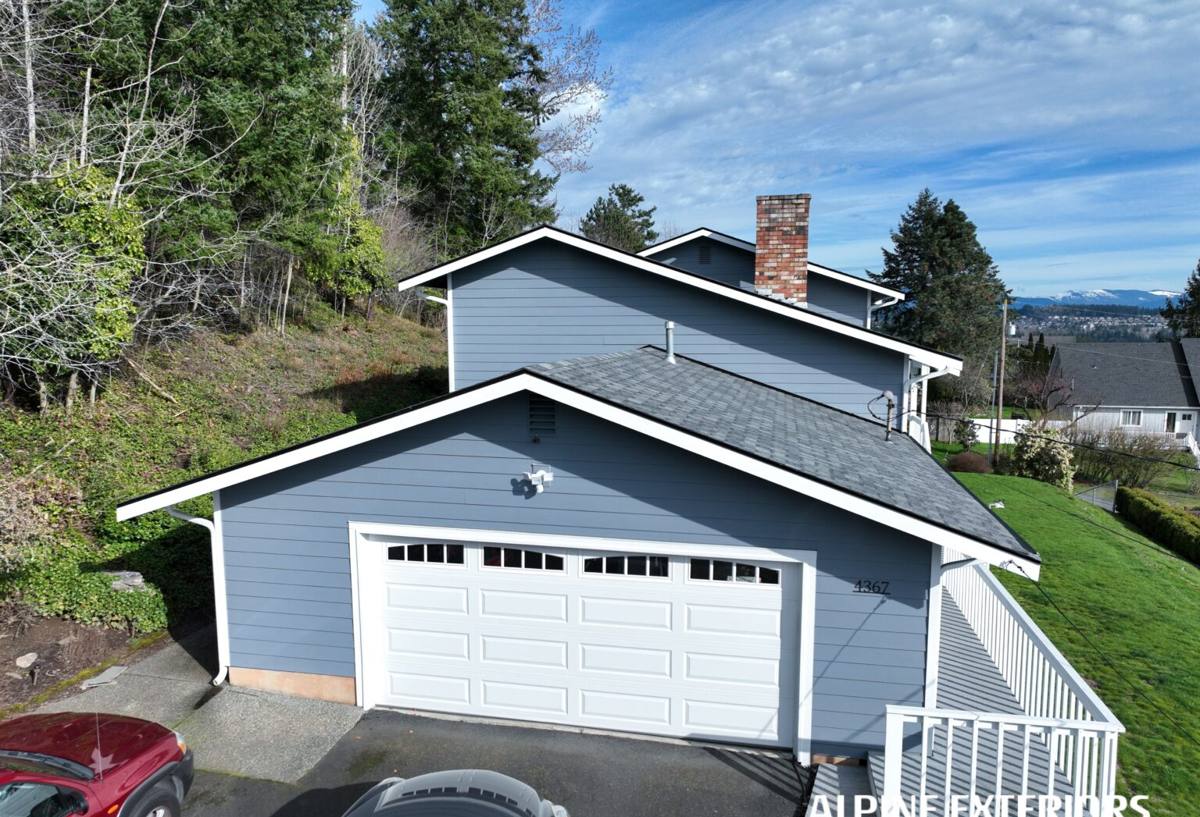
What Blaine Harbor's Climate Does to a Roof
Salt Air and Metal Fatigue
Proximity to saltwater accelerates corrosion on exposed metal — flashing, fasteners, gutter hangers, and vent boots all age faster here than they would on a roof set back from the water. A storm that pries loose a piece of flashing on an inland roof might just need it re-nailed; on a harbor-facing roof, that same flashing may already be corroded enough that it needs replacing outright, or the fasteners holding it may have weakened past the point of holding a repair.
Driving Rain and Wind-Driven Water Intrusion
Storms coming off the water tend to push rain sideways rather than straight down, which means water finds its way under shingle edges, around chimney flashing, and through any gap that a calmer rain would never reach. This is why storm repairs here often reveal moisture intrusion well beyond the spot where the damage is visible from the ground — the entry point and the water's actual path aren't always the same place.
Moss Season and Trapped Moisture
Whatcom County's long, damp shoulder seasons give moss plenty of time to establish on north-facing slopes and shaded valleys. Moss holds moisture against the roof surface, which softens shingle mat over time and gives storm winds something looser to grab onto. A roof with active moss growth is more vulnerable to storm damage in the first place, and any repair on a moss-affected roof needs to deal with the moss itself, not just the broken section.
Signs of Storm Damage Worth Checking After a Blaine Harbor Storm
- Shingles that look lifted, curled, or missing from the roof edges or ridge line
- Granules collecting in gutters or at downspout outlets after a storm
- New or worsening water stains on interior ceilings, especially near chimneys or skylights
- Flashing that looks bent, separated, or visibly rusted around vents, chimneys, or roof-wall intersections
- Gutters pulled away from the fascia or sagging under storm debris
- Soft spots or discoloration on the roof deck visible from an attic space
- Debris — branches, needles, moss clumps — sitting in valleys where water should be draining freely
Not every one of these means a full repair is needed, but any of them is worth a look before the next storm system arrives, since damage on a coastal roof tends to compound quickly once water finds a way in.
How We Assess Storm Damage
A correct repair starts with a correct diagnosis. We walk the roof (not just look at it from the ground or a ladder), because storm damage in this area is frequently worse — or in a different spot — than what's visible from below. Our assessment covers:
Surface Inspection
We check every slope for lifted, cracked, or missing shingles, paying particular attention to ridge caps and edges, which take the brunt of wind uplift in a storm.
Flashing and Penetrations
Chimneys, vents, skylights, and any place two roof planes meet get a close look, since these are the most common places for wind-driven rain to find a way in — and where salt-air corrosion tends to show up first.
Decking and Interior Check
Where accessible, we check the attic or roof deck from underneath for soft spots, staining, or daylight coming through — signs that water has already gotten past the surface layer.
Drainage Path Review
We look at how water actually moves across the roof and through the gutters, since a storm that damages one section can also disrupt drainage for the whole system, setting up a second problem if it's not addressed.
What a Correct Storm Repair Involves
Storm repair isn't one-size-fits-all. The right approach depends on how much damage occurred, how it happened, and what condition the surrounding roof is in. Generally, the work falls into a few categories:
| Damage Type | Typical Repair Approach | Local Consideration |
|---|---|---|
| Lifted or missing shingles (isolated) | Remove damaged shingles, replace with matching material, reseal properly | Match aging/weathering so the repair doesn't stand out on a salt-exposed roof |
| Damaged flashing | Replace flashing rather than re-seal over corrosion | Salt air corrodes flashing faster — patching corroded metal rarely holds |
| Water intrusion with soft decking | Remove affected roofing, replace deck sections, then re-roof that area | Common where driving rain has been getting in longer than the homeowner realized |
| Gutter or drainage damage | Reattach, reshape, or replace gutter sections and hangers | Proper drainage matters more here given how often storms bring heavy volume fast |
| Widespread multi-slope damage | Full roof assessment to determine repair vs. replacement | Older roofs already weakened by moss and salt exposure may not be worth patching further |
Matching Materials Honestly
When we replace shingles or flashing, we aim to match the existing roof as closely as possible. On an older roof, an exact match isn't always available — we'll tell you that upfront rather than pretend a mismatched patch will blend in perfectly. Sometimes the more honest recommendation is a slightly larger repair area so the patch reads as intentional rather than a visible mismatch.
Our Process for Blaine Harbor Storm Repairs
- Initial contact and scheduling. We get details on when the damage occurred and what you've noticed, and schedule an inspection promptly — storm damage that sits exposed tends to get worse with the next weather system.
- On-roof assessment. We physically inspect the affected area and the roof as a whole, since isolated damage on a coastal roof is often a signal to check nearby areas too.
- Written scope and estimate. You get a clear explanation of what's damaged, what we recommend, and why — including if we think a smaller or larger repair than what you expected is the right call.
- Repair work. We complete the agreed-upon repair, replacing corroded or compromised materials rather than covering over them.
- Follow-up check. Especially after significant water intrusion, we recommend confirming the repair is holding once the roof has been through another rain event.
Insurance Documentation
If your storm damage may be covered by homeowner's insurance, we can document the damage with photos and a written assessment that supports your claim. We're not adjusters and don't promise a claim outcome, but a clear, honest record of the damage helps the process move faster.
Cost Factors for Storm Damage Repair
Costs for storm repair vary widely depending on scope, so we don't quote broad numbers without seeing the roof. That said, a few factors consistently drive the price up or down:
- How much of the roof is affected — an isolated section versus multiple slopes
- Whether the decking underneath needs replacement, not just the roofing surface
- The condition of the flashing and whether corrosion means replacement rather than repair
- Roof access and pitch, which affect labor time
- Material availability for matching an existing roof, especially on older homes
We'll walk through these factors specifically for your roof during the estimate, so you know what's driving the cost rather than getting a number with no explanation behind it.
Why Local Storm Repair Experience Matters in Blaine Harbor
A roof crew that mostly works inland jobs isn't necessarily used to diagnosing salt-air corrosion on flashing, or recognizing how moss buildup on a shaded, damp slope changes a roof's vulnerability to wind. Working Blaine Harbor regularly means we've seen how storms actually behave on this stretch of coastline — which slopes tend to take the worst of a wind-driven rain event, and which materials hold up versus which ones need extra attention sooner than the manufacturer's typical timeline would suggest. That local pattern recognition is part of what keeps a storm repair from becoming a repeat call after the next system rolls through.
Preventing the Next Storm From Doing the Same Damage
Once a repair is done, a few maintenance habits go a long way in this climate:
- Keep gutters and downspouts clear so storm volume has somewhere to go
- Address moss growth before it spreads across a full slope
- Have flashing checked periodically, since salt-air corrosion progresses even without a storm event
- Trim back branches that could come down on the roof during high wind
If a recent storm has left your Blaine Harbor roof with missing shingles, water stains, or damage you're not sure how serious it is, we're glad to take a look. We offer free, no-pressure estimates — just fill out the form below and we'll get back to you with an honest assessment of what's needed.