 Blaine Siding
 Why Metal Roofing Makes Sense for California Creek Homes
Homes in the California Creek area sit close enough to the water and the open weather patterns off the Strait of Georgia that roofing decisions here carry more weight than they do a few miles inland. A roof that would perform fine in a drier, more sheltered part of Whatcom County can start showing problems years early once it's exposed to salt-laden air, sideways rain, and the long, damp moss season that defines a Pacific Northwest coastal winter. Metal roofing, installed correctly, is one of the few systems built to shrug off all three of those conditions at once. This page is about what that actually means for a California Creek roof — not metal roofing in general, but metal roofing done right for this specific spot on the map.
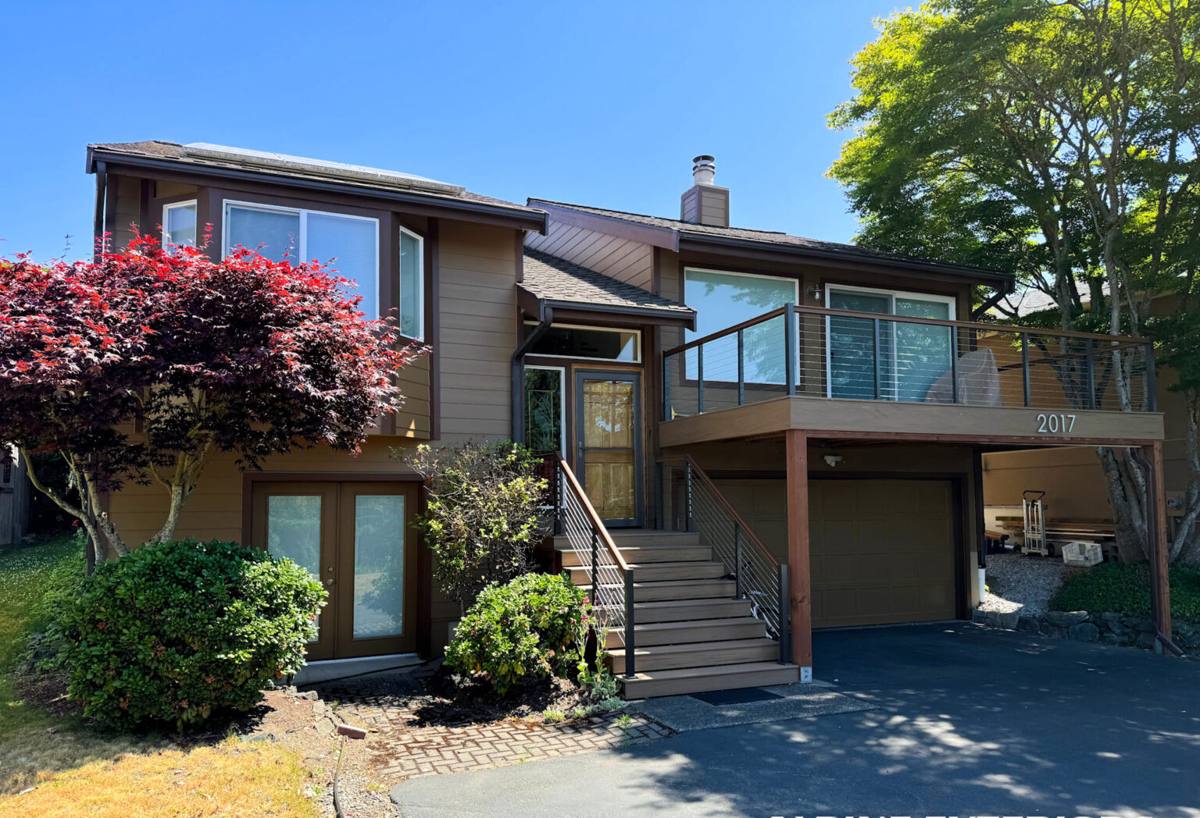
What Blaine's Climate Does to a Roof Over Time
Every material on your roof is fighting a slow, ongoing battle against three things here: salt, water, and organic growth. Understanding how each one works is the first step in understanding why the details of a metal roof installation matter so much in this neighborhood.
Salt Air and Corrosion
Proximity to saltwater means airborne salt settles on every exterior surface, including your roof. On metal roofing, this isn't cosmetic — it's a corrosion risk if the panel's coating, fasteners, or cut edges aren't properly protected. Bare or poorly finished edges, exposed fastener heads, and mismatched metals (like the wrong screws on the wrong panel) are where salt-driven corrosion starts. A roof designed for an inland climate and simply installed here, without adjusting for that exposure, will age faster than it should.
Driving Rain and Wind-Driven Water
Rain in this part of Whatcom County rarely falls straight down. Wind off the water pushes it sideways and up under laps, flashing, and trim that would stay dry in a calmer climate. That means water management on a California Creek roof has to work in more directions than "down." Underlayment choice, flashing detail, and panel overlap all need to account for wind-driven rain, not just gravity.
Moss Season
Moss doesn't just grow on shingles — it finds a foothold anywhere organic debris and moisture sit long enough, including in valleys, around penetrations, and along panel seams on a metal roof if debris is allowed to accumulate. A long, wet moss season means more months of the year where a roof surface stays damp, which is exactly the condition moss and lichen need to establish. Metal sheds this far better than shingles, but it isn't immune, especially at trim, flashing, and any horizontal surface where debris can collect.
Metal Panel Options and What We Recommend
Not all metal roofing is the same product wearing different colors. The panel style and fastening method make a real difference in how a roof holds up to salt air and driving rain over time.
| Panel Type | Fastener Exposure | Salt Air / Moisture Performance | Best Fit |
|---|---|---|---|
| Standing seam (concealed fastener) | Fasteners hidden under interlocking seams | Strong — no exposed fastener heads for salt to attack | Homes with direct exposure to wind and salt air, including most of California Creek |
| Exposed-fastener panel | Screws penetrate the panel face | Moderate — depends on gasket quality and re-torquing over time | Lower-exposure roof planes, outbuildings, budget-driven projects |
| Stone-coated steel | Concealed, similar to standing seam | Good, with an added wear layer over the metal | Homeowners who want a shingle or shake profile with metal's durability |
For most California Creek homes, we lean toward standing seam because concealed fasteners remove the single biggest long-term weak point in a metal roof's salt-air performance. That's a professional judgment call based on what holds up here, not a claim that exposed-fastener panels are unusable everywhere — they have their place on lower-exposure structures where cost is the priority.
What a Correct Metal Roof Installation Actually Involves
The panels themselves get most of the attention, but they're not what actually keeps water out. The layers and details underneath are.
Underlayment and Ice-and-Water Protection
A synthetic, high-temperature underlayment goes down first, with self-adhering ice-and-water membrane at eaves, valleys, and any low-slope transition where wind-driven rain is most likely to work its way backward under a lap. This is the layer that saves a roof when — not if — wind pushes water somewhere it "shouldn't" go.
Fastening and Thermal Movement
Metal panels expand and contract with temperature swings, and standing seam systems use clips that allow the panel to move without tearing loose fasteners or stressing seams. Fastening a panel too rigidly, or using the wrong fastener spacing, is a common shortcut that shows up as oil-canning, loosened seams, or leaks years later.
Flashing and Penetrations
Every chimney, vent pipe, skylight, and wall transition is a potential entry point for water. Custom-fabricated flashing, cut and formed to the actual roof geometry rather than a generic stock piece, is what separates a roof that stays dry for decades from one that develops slow leaks at every penetration.
Ventilation
A well-ventilated attic keeps moisture from condensing on the underside of the roof deck, which matters even more in a climate this damp. Poor ventilation can cause problems that look like a roofing leak but are actually condensation — a mistake that leads homeowners to replace a roof that was never the real issue.
Our Process, Start to Finish
- On-site inspection. We look at your existing roof, decking condition, ventilation, and exposure — including how much direct wind and salt air your specific roof faces.
- Honest estimate. You get a clear breakdown of panel type, underlayment, flashing scope, and price — no pressure, no inflated urgency.
- Tear-off and deck prep. Old roofing comes off, the deck gets inspected for rot or soft spots, and any damaged sheathing is replaced before anything new goes down.
- Underlayment and flashing installation. This is where the real weatherproofing happens, well before a single metal panel is set.
- Panel installation. Panels are installed to the fastening and clip spacing the manufacturer and the climate require — not rushed to hit a deadline.
- Final walkthrough. We go over the finished roof with you, point out anything you should keep an eye on, and answer questions before we consider the job done.
Keeping a California Creek Roof Performing Long-Term
Metal roofing is low-maintenance compared to shingles, but "low-maintenance" isn't "no-maintenance," especially with a moss season this long. A few simple habits go a long way toward protecting the investment.
- Clear debris from valleys and around penetrations before the wet season sets in, since trapped organic material is what gives moss a place to start.
- Check gutters and downspouts for buildup — clogged gutters push water back up under eave flashing during heavy, wind-driven rain.
- Have seams, flashing, and fastener points looked at periodically rather than waiting for a visible leak, since metal roofing problems are usually easier to catch early than to catch late.
- Avoid pressure washing the roof surface — it can drive water under laps and damage coatings; a soft brush or low-pressure rinse is safer.
- Trim back overhanging branches where practical, since falling debris and shade both contribute to moss and lichen growth.
What Metal Roofing Costs to Expect
We won't quote a number here that isn't tied to your actual roof, but the general cost pattern is worth knowing going in. Metal roofing generally runs somewhere between one-and-a-half and three times the upfront cost of a comparable asphalt shingle roof, depending on panel type, roof complexity, and the amount of custom flashing work involved. Standing seam typically costs more than exposed-fastener panel systems because of the labor and material involved in the concealed-fastener detailing. The trade-off is a roof that, properly installed and maintained, is expected to outlast asphalt by a wide margin and require far less attention along the way — which matters in a climate that's hard on every other roofing material.
The variables that move a metal roofing estimate the most are roof pitch and complexity, the number of penetrations and transitions, whether the existing deck needs repair, and panel/coating choice. A simple, accessible roof plane will always cost less to convert than one with multiple valleys, dormers, and chimneys.
Why Hire a Crew That Already Works in California Creek
Roofing crews who mostly work inland or in drier climates don't always adjust their defaults for wind-driven rain and salt exposure — because most of the time, they don't have to. A crew that regularly works this stretch of Whatcom County knows to spec concealed-fastener systems where exposure calls for it, to detail flashing for sideways rain instead of just vertical runoff, and to plan installation timing around the wet season rather than fighting it. That local pattern-recognition is the difference between a roof that's technically installed to code and one that's actually built for where it sits.
If you're weighing metal roofing for a California Creek home, we're happy to take a look and walk you through what your specific roof needs — no pressure, no obligation. Reach out using the form below for a free estimate.