 Blaine Siding
 Building a Deck That Actually Holds Up in Sandy Point
Sandy Point sits close enough to the water that every deck built out here is fighting a different fight than a deck built inland. Salt-laden air, wind-driven rain that gets under railings and flashing at angles most builders never plan for, and a wet season that turns any shaded or north-facing surface into a moss farm by midwinter. A deck that would be perfectly fine in a dry inland Whatcom County neighborhood can start showing corrosion streaks, soft spots, or slick green growth within a couple of seasons out here if it wasn't built with this specific exposure in mind.
This page is about deck building for Sandy Point specifically — not a generic overview of decks in general. If you're comparing quotes or trying to understand what "doing it right" actually means for a deck at this location, this is what we look at before we ever cut a board.
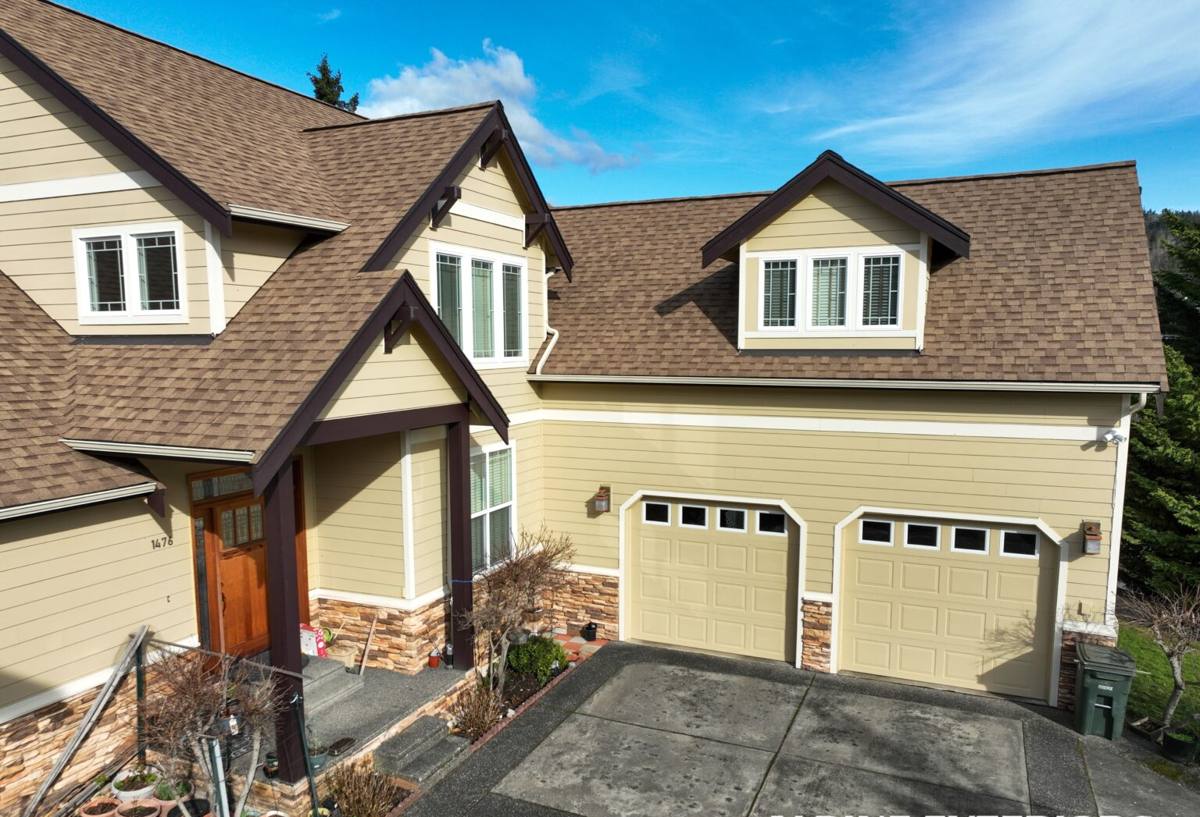
What the Sandy Point Climate Does to a Deck Over Time
Three things drive almost every deck problem we see in this area, and they compound each other.
Salt Air
Airborne salt doesn't need direct wave contact to do damage. It travels on the wind and settles on every exposed surface — railings, fasteners, connectors, even the underside of the deck boards. Over time it accelerates corrosion on anything that isn't rated for coastal exposure, and it can pit standard hardware years before it would fail elsewhere in the county.
Driving Rain
Rain here doesn't fall straight down for much of the year — it comes in sideways off the water. That means water gets pushed into joints, under rail caps, behind ledger boards, and into fastener holes that a builder working to "average rainfall" specs wouldn't account for. The failure points on a poorly built deck are almost always where water was assumed to run off but instead got driven in.
A Long Moss Season
Between the marine moisture and the shorter winter daylight, moss and algae have a long runway to establish themselves on any deck surface that doesn't drain and dry quickly. Left alone, moss holds moisture against the decking material, which speeds up rot in wood and can dull or stain even low-maintenance composite surfaces.
None of this means a deck can't last out here — it means the build has to account for all three from the start, not patch around them later.
Choosing the Right Decking Material for This Location
There's no single "best" decking material for every home — it depends on budget, how much upkeep you want to take on, and how exposed the deck is to wind and salt spray. Here's how the common options stack up specifically for a Sandy Point property.
| Material | How It Handles This Climate | Maintenance | Typical Lifespan Here |
|---|---|---|---|
| Pressure-treated wood | Affordable, but needs consistent sealing to resist moisture intrusion and moss; end grain and fastener holes are the weak points | Annual cleaning and re-sealing recommended | 10-15 years with upkeep |
| Cedar | Naturally moisture- and insect-resistant, ages to a silver-gray patina, but still benefits from periodic cleaning to slow moss growth | Periodic oiling/staining if you want to hold the original color | 15-20 years with care |
| Composite decking | Resists rot and doesn't absorb moisture like wood, but surface texture and drainage detailing still matter for moss and algae resistance | Periodic washing; no sealing/staining required | 25+ years, varies by brand |
| PVC decking | Fully synthetic, very low moisture absorption, good option for high-spray exposure areas | Occasional washing | 25+ years, varies by brand |
We'll walk you through these trade-offs honestly based on your budget and how much maintenance you actually want to do — there's no one "right" answer for every Sandy Point home.
What's Underneath Matters More Than What's on Top
A beautiful deck surface over a poorly built structure is a problem waiting to happen, and it's the part homeowners can't see and often aren't shown. For a deck in this exposure, we pay particular attention to:
Ledger Attachment and Flashing
Where the deck attaches to the house is the single most common source of hidden water damage on any deck, anywhere. In a driving-rain environment like Sandy Point, correct flashing at this connection isn't optional — it's the difference between a deck that lasts decades and one that quietly rots the house framing behind it.
Footings and Post Bases
Footings need to be sized and set to local frost and soil conditions, and post bases should keep wood off standing water and away from splashback. Post bases and connectors here should be rated for coastal or wet-exposure use, not the standard-grade hardware that's fine further inland.
Joist Spacing and Species
Tighter joist spacing than the bare minimum code allows gives the deck surface a stiffer, longer-lasting base and reduces bounce and long-term sagging — especially important with composite decking, which has its own manufacturer-specified span requirements that differ from wood.
Fasteners, Railings, and the Small Parts That Fail First
On a coastal-adjacent build, hardware quality is not a place to cut costs. Standard galvanized fasteners can start showing corrosion within a few years in salt air; stainless steel or coated fasteners rated for coastal/marine exposure cost more up front but avoid the streaking, staining, and eventual fastener failure that shows up on decks built with standard hardware.
Railings deserve the same attention. Wherever a railing post meets the deck frame, or a rail cap meets a baluster, there's a joint that water wants to get into. Detailing those joints correctly — proper caulking where appropriate, correct fastener placement, drainage gaps where needed — is a small extra step during construction that prevents a much bigger repair five years down the road.
Our Deck Building Process for Sandy Point Homes
- On-site assessment — we look at sun/shade exposure, wind direction, drainage slope, and how close the build site is to salt spray to inform material and hardware recommendations.
- Design and material selection — we go over decking material, railing style, and layout options with honest pros and cons for your specific site and budget.
- Permitting — we handle the permit process with Whatcom County so you don't have to track it down yourself.
- Structural build — footings, framing, ledger flashing, and connections built to coastal-exposure standards, not just code minimums.
- Decking and railing installation — surface material and railing system installed with attention to drainage and joint detailing.
- Final walkthrough — we go over care and maintenance specific to your material choice before we consider the job done.
Living With a Deck in a Long Moss Season
Even a well-built deck needs some seasonal attention out here. A little planning goes a long way toward keeping a Sandy Point deck looking and performing the way it should:
- Sweep debris and standing organic matter (leaves, needles) off the deck regularly — it holds moisture and feeds moss growth
- Rinse or wash the surface periodically, especially shaded areas that don't dry out quickly
- Check and clear gaps between boards so water can drain instead of pooling
- Inspect railing joints and fastener heads yearly for early signs of corrosion or loosening
- Re-seal or re-stain wood decking on the schedule recommended for your species — don't wait until it looks obviously weathered
- Trim back nearby vegetation that's shading the deck and keeping it damp longer than it needs to be
Why It Matters to Hire a Crew That Already Works Sandy Point
A contractor who mostly builds decks inland, away from the water, is working from a different set of assumptions — about hardware grade, flashing detail, drainage, and how much upkeep a homeowner should expect to do. Those assumptions don't hold up in a neighborhood dealing with salt air and driving rain on a regular basis.
We build decks throughout the Blaine area and Whatcom County, and Sandy Point's exposure is something we plan for from the first conversation, not something we discover after a callback. That means fewer surprises for you a few years in — no early hardware corrosion, no ledger rot behind the siding, no deck surface that's slick with moss every winter because drainage wasn't thought through.
Get a Free, No-Pressure Estimate
If you're planning a new deck or replacing one that hasn't held up to Sandy Point's weather, we're happy to come take a look and talk through honest options for your home and budget. Fill out the form below to get a free estimate — no pressure, no obligation.