 Blaine Siding
 Window Replacement Built for Whatcom County's Wet Side
Lynden sits inland from the coast, but that doesn't mean the weather goes easy on your windows. Whatcom County's marine-influenced climate pushes moist air across the whole region for months at a time, and homes here spend a good part of the year sitting under grey skies with steady, driving rain. Add in the long moss season that coats north-facing trim and rooflines from fall through spring, and you've got a climate that finds every weak point in a window installation — not just the glass, but the flashing, the sealant, and the framing behind it.
We've replaced windows on homes across Whatcom County, from properties closer to the Salish Sea that deal with salt-laden air to inland Lynden homes that see less direct salt exposure but the same relentless rain and humidity. The lesson is consistent everywhere we work: a window replacement is only as good as the moisture management built into the install. Get that part right and the window itself becomes the easy part.
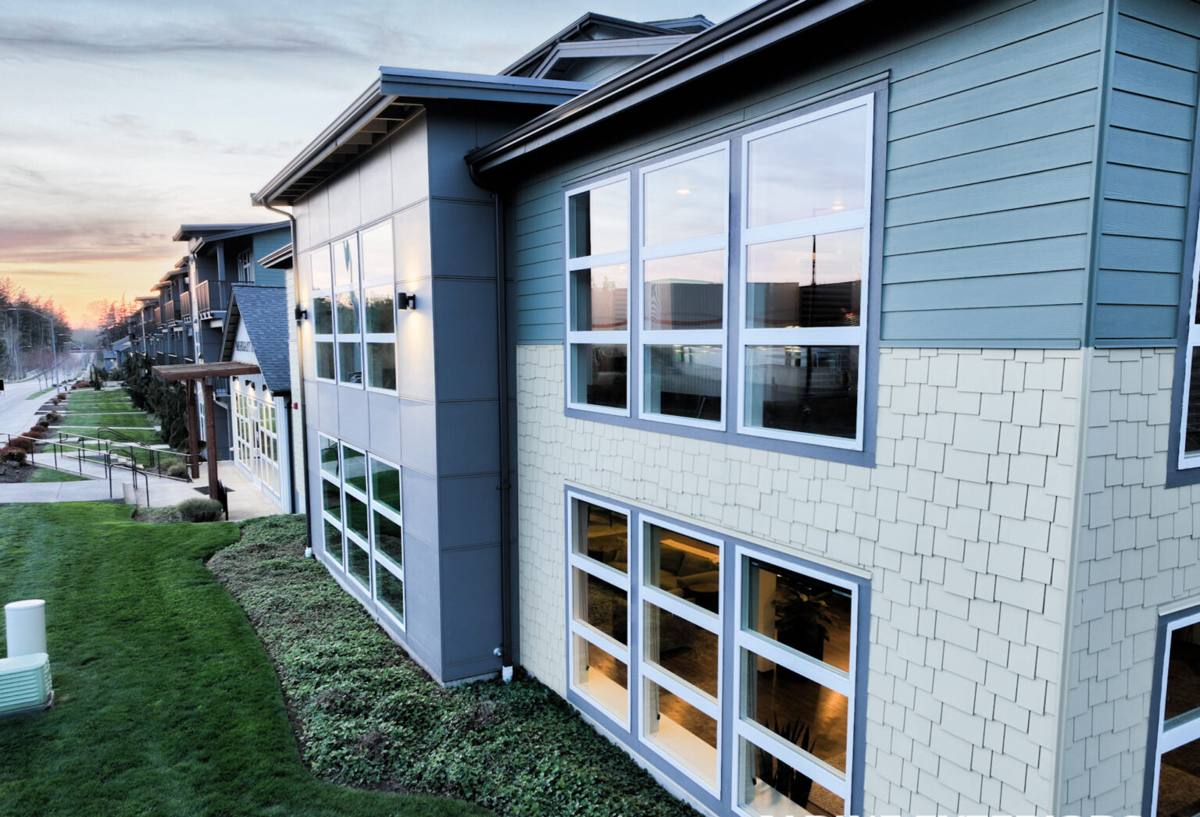
Signs Your Lynden Home Is Ready for New Windows
Most homeowners don't wake up one day and decide to replace windows — something tips them off first. Here's what we hear most often from Lynden homeowners before they call us:
- Fogging or a milky haze between the panes, which means the seal on a double-pane unit has failed and the gas fill (or plain air) has been compromised
- Windows that are difficult to open, close, or lock — often a sign the frame has swelled, warped, or shifted
- Visible rot, soft wood, or paint that keeps bubbling and peeling around the frame or sill
- A noticeable draft near the window even when it's fully latched
- Condensation forming on the inside of the glass regularly, which can point to poor insulation value or ventilation issues
- Rising heating bills that don't match up with any other change in the home
- Visible daylight or gaps around the frame when you look closely from outside
Any one of these on its own might just need a repair. Several of them together, especially on windows original to the house, usually mean it's time to talk about replacement.
What a Correct Window Replacement Job Involves
Swapping in a new window is easy to describe and easy to get wrong. The difference between a window that performs for twenty-plus years and one that leaks within a few seasons almost always comes down to details most homeowners never see once the trim goes back on.
Removal and Opening Inspection
We don't just pull the old sash and drop a new unit in the same hole. Once the old window is out, we inspect the rough opening for rot, moisture staining, or damaged sheathing. This is often the first real look anyone has had at that part of the wall in decades, and on older Lynden homes it's not unusual to find some degree of hidden water damage that needs to be addressed before a new window goes in.
Flashing and Moisture Barrier
This is the step that matters most in our climate. Proper flashing directs any water that gets behind the siding down and out, away from the framing, instead of letting it pool at the sill. We integrate the window flashing with the existing weather-resistive barrier using a shingled, lapped approach so water always sheds downward and outward — never trapped behind the new window.
Insulation and Air Sealing
The gap between the window frame and the rough opening needs to be filled with a low-expansion foam or backer rod and sealant, not stuffed with fiberglass batting that can settle or wick moisture. Done right, this step is what actually stops the draft you feel standing next to an old window.
Trim and Finish Work
Interior and exterior trim gets reinstalled or replaced, caulked at the right joints (and left open at others so water can escape rather than get trapped), and painted or finished to match the rest of the home. Small details, like leaving weep holes clear, keep the whole system working the way it's designed to.
Choosing the Right Window for a Lynden Home
There's no single "best" window for every house — the right choice depends on your home's exposure, your budget, and how much upkeep you want to take on. Here's how the common frame materials stack up for a wet Pacific Northwest climate:
| Frame Material | Moisture Performance | Maintenance | Typical Fit |
|---|---|---|---|
| Vinyl | Good — won't rot, resists moisture well | Low — occasional cleaning | Most Lynden homes, strong value |
| Fiberglass | Excellent — very stable through wet/dry cycles | Low | Homes wanting higher durability, paints well |
| Wood (clad exterior) | Good if maintained — cladding protects the wood core | Higher — interior wood may need periodic attention | Older or historic-style homes where wood interior trim matters |
| Aluminum | Poor for this climate — conducts cold, prone to condensation | Moderate | Generally not what we recommend for Whatcom County homes |
We steer most Lynden homeowners toward vinyl or fiberglass frames for exterior durability, paired with an insulated glass package suited to our climate zone. That doesn't rule out wood-clad windows — some homes call for them — but we're upfront about the added maintenance a wood interior brings in a county that stays damp for a good chunk of the year.
Glass Packages That Actually Matter Here
Not all "double-pane" windows perform the same. A few features are worth understanding before you compare quotes:
- Low-E coating — a microscopically thin coating that reflects heat while letting light through, helping with both winter heat loss and summer heat gain
- Argon or krypton gas fill — inert gas between the panes that insulates better than plain air
- Warm-edge spacers — the material separating the panes at the glass edge, which affects how much cold transfers to the frame and how well the seal holds up over time
- Triple-pane glass — an added third pane that improves insulation and sound dampening, worth considering on north-facing walls or rooms near a busy road
For most Lynden homes, a quality double-pane, Low-E, argon-filled window is a solid, cost-effective choice. Triple-pane makes the most sense in specific rooms or for homeowners prioritizing energy performance over the added upfront cost.
Our Window Replacement Process
- On-site assessment — we walk the exterior and interior of each window opening, checking for rot, drafts, and how the existing installation was flashed
- Straightforward quote — a written estimate that spells out window specs, install method, and total cost, with no vague allowances
- Scheduling around the weather — we plan installs to avoid leaving openings exposed during a stretch of heavy rain whenever possible
- Removal and opening repair — old windows come out, hidden damage gets addressed, and the opening is prepped correctly before anything new goes in
- Installation, flashing, and sealing — the new window goes in plumb, level, and square, with flashing and air sealing done to hold up to our wet season, not just pass a quick visual check
- Trim, cleanup, and walkthrough — finish work is completed and we walk the job with you before calling it done
Cost Factors for Window Replacement in Lynden
Every home is different, so we don't quote by the window without seeing the job, but a few factors consistently move the price:
| Factor | How It Affects Cost |
|---|---|
| Frame material | Vinyl is typically the most budget-friendly; fiberglass and wood-clad run higher |
| Window size and style | Larger openings, bay windows, and custom shapes cost more than standard double-hung or sliding units |
| Condition of the opening | Hidden rot or framing damage found during removal adds labor and material to fix properly |
| Full-frame vs. insert replacement | Insert (pocket) replacement is generally less expensive; full-frame costs more but is sometimes the only correct option when the existing frame is compromised |
| Number of windows | Replacing an entire home's windows at once typically brings a better per-window cost than doing them one at a time |
We'll always tell you honestly whether your home needs full-frame replacement or can get a quality result with an insert window — the cheaper option isn't always the right one if the existing frame has moisture damage behind it.
Why Hire a Crew That Already Works in Lynden and Whatcom County
Window replacement done wrong doesn't usually fail on day one — it fails two or three winters later, when water that got behind the flashing finally works its way into the wall. A crew that's worked plenty of jobs across Whatcom County knows how local wind-driven rain behaves against typical wall assemblies here, what permitting looks like in Lynden and the surrounding county, and how to sequence a job so an opening isn't left exposed during a soggy stretch of weather.
We're a Blaine-based crew that treats every Lynden job like it has to hold up to the same weather we deal with at home — because it does. That means flashing details that actually shed water, honest conversations about what your home's specific openings need, and workmanship we're willing to stand behind.
Maintaining Your New Windows Through the PNW Seasons
A correctly installed window still benefits from a little seasonal attention:
- Clear debris and moss buildup from window sills and nearby trim before it holds moisture against the surface
- Check and clean weep holes on the exterior of the frame so water can drain out as designed
- Inspect exterior caulking annually and touch up any joints that have cracked or pulled away
- Operate locks and hardware a few times through the winter to keep mechanisms from sticking
- Wipe down interior sills if condensation collects during cold snaps, and run a bathroom or kitchen fan longer if it's a recurring issue
None of this is complicated, but it's the kind of light upkeep that keeps a properly installed window performing for decades instead of just years.
If your Lynden home has windows that are drafty, foggy, hard to operate, or just original to a house that's due for an upgrade, we're happy to take a look. Fill out the form below for a free, no-pressure estimate — we'll walk your windows with you and give you an honest read on what your home actually needs.